
Shisha buyer guide · Article 179
Shisha Charcoal Loading Photo and Seal Checklist
Plan a traceable sequence from empty-container inspection to final closure. Connect loading stages, carton marks and count checks to the order, date, container and seal, while keeping buyer information under controlled access.
01 · Evidence brief and responsibilities
Agree the photo sequence before loading starts.
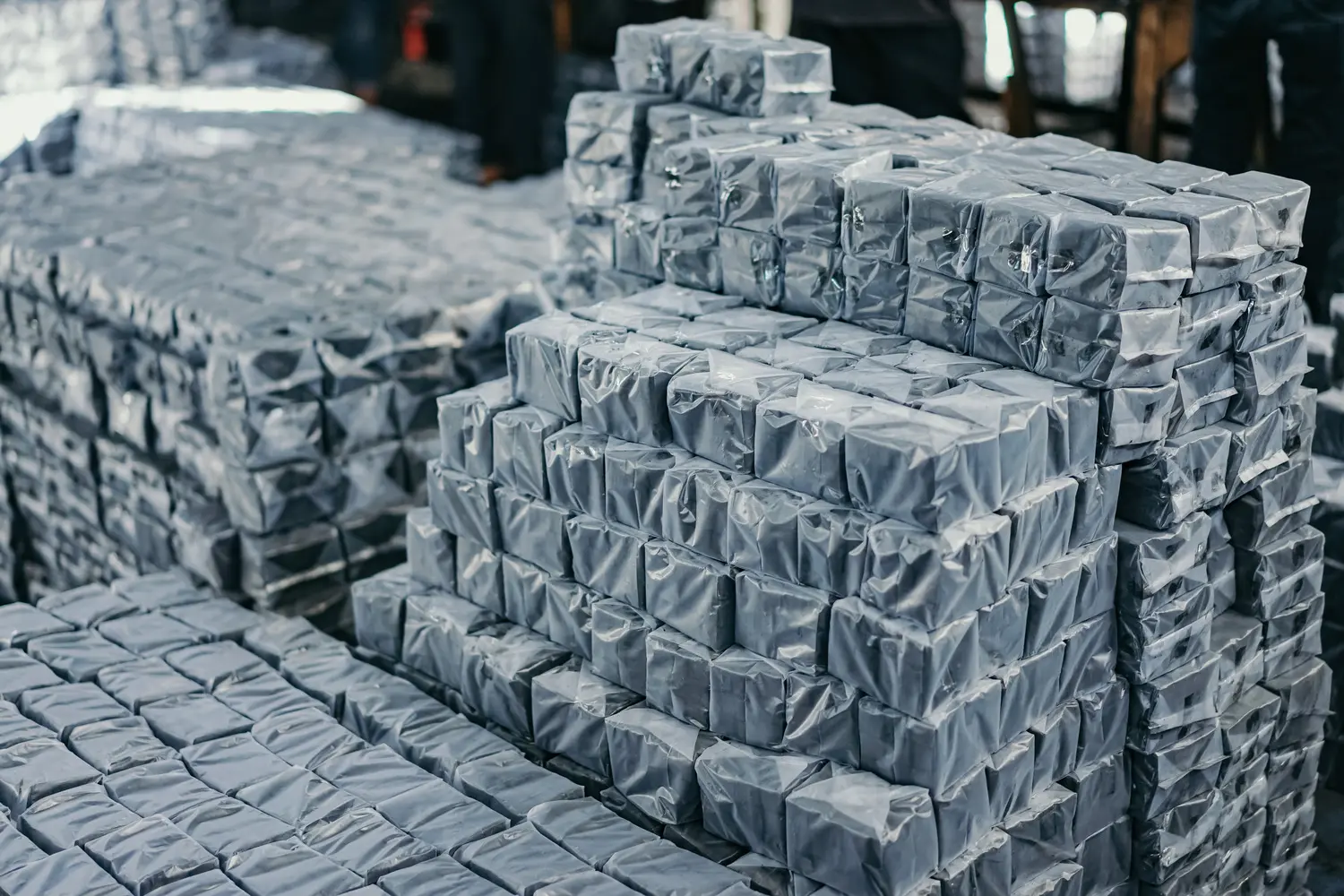
A shisha charcoal loading photo seal checklist should connect the physical load to its order, date, container and final records. Agree who captures the evidence, who checks it and which carrier, surveyor or buyer instructions apply before the first carton enters. Missing a concealed stage cannot always be corrected after closure.
Identify the PO or order reference, booking where available, product and pack revision, loading location, date, time zone and photographer or surveyor. Keep a separate evidence set for each container. Assign a reviewer to resolve missing, unreadable or inconsistent records before the affected release decision.
Plan photography around the approved safe loading procedure. Do not enter an unsafe area, interrupt equipment movements, remove securing or reopen a load simply to improve a picture. Obtain direction from the responsible trained team.
02 · Empty container and installed controls
Show the condition before cargo conceals it.
Capture a clear container-identity image and context views of the accessible empty interior under the agreed inspection procedure. Include relevant floor, wall, roof and door-area observations, with close-ups of findings. Link any rejected or replacement unit to the inspection decision.
Photograph the agreed liner, barrier, desiccant or carrier-required system at the stages needed to show identity, installation and relevant closure before it becomes hidden. Use the actual approved instructions; a visible bag or sheet alone does not demonstrate correct selection or installation.
Keep images connected to the inspection and control records. Photos do not measure product moisture, certify structural integrity or establish that the unit will remain dry throughout the journey. Record what the reviewer actually checked and any unresolved finding.
03 · First rows, mid-load and carton marks
Make the sequence explain what entered the container.
Record the first rows and relevant later stages from safe agreed positions. Use context views to locate the stage and closer views for the approved pack, carton marks and lot or SKU references. Choose stages that explain the actual arrangement rather than an arbitrary number of attractive photographs.
For mixed SKUs or lots, link the images to the recorded position or loading sequence and tally. Retain evidence of rejected, removed or substituted packs and the corresponding count correction. Do not use a photograph of one SKU as evidence for an unshown portion of the shipment.
Use clear, readable originals. Review the view for identity and purpose while the stage remains accessible. If a required mark is unreadable, record the issue and arrange a safe corrective capture under the responsible team’s direction. Do not edit the mark or replace it with a typed version and present that as the original evidence.
04 · Count checks and final rows
Reconcile photographs with a separate tally.
Photograph agreed count checkpoints and the final accessible arrangement, including relevant securing or control completion. Link each image to the stage and quantity record it supports. Keep the final loading plan, actual tally and evidence index together.
A photograph rarely shows every carton or all hidden layers. Do not infer the final quantity solely from a front-facing row. Reconcile the actual tally by SKU and lot with the final packing-list revision and record removals, substitutions or discrepancies.
Have the responsible reviewer check the accepted scope, open findings and required survey records before closure or dispatch as applicable. A full-looking container is not proof of a safe arrangement, correct quantity, product quality or carrier acceptance.
05 · Closed doors, seal and container number
Connect closure details to the identified load.
Follow the applicable closure and sealing procedure through authorized personnel. Capture the required door-stage views, a context view linking the closed unit to its container number, and a clear close-up of the installed seal and readable seal number. Keep the records connected rather than relying on an isolated seal close-up.
Record the actual seal number in the shipment record and reconcile it with the relevant packing, survey and transport particulars at their issue stage. Do not copy a planned seal number when a different seal was actually fitted.
If authorized inspection or another event requires reopening or resealing, record the authority, time, reason and old and new seal references. Preserve the original closure history and circulate the updated information to the responsible parties. Do not conceal the event by replacing the earlier photographs.
A seal photograph records an observation at a point in time. It does not prove uninterrupted custody, absence of tampering, the contents behind the doors or a damage-free arrival. Use it with the authorized handover and receiving records.
06 · File index and confidentiality
Preserve originals and control the copies you share.
Use an evidence index with order reference, container, stage, date/time basis, file identifier, brief description and reviewer status. For example, an invented file label such as ORDERREF_CONTAINERREF_20261017_MIDLOAD_01 can organize the set; the filename itself does not prove capture time or authenticity.
Retain original-resolution files and any available original metadata under controlled access. Note whether a date came from the capture record, a visible required watermark or a later index entry. Follow actual carrier or surveyor requirements for timestamps and geolocation rather than assuming every phone image meets them.
Give unredacted evidence only to authorized shipment reviewers through the agreed channel. For public use, obtain permission and create a separate redacted copy covering buyer branding, sensitive marks, PO details, personal information and other confidential shipment data as needed.
Keep public copies distinguishable from the original evidence. Never use a redacted marketing image in place of the unaltered file a carrier, broker, surveyor or insurer requires. An existing Unimax website photo is context, not proof of the shipment being reviewed.
07 · Carrier scope and arrival handover
A buyer photo pack does not replace required approval.
Check current requirements with the actual carrier, appointed broker and insurer or intermediary, using the relevant official and shipment-specific instructions. The CTU Code provides packing and receiving guidance; this buyer checklist is not a legal or customs procedure.
As one carrier-specific example, the charcoal advisory linked from Maersk’s Indonesia export page calls for vanning evidence including loading, thermal-camera temperature images, the vacuumed thermal jacket and specified door/seal views, through its nominated-surveyor process. Obtain the current complete instructions. This guide does not reproduce every requirement or establish Unimax carrier approval.
Give the destination team the accepted evidence index, relevant original files, final tally, packing-list revision, container and seal references. Agree how to record condition and discrepancies at arrival before repacking or distribution where safe. Follow the actual notification deadlines and preserve required evidence.
Public official, carrier and insurance-related sources were reviewed on 17 October 2026. General cargo-insurance information does not establish cover or acceptance of a claim. Confirm the current arrangement and evidence requirements before production and dispatch.
Sources: IMO: CTU Code guidance · Maersk: Current Indonesia export and charcoal procedures · Livingston: General cargo-insurance overview
Buyer tool
Loading photo and seal evidence checklist
Record the PO/order ___; container ___; loading date and time zone ___; photographer/surveyor ___; final packing-list revision ___; actual seal ___; reviewer/date ___. For each row, add file references, findings and a clear review status.
| Evidence stage | Useful views or records | Connection to verify |
|---|---|---|
| Identity and empty unit | Container identifier, accessible interior and findings | Link PO, date/time basis and inspection decision |
| Installed controls | Approved system at relevant installation and closure stages | Capture before concealment; retain reviewer record |
| First rows | Context view and identifiable released packs | Connect to layout and starting tally |
| Mid-load and marks | Relevant stages, SKU/lot marks and mixed-load positions | Check readability and actual sequence |
| Count checks and final rows | Checkpoint evidence, final accessible arrangement and controls | Reconcile actual tally with packing-list revision |
| Doors and seal | Required door stages, unit identity, installed seal and readable number | Match actual closure and shipment record |
| Reopening or replacement | Authority, reason, old/new seal or unit and updated photos | Preserve history and notify responsible parties |
| Evidence handover | Original files, index, reviewer status and authorized recipients | Keep public/redacted copies separate |
Status options: planned, awaiting confirmation, hold, corrected pending review, accepted for the stated scope, or not applicable with a review basis. A photo being available is different from its reviewer accepting the evidence. Keep missing stages, unreadable details and required survey approvals visible before release.
Loading photo and seal questions
Do photos prove the complete carton count?
No. Hidden rows and layers may not be visible. Connect the images to a separate actual tally and reconcile the final packing list.
Is a readable seal close-up enough?
Keep a context view linking the installed seal to the identified container and closure record, along with any required door-stage views.
Can we redact buyer branding in the evidence sent to reviewers?
Follow the authorized reviewer’s actual requirements. Preserve originals under controlled access and create separate permitted redacted copies for public use.
Does this checklist replace a carrier-required vanning report?
No. Confirm the current carrier and surveyor process, full photo requirements and acceptance for the actual booking.
Agree the evidence sequence before production.
Send Unimax the route, product, estimated volume and pack format. Include current carrier or broker photo and survey requirements and authorized recipients, then confirm the supported scope, review owners and required shipment evidence before production.
Discuss loading evidenceReview current shisha charcoal products · Contact Unimax
Related buyer guides
Container loading checklist · Arrival inspection checklist · Commercial invoice and packing-list review