
BBQ Charcoal Buyer Guides
Compare BBQ briquette samples under one fuel basis, ignition method, airflow setting, useful-heat endpoint, and documented scoring method.
Open the BBQ sample-comparison guideBBQ-first guides for charcoal importersBBQ testing · supplier verification · shipping evidence · Shisha
Ask a sourcing questionBBQ-first importer sourcing toolkit
Start with a controlled method for testing BBQ briquettes, then verify the supplier, factory, packaging, shipping, and technical evidence behind the offer.
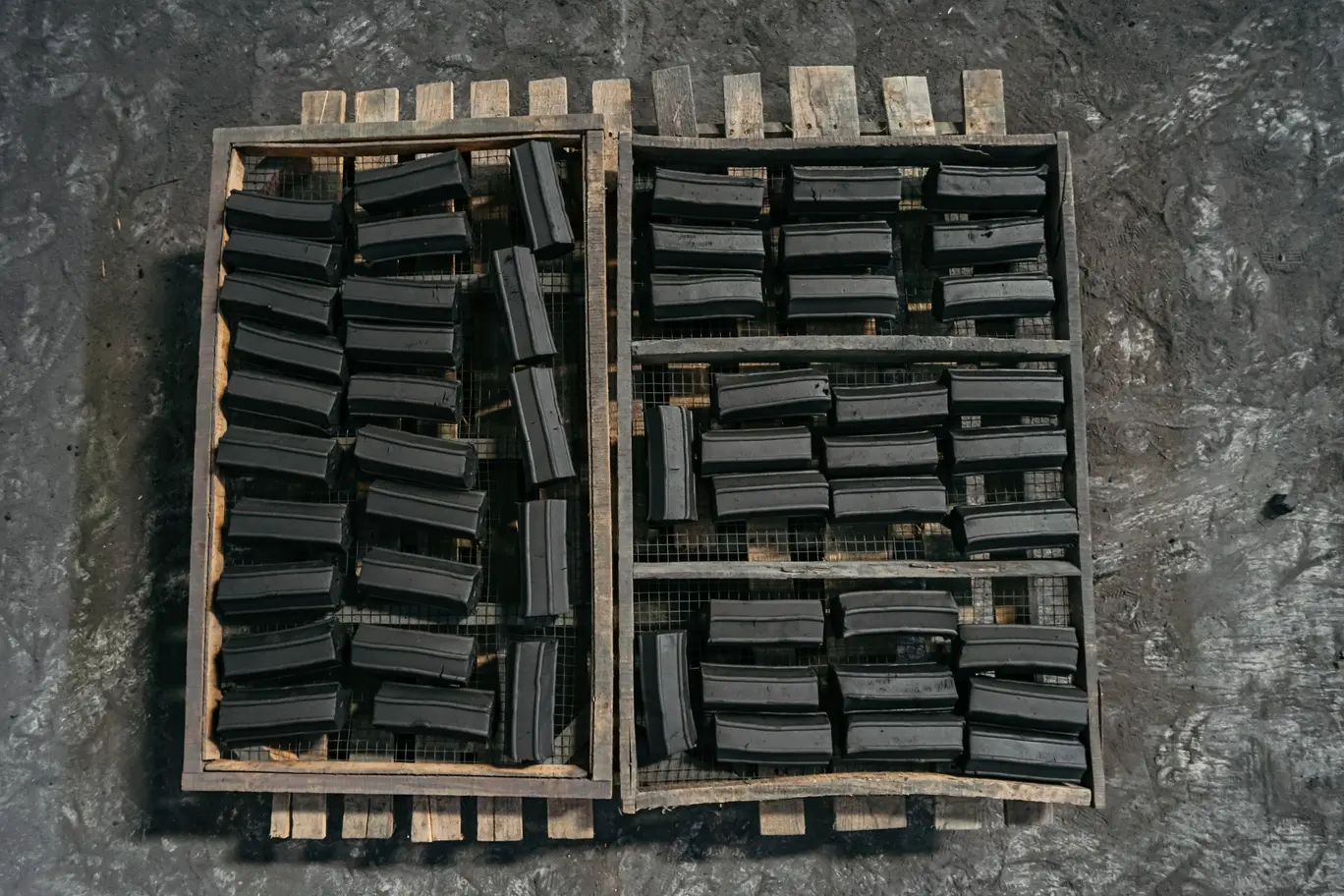
Resource categories
BBQ is the primary product path. Factory, packaging, shipping, technical evidence, and the existing Shisha guides support the wider sourcing decision without competing for the first click.
Compare BBQ briquette samples under one fuel basis, ignition method, airflow setting, useful-heat endpoint, and documented scoring method.
Open the BBQ sample-comparison guideSeparate useful production evidence from photographs or claims that do not prove current capability.
Open the full guide & checklistReview inner packs, outer cartons, packed-product movement, loading evidence, breakage methods, and order-linked documents.
Open the packaging & loading checklistKeep using the live sample-comparison guide and interactive scorecard for Shisha cube evaluation.
Open the Shisha guide & scorecardFeatured · BBQ Charcoal Buyer Guides
Compare the same quantity, shape, lighting method, appliance, airflow, observation intervals, and endpoint. Record useful cooking heat—not just the largest burn-time number on a quotation.
Compare BBQ briquette samples objectively Choose and verify BBQ briquette dimensions Compare hexagonal and pillow BBQ briquettes Compare coconut charcoal and sawdust briquettes Review BBQ grades & specifications Evaluate BBQ charcoal for food service Choose charcoal for commercial restaurant grills Read a BBQ specification sheet correctly Understand BBQ charcoal ash content Understand BBQ charcoal moisture content Compare fixed carbon with the complete analysis panel Write practical BBQ charcoal tolerances Compare COAs, specifications, and lab reports Identify a charcoal sample and its production batch Set practical BBQ charcoal acceptance criteria Plan retained samples for retesting and claims Match charcoal test methods before comparing results Run a controlled BBQ charcoal burn test Separate usable heat from total burn time Measure residue after a BBQ charcoal test Evaluate BBQ charcoal smoke and odor by test phase Run a controlled charcoal briquette drop test Write a traceable BBQ charcoal sample approval report Request a BBQ sample Control quality between containersSupplier, grade, shape, stated dimensions, sample date, batch reference, and packaging condition.
Do not compare anonymous pieces or assume two different grades represent the same offer.
Measure a representative set with a ruler or caliper, then record individual and total sample weight.
Size and mass affect ignition, heat output, duration, packing density, and freight economics.
Use one lighting method and record time, visible smoke, odor, sparks, and the agreed ready-to-use point.
A faster result is meaningless if the torch, airflow, turning routine, or endpoint changes.
Record temperature or another agreed heat indicator at fixed intervals in the same appliance and fuel arrangement.
A long-lasting briquette is not automatically useful if heat drops below the buyer's cooking requirement.
Define the start point, endpoint, airflow, appliance, fuel quantity, and whether tending or refuelling is allowed.
Only compare duration when the method and endpoint are identical for every supplier.
Cool and weigh the remaining ash, note its behavior, and photograph it at the same test stages.
Ash color alone is cosmetic; quantity, stability, and handling impact are more useful buyer observations.
Record cracks, fragmentation, collapse, breakage in the pack, and whether pieces survive normal handling.
A briquette that breaks before or during use changes usable yield and customer experience.
Observe before lighting, during ignition, and during the agreed cooking-stage window.
Keep sensory observations separate from laboratory claims and use the same evaluators where possible.
Review the current offer first, then request the relevant shape and grade for a controlled test.
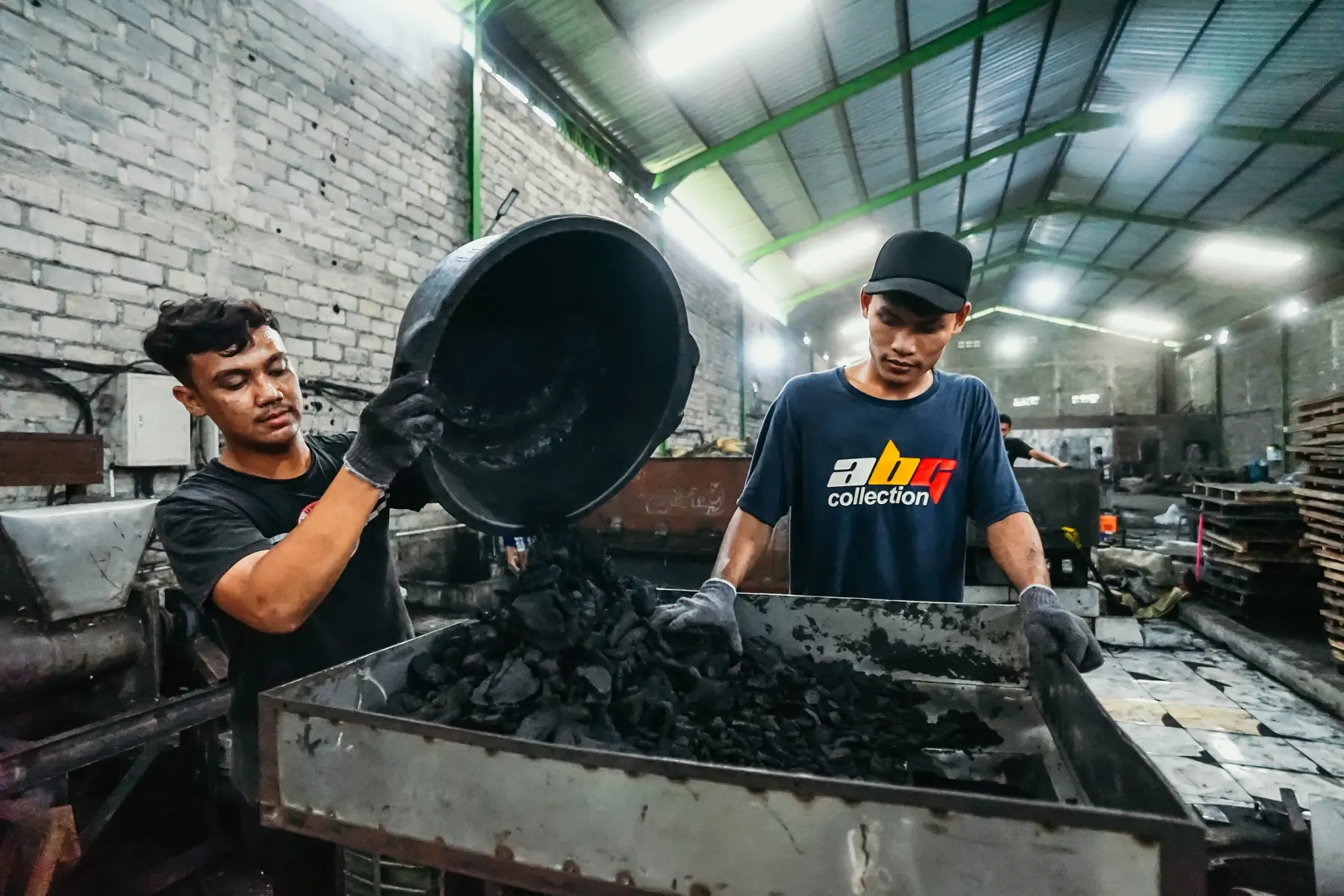
Original factory documentation · Central JavaCategory 02 · Supplier & Factory Verification
Factory due diligence should connect the quoting company, the production facility, the product being offered, and the evidence available for your order.
Confirm which legal company is quoting, which facility will produce the order, and how that company controls the operation.
Request a live factory video call or visit. Ask to see production, handling, packing, and finished-goods areas relevant to your product.
A shisha buyer should see shisha cubes; a BBQ buyer should see the relevant briquette shape. Product-specific evidence is more useful than a generic factory image.
Ask how the specification, available records, packaging brief, and shipment evidence will be connected to your order.
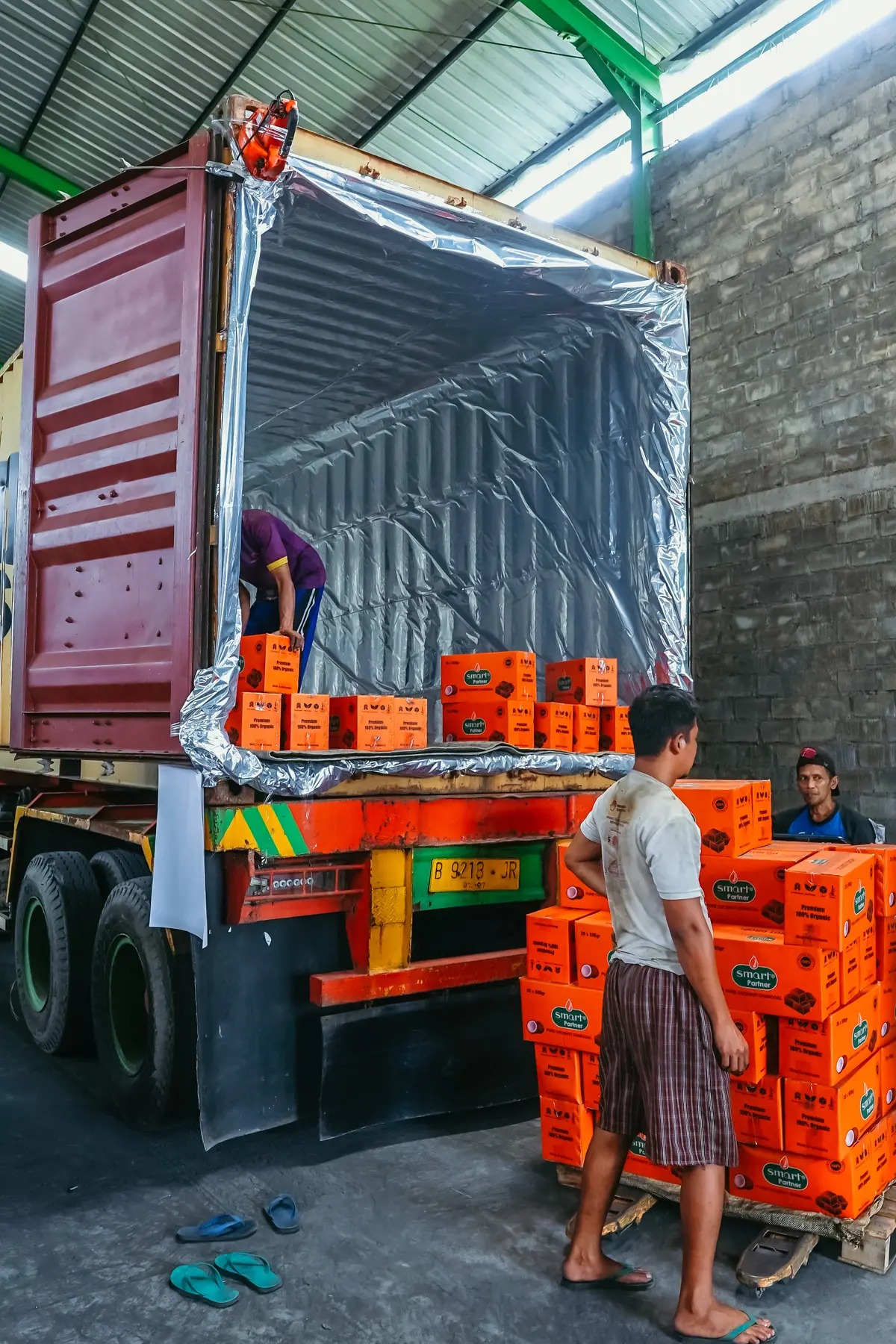
Review outer cartons, packing configuration, container condition, and the evidence available before loading readiness is confirmed.
Category 03 · Packaging, Shipping & Technical Evidence
Define the pack and outer carton before quoting, then connect approved details to loading preparation and order-specific technical records.
Review private-label capability Open the full BBQ packaging checklist Follow private-label BBQ charcoal from sample to shipment Diagnose BBQ briquette breakage during shipping Use the BBQ packaging & container-loading checklist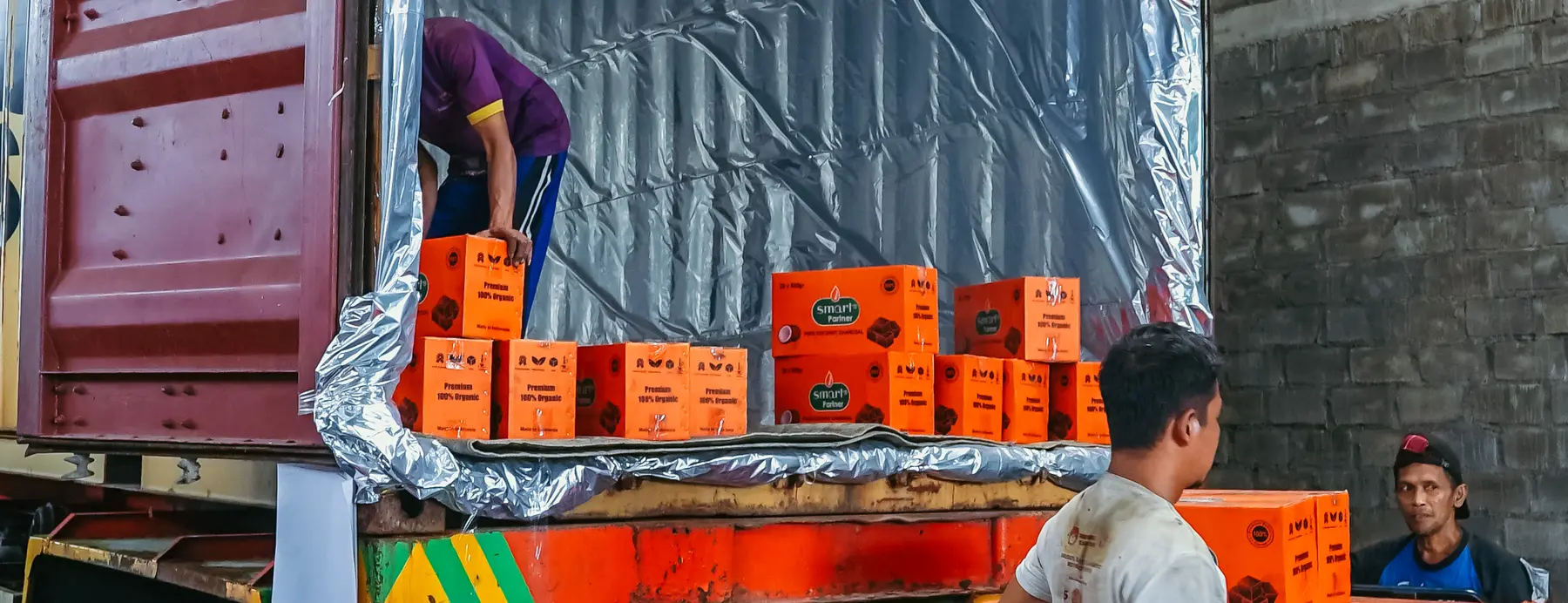
Shisha or BBQ product, grade, dimensions, and target performance.
Net weight, material, sealing approach, label information, and pack count.
Carton size, pack configuration, print requirement, shipping marks, and destination labels.
Buyer-supplied artwork, file format, approval responsibility, color expectations, and print route.
Trial or sample stage, estimated volume, destination country, target schedule, and decision timeline.
Project-specific MOQ, print route, production schedule, and loading configuration after the brief is reviewed.
Category 03 continued · Technical evidence
A specification sheet, test result, or other record becomes useful only when its identity, method, basis, date, and relevance are clear.
Which product, grade, dimensions, production date, or lot does the record describe?
Which method, equipment, and conditions were used? A result without a method is difficult to compare.
Are moisture, ash, volatile matter, and fixed carbon reported on the same basis?
Is the document current, and does it relate to the product being offered rather than an unrelated historical sample?
Which values and tolerances will be used to review the commercial order?
A report describes the tested sample. It does not, by itself, prove every future shipment will match.
Repeat-order discipline
Align the product specification, test conditions, packaging brief, and order-specific evidence before price becomes the only comparison. A low quotation does not repair an unclear acceptance standard.
Open the repeat-container consistency guide Open the food-service BBQ evaluation guide Read the full charcoal lab-report guide Read the BBQ specification-sheet guide Compare ash content on the correct basis Read the fixed-carbon buyer guide Build practical specification tolerances Compare technical document roles Build charcoal sample and batch traceability Build a BBQ charcoal acceptance plan Understand why retained charcoal samples matter Compare charcoal results under matching methods Use the BBQ charcoal burn-test protocol Compare usable heat with total burn time Run a restaurant BBQ charcoal field trial Match charcoal to a commercial grill and service pattern Measure post-test residue without confusing it with lab ash Evaluate smoke and odor without blaming the wrong source Compare briquette and packed-product drop resistance Turn sample evidence into a bounded approval decision Open the shipping-breakage diagnosis guide Use the packaging & container-loading checklist
Category 04 · Shisha Charcoal Buyer Guides
Use the existing seven-step protocol and interactive Supplier A–B–C scorecard to compare cube dimensions, weight, ignition, odor, burn behavior, ash, cracking, and transport breakage.
Continue your review
Use the relevant commercial page for specifications, factory access, packaging scope, original photographs, and inquiry routes.
Review hexagonal briquette grades, performance notes, and buyer verification.
Open BBQ product page VerificationSee production controls, factory access, current evidence, and buyer questions.
Review the factory OEMUnderstand the project workflow, packaging brief, and confirmation points.
Review OEM capability EvidenceInspect original production, product, packing, burn, and loading photographs.
Open the gallery Secondary productReview current grades, specifications, test notes, and sample options.
Open Shisha product page Next stepChoose sample, factory verification, private-label, or commercial-order routes.
Build your inquiryBuyer-resource questions
Need a product-specific answer? Send your sourcing stage and requirement directly.
Ask on WhatsAppUse the same briquette quantity, lighting method, appliance, airflow, tending routine, start point, and endpoint. Record useful heat as well as total duration, because a long burn with insufficient cooking heat can still fail the buyer's requirement.
Yes. Product samples are free up to 10 kg. The buyer pays the international courier costs, and the procedure is confirmed for the destination and product requested.
Arrange a live video call with a product-specific route through the production, handling, packing, and finished-goods areas. Ask questions against your own sourcing checklist rather than relying only on a prepared company presentation.
It proves only what was tested and reported for the identified sample. Repeat-order control also requires an agreed specification, clear acceptance criteria, and evidence connected to the commercial order.
MOQ is confirmed after the product, pack format, outer carton, artwork or printing route, and order scope have been reviewed. This page does not publish a generic MOQ that may not apply to the project.
Apply the checklist
Share your company, destination, product, sourcing stage, and estimated volume. We will align the relevant specification, sample procedure, factory evidence, or private-label route.
Start a WhatsApp inquiry