
Shisha buyer guide · Article 169
Shisha Charcoal Arrival Inspection Checklist
Record container and seal condition, reconcile the cartons and lots, inspect an agreed selection, and preserve evidence before releasing stock into distribution.
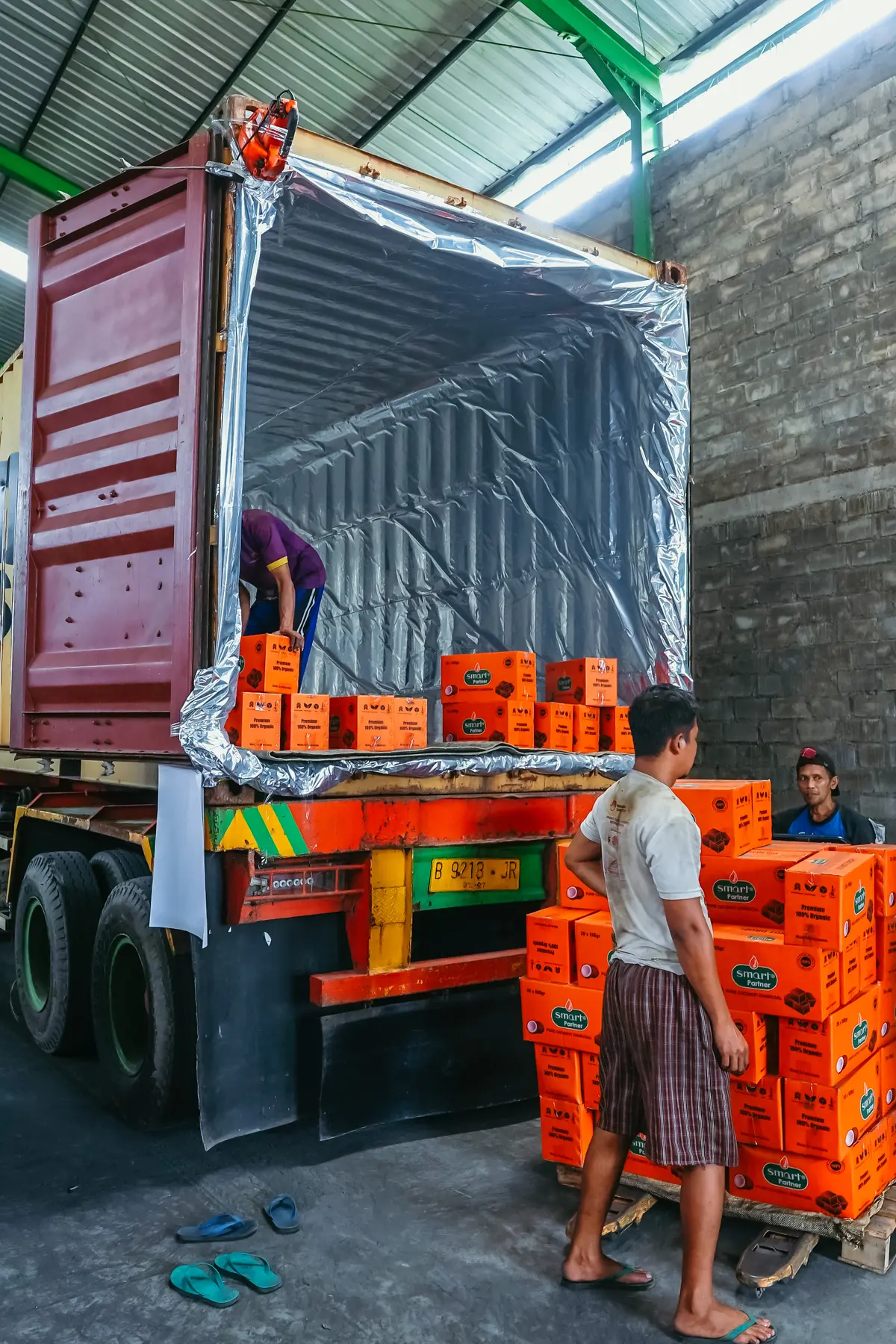
01 · Receiving plan
Prepare the baseline before the truck arrives.
Shisha charcoal arrival inspection should connect the goods received with the approved order and preserve evidence before normal distribution begins. Have the purchase order, current product specification, approved sample references, packing list and available loading or pre-shipment records ready.
Assign a receiving lead, photo recorder, sampling responsibility and hold-release authority. Agree acceptance criteria, inspection scope, methods and notification contacts before shipment where possible. This checklist is a proposed buyer receiving framework; confirm which supplier records and services are available rather than assuming every item exists.
Keep enough space to separate unchecked, accepted and held goods. Record delivery date, time, receiving location and people present. Make later warehouse movements traceable to the receiving record.
02 · Container and seal
Record identity and condition before opening.
Photograph the container number, door area, external condition and seal before it is broken. Compare the seal number with the relevant transport or loading record. Record missing, changed or unreadable seals and any explanation without treating the seal alone as proof of product condition.
Note visible dents, holes, door damage, water marks or other irregularities. Preserve the original photographs and the receiving notes. If identity or condition raises a concern, contact the designated logistics and quality people before ordinary handling changes the evidence.
Use the receiving site’s trained unloading team and established safe opening procedure. A quality checklist does not authorize entry into an unsafe container. Document initial visible cargo condition from an appropriate safe position before cartons are moved.
03 · Unloading and quantity
Map findings to positions and lots.
Capture initial rows and successive unloading stages so the record shows where affected cartons were found. Record crushed cartons, wet patches, damaged closures, shifted loads and visible moisture signs by location. A moisture mark is an observation to investigate, not proof of when or where exposure occurred.
Count cartons against the packing list and record shortages, excesses, mixed products and damaged quantities separately. State whether the receiving count is complete or provisional. Distinguish missing cartons from present cartons whose contents require inspection.
Read available lot codes and carton marks before repacking or relabeling. Map lots to received quantities and affected positions where practicable. Keep mixed or uncertain identity explicit; do not assign an assumed batch merely because cartons look similar.
04 · Sampling and pack integrity
Choose a documented selection, including suspect areas.
Use the agreed selection method across represented lots and relevant unloading positions. Record carton identifiers, inner packs examined, selection basis and quantity represented. Include targeted checks of suspect areas as a separate investigation; do not present a deliberately damaged-only sample as the shipment-wide defect rate.
Check inner-pack closures, tears, punctures, leakage of loose material and signs of moisture exposure. Photograph unopened condition and each opening stage before discarding packaging. Keep affected and comparison packs identifiable.
Where no sampling plan was agreed, record the provisional scope and seek agreement on further checks before making a whole-shipment acceptance claim. One good carton cannot clear unseen stock, while one damaged carton does not quantify the condition of every carton.
05 · Product observations and tests
Compare findings using the approved method.
Assess broken cubes, chipped edges, cracks and loose fines using the agreed definitions and counting or weighing method. Record the denominator: pieces examined, product mass or packs checked, as applicable. Do not compare percentages produced by different methods as if they were interchangeable.
Check weights or dimensions where specified, using the agreed tools, tare treatment and acceptance limits. Keep gross shipping weight separate from net product quantity. Record actual readings and sample identity instead of only a pass label.
If technical testing is needed, agree sample selection, sample handling, laboratory or observation method, reporting basis and decision rule. Photograph and identify material before testing alters it. Appearance alone cannot establish a moisture or ash result, and a failed observation alone cannot identify the cause of a change.
For comparisons with pre-shipment evidence or retained material, check identity and method compatibility. Mark unmatched conditions or missing references as limitations. Keep testing status pending until the agreed evidence is reviewed.
06 · Hold, notify and preserve
Keep the affected scope available for review.
Separate affected or unresolved lots from normal distribution and mark their status in the receiving record. Preserve identified goods, original packs and relevant samples under agreed conditions. If urgent protective handling is necessary, document the original condition and every change as far as practicable.
Notify the supplier and the designated logistics or quality contact promptly with the order, container, seal, lot, affected quantity, observed issue and evidence references. Follow the applicable agreed notification process and timing; this guide does not prescribe a universal claim deadline.
Describe facts separately from hypotheses. For example, report wet cartons at a recorded unloading position rather than declaring a production or transit cause without evidence. Agree whether further inspection, independent review or jointly identified samples are needed.
PT Unimax Pro Indonesia has equity ownership and operational control in the production facility. This supports coordination of buyer requirements and follow-up, but does not imply 100% ownership, zero variation or availability of every proposed batch record. Confirm the repeat-order evidence and baseline before production.
07 · Receiving decision
Release a defined quantity with a traceable decision.
Use clear outcomes: accept an identified quantity, continue hold pending evidence, or accept a documented exception through the authorized reviewer. Record the decision date, reviewer, lot and quantity, findings, evidence reviewed and any restrictions.
Where only part of a shipment is affected, document how the accepted and held scopes were distinguished. Do not distribute unresolved stock under a general shipment-level approval. Preserve original receiving records and the later decisions together.
Feed verified findings into the next order’s approved baseline and control process. A receiving decision should state what was examined and concluded; it should not silently rewrite the specification or attribute liability without supporting evidence.
Buyer tool
Arrival inspection checklist
Agree the receiving plan before shipment. For each checkpoint, add the actual finding, represented lot or quantity, evidence reference, responsible person and decision date.
| Control point | Evidence to confirm | Decision note |
|---|---|---|
| Delivery identity | Date, location, order and receiving team | Assign record and owner |
| Container and seal | Numbers, matching references and before-opening photos | Record discrepancies before alteration |
| Unloading condition | Position-linked photos, carton condition and moisture signs | Separate observation from cause |
| Quantity and codes | Carton count, lot marks, shortages and affected quantities | Keep provisional counts explicit |
| Selection and packs | Sample IDs, selection scope and inner-pack condition | Separate targeted from representative checks |
| Physical and technical checks | Breakage/fines basis, agreed weights, dimensions and test status | Use approved methods and limits |
| Hold and notification | Segregated scope, preserved packs and dated notice | Agree further review |
| Receiving release | Authorized decision, quantity and evidence references | Release only the defined scope |
Mark each point complete, pending, held or not applicable with a reason. Preserve original observations and release only the identified quantity covered by the authorized decision.
Questions buyers ask
Does an intact seal prove the charcoal arrived in good condition?
No. Record and compare the seal, then inspect goods within the agreed scope. Seal identity and product condition are different evidence points.
Should damaged cartons be mixed into the ordinary sample?
Record targeted checks of suspect cartons separately from the representative selection. Preserve both scopes so findings can be interpreted correctly.
Can a wet carton establish who caused the problem?
No. Record the location, pack condition, timing and supporting evidence, then investigate the cause. Visible moisture alone cannot establish responsibility.
Agree the baseline before production.
Send your company, destination, grade and cube requirements, estimated volume, packaging need and timing. Ask Unimax to confirm current product information, the approved baseline and the arrival-inspection references and repeat-order process available before production.
Discuss arrival checksReview factory and quality evidence · About PT Unimax Pro Indonesia · Shisha charcoal · Contact
Related buyer guides
Collect quality-claim evidence
Pre-shipment inspection checklist
Quality control before packing
Match the approved sample to production · Repeat-order change control · Batch records for buyers