
Shisha buyer guide · Article 219
Shisha Charcoal Sample Approval Report Template
Document the sample, agreed metrics, findings and conditions in one approval record. Keep buyer sign-off and retest history tied to the exact scope reviewed.
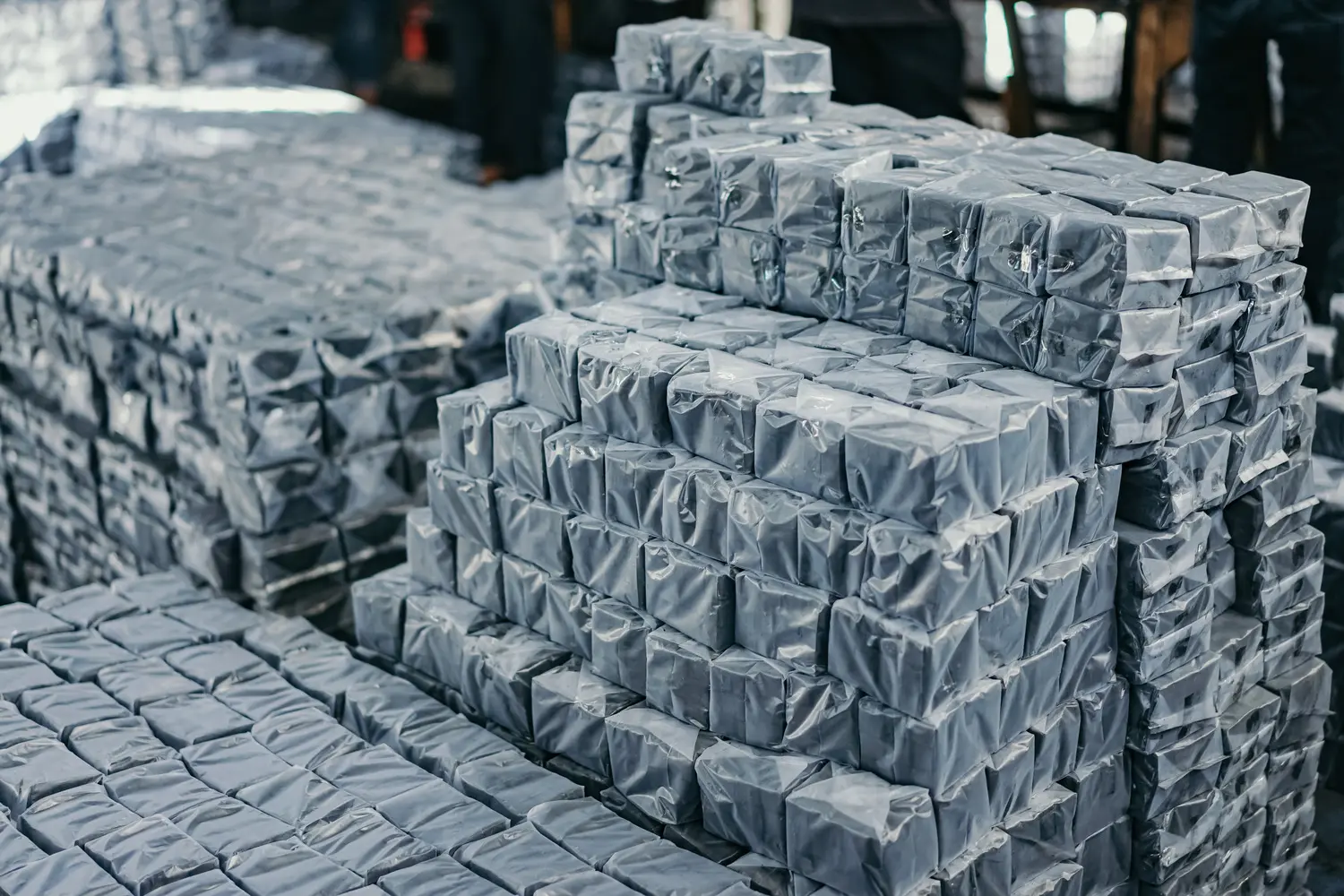
01 · State exactly what is being approved
A decision needs an identified sample and a defined scope.
A shisha charcoal sample approval report should preserve the connection between the material evaluated, the requirements reviewed and the buyer’s actual decision. Use the form below to record that connection. Start with a unique report ID and revision, the sample ID, supplier reference, product configuration and the buyer’s intended evaluation purpose.
Record the available lot or batch reference, collection or dispatch details, receipt date and condition, evaluator and evaluation dates. State whether the sample is a product evaluation sample, proposed packing prototype or another identified submission. Do not fill an unknown production reference with an assumed batch number.
Define the approval scope in one sentence: for example, evaluation of the identified sample against named specification fields, with packaging excluded if it was not reviewed. Approval of a sample’s product characteristics does not automatically approve artwork, a retail pack or a future shipment.
02 · Record agreed metrics beside the evidence
Keep a requirement, an observation and a conclusion in different fields.
For each metric, record the characteristic, requirement source and revision, agreed target or limit where one exists, method and conditions, actual observation, evidence reference and evaluation status. Use the metric record in the form once per characteristic. Leave no ambiguous pass mark without an associated requirement.
Use the relevant units and reporting basis. If a laboratory result is included, retain its complete report ID, sample link, method and basis rather than copying a favorable number without context. If a characteristic was not evaluated, mark it not evaluated and state whether that prevents approval.
Record the amount and identity of material actually examined where relevant. Separate distinct cubes or packs from repeat readings. Keep evaluation conditions and any method departures attached to the result so another reviewer can understand its scope.
This article documents the decision record. Use the sample evaluation guide for planning the evaluation itself and appropriate qualified providers for any agreed testing. This form sets no burn-test procedure, universal performance limit, certified sampling count or current Unimax test result.
03 · Give every nonconformity its own action
A condition is useful only if someone can close it.
Assign a finding ID to each departure from the agreed requirement. Record the affected sample or component, observed fact, criterion reference and supporting photograph or measurement. Keep suspected causes separate from confirmed observations, and use the agreed severity framework if classification is required.
Define the required response, responsible owner, evidence needed for closure and due date. Distinguish an explanation requested from a physical correction or a new sample submission. A vague statement such as improve quality does not establish what the buyer will review next.
If the buyer accepts the sample subject to conditions, list those conditions individually and explain what remains restricted. Conditional approval should not be treated as unconditional permission to proceed. Name the person who can confirm each condition is closed and the evidence that must support that confirmation.
Do not hide unresolved findings in an overall positive summary. Keep approved, not approved, conditional approval and pending evidence as distinct decision states. Where the parties use different terms, define their meaning in the report before sign-off.
04 · Preserve retest history and buyer sign-off
A new result should remain linked to the original finding.
For a retest or revised submission, link the new sample ID and report revision to the original finding. State what changed, the question being checked, the agreed method, actual result and reviewer. A different sample without a change record cannot silently replace the original evaluation.
Retain the original observations and any superseded decision. Record whether the retest closes a specific condition, leaves it pending or creates another question. Do not infer that checking one corrected characteristic validates every other property of the new material.
Buyer sign-off should identify the authorized person, role, organization, decision, scope, date and report revision. Include any supplier acknowledgement or inspector review separately so it is clear who supplied evidence and who approved the sample.
If a signature is collected outside the form, record its document or correspondence reference and keep it with the report. A typed name, blank signature line or supplier’s own approval is not evidence that the buyer has actually signed off. Complete that field only when the authorization exists.
05 · Connect the report to the order brief
Carry forward only the requirements and approvals actually agreed.
Attach the approved specification, sample reference, packing or artwork revisions that were reviewed, complete test records and the conditions register. State which references should be used when discussing the next order. Resolve inconsistencies between a sample observation and the written requirement before treating them as a production instruction.
Sample evaluation is distinct from agreed contractual acceptance and inspection of identified production goods. The report can support those later steps, but their lot definition, sampling, acceptance rules and release authority require their own agreement. This buyer form is not automatically an ISO, AQL or accredited procedure.
Record the next permitted action and any separate approvals still needed. If artwork was excluded, say whether artwork review remains open. If an identified sample passed only selected metrics, preserve that limitation instead of describing the entire product as fully approved.
Store the report, evidence, sign-off and revisions together under one reference. Use the form to request current specifications, identified samples or an agreed inspection scope for your inquiry; it does not establish current Unimax availability, official pack formats or a guarantee for future production.
Buyer tool · blank report for completion and sign-off
Sample approval report form
Complete one controlled report per identified submission and retain all supporting evidence. Replace blanks with actual records; no result or approval is prefilled. Mark missing evidence pending and state whether it blocks the decision.
| Report section | Required entry | Evidence / scope | Status / responsibility |
|---|---|---|---|
| Report control | Report ID ___; revision ___; issued / evaluated dates ___ | Buyer company / market ___; supplier reference ___ | Prepared by ___; report owner ___ |
| Sample identity | Sample ID ___; product / cube configuration ___; quantity received ___ | Lot reference if known ___; dispatch / receipt ___; condition ___ | Unknown references / identity limitations ___ |
| Scope / references | Evaluation purpose ___; scope approved ___; exclusions ___ | Specification / sample / artwork / pack revisions reviewed ___ | References attached ___; open conflicts ___ |
| Metric register | Use the repeatable metric entry below for each characteristic. | Methods / units / basis / evidence IDs ___; not-evaluated fields ___ | Status per metric ___; reviewer ___ |
| Finding / nonconformity | Finding ID ___; requirement ___; observed departure ___ | Affected material ___; evidence ___; agreed severity if used ___ | Action ___; owner ___; due date ___ |
| Approval conditions | Condition ID ___; linked finding ___; restricted scope ___ | Closure evidence required ___; authorized closure reviewer ___ | Open / closed ___; evidence and closure date ___ |
| Retest / resubmission | Original finding ___; new sample / report revision ___; change ___ | Retest scope / method ___; result / evidence ___; remaining limits ___ | Closed / pending / not resolved ___; reviewer / date ___ |
| Buyer decision | Approved / conditional / not approved / pending ___ | Exact approved scope ___; exclusions ___; conditions register ___ | Authorized buyer approver ___; decision date ___ |
| Buyer sign-off | Name ___; role / company ___; report revision signed ___ | Signature or authorization reference ___; date ___ | Supplier acknowledgement separately ___ |
| Next action / attachments | Next permitted step ___; separate approvals still required ___ | Evidence list ___; original / revised reports ___; custody references ___ | Responsible owner ___; next review ___ |
Metric entry · repeat for each agreed characteristic
Metric ID ___; characteristic ___; requirement source / revision ___; target or limit ___; method / conditions ___; quantity examined ___; units / reporting basis ___; actual observation ___; evidence reference ___; meets criterion / does not meet / not evaluated / pending ___; evaluator / date ___.
Nonconformity and condition entry
Finding ID ___; sample / component ___; criterion ___; observed fact ___; evidence ___; proposed cause if unconfirmed ___; required action ___; owner / due date ___; condition ID ___; closure evidence ___; closure reviewer / date ___; remaining restriction ___.
Retest entry
Original finding ID ___; original sample ___; revised submission / sample ID ___; change description ___; retest scope / method ___; result and evidence ___; condition closed / pending / unresolved ___; reviewer / date ___; report revision ___.
Buyer decision and authorization
Decision: approved / conditional approval / not approved / pending ___. Exact scope approved ___. Exclusions ___. Open condition IDs ___. Next permitted action ___. Separate order or production approvals required ___.
Authorized buyer name ___; role / organization ___; report ID and revision ___; signature or authorization reference ___; date ___. Supplier acknowledgement ___; evaluator or inspector review ___; attachments ___.
Sample approval report questions
Can the report approve product characteristics but leave packing open?
Yes, if the decision states that exact scope and the outstanding packing approval. Avoid an overall approval label that hides the exclusion.
Does conditional approval mean all conditions are closed?
No. List the conditions, restrictions, evidence needed and closure reviewer. Retain each item’s open or closed status.
Should a retest overwrite the first result?
No. Link the revised sample and report to the original finding, preserve the first observation and record what the retest actually resolves.
Does sample approval release the production shipment?
Not automatically. Production acceptance, inspection scope and release authority require the applicable separate agreement and records.
Commercial discussion
Request the references needed to complete your approval record.
Share your destination, product and packing requirements, sample references and the metrics you need evaluated. Request current specifications, identified samples or an agreed inspection scope. Include open findings, proposed conditions and the buyer reviewer for the inquiry.
Discuss an inspection scopeFactory and quality evidence · Shisha charcoal products · Contact Unimax
Related buyer guides
Evaluate a shisha charcoal sample · Prepare a pre-shipment inspection · Write defect acceptance criteria · Resolve conflicting laboratory reports · Choose an inspection scope