
Samples & technical evidence
Why Retained Charcoal Samples Matter
Preserve traceable material for fair retesting, repeat-order comparison, and claim investigation—without mistaking a sealed bag for proof that the original sampling was representative.
Batch-linked identityControlled storagePre-agreed release
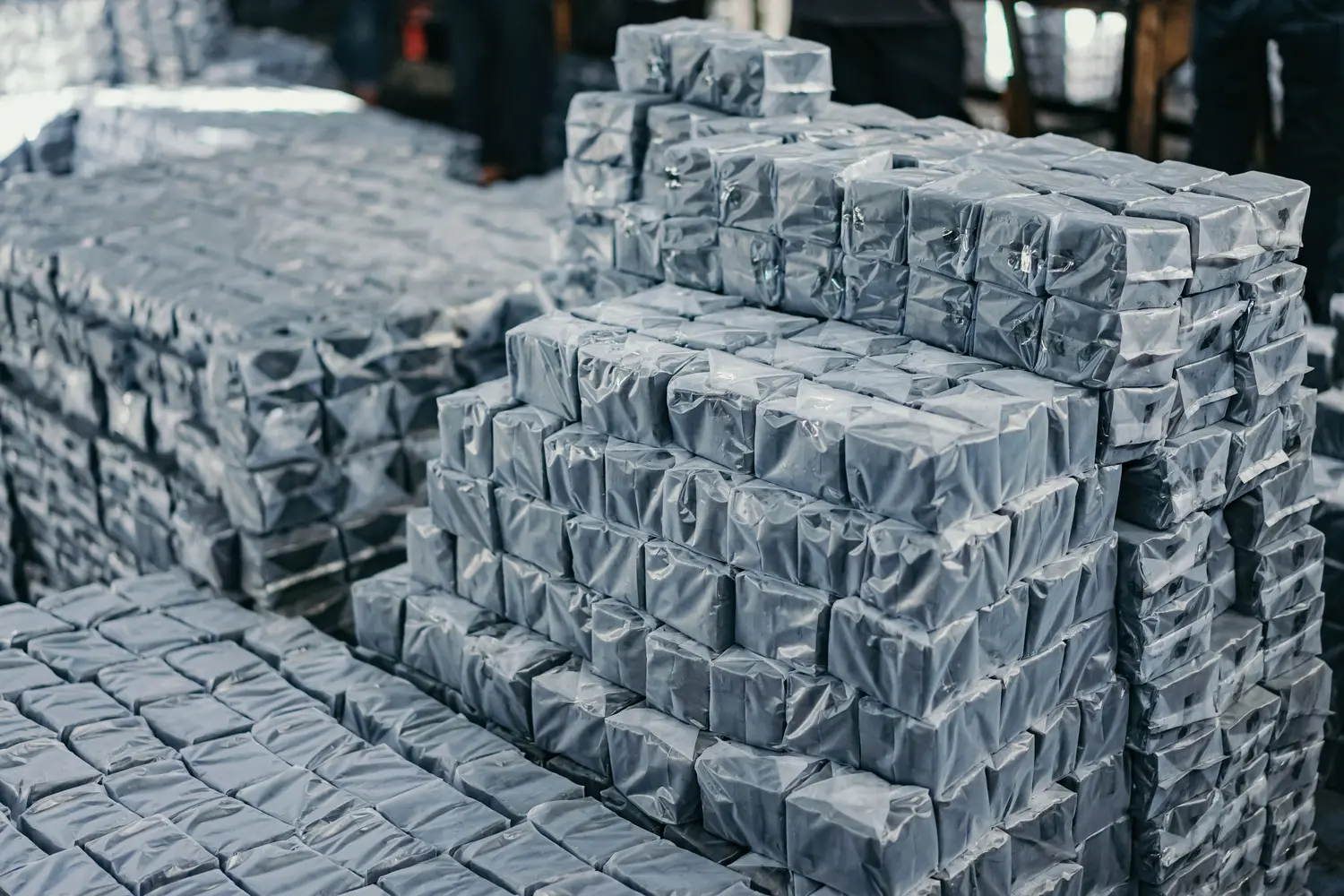
The core principle
Retention preserves evidence. It does not manufacture representativeness.
A sealed sample can help only when the parties can explain what it came from, how it was selected, which portion each holder received, how it was protected, and which question a later test is supposed to answer.
If a dispute starts with an anonymous bag from an unknown carton, opening it in front of three witnesses does not upgrade the evidence. Ceremony is not traceability.
Why retain material
Four legitimate purposes—each with different evidence needs.
Define the purpose before choosing quantity, pack type, holders, storage, and expiry. “Keep some just in case” is not a retention plan.
- 01
Confirm identity
Preserve material linked to the approved product, production lot, sampling event, specification revision, and order—not merely a bag labelled ‘reference’.
- 02
Support retesting
Provide identified material for a predefined confirmation route when initial results are marginal, conflicting, or questioned.
- 03
Compare repeat orders
Keep a documented reference alongside test records so later lots can be investigated under the same method without pretending the old sample is a permanent master standard.
- 04
Investigate claims
Help separate possible production variation from transport damage, moisture exposure, packaging failure, storage conditions, and test-method differences.
Retention-plan worksheet
Write the controls before the shipment or test result exists.
Scale the procedure to the commercial risk and intended tests. The structure matters more than copying a universal retained mass or expiry period.
Name the product, grade, format, production batch or lot, order or shipment, sampling point, date, and quantity represented.
Batch record, order reference, sampling note, source photographs, and sample ID.
Define who selected the material, from which packs or locations, how randomness or coverage was achieved, and any exclusions.
Sampling plan, carton or pack map, selector, date, piece count, and limitations.
State how the selected material was divided and which portions are held by supplier, buyer, inspection body, or laboratory.
Parent sample ID, sub-sample IDs, quantity balance, holder, and handover record.
Use packaging suited to the intended tests and storage risk; make opening visible and record every seal or tamper-evident mark.
Pack type, seal ID, net mass, condition, close-up photographs, and resealing record.
Define location, access control, temperature or humidity precautions where relevant, protection from water, odor, contamination, crushing, and sunlight.
Storage location, custodian, condition checks, movement log, and incident record.
Set an expiry tied to the claim window, shipment cycle, product stability, test purpose, legal or contract needs, and remaining quantity.
Start date, review or expiry date, extension approval, and disposal authorization.
Predefine trigger, authority, witnesses, laboratory, test method, reporting basis, quantity used, and how conflicting results affect the decision.
Opening record, seal condition, video or photos, test request, result, and remaining balance.
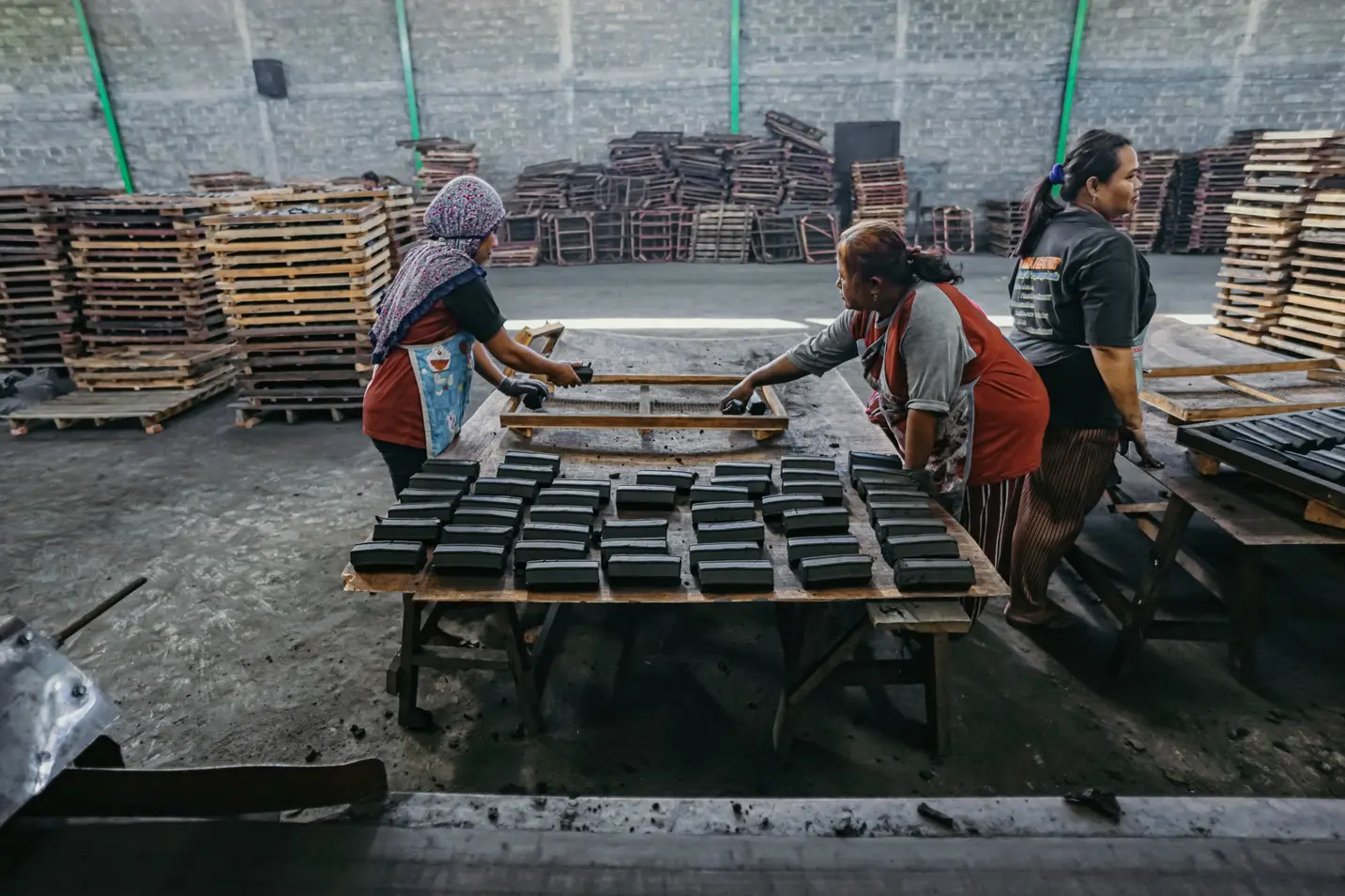
Matched portions
Supplier, buyer, and laboratory samples should share one parent identity.
Investigation reserve
Useful for internal confirmation and production review when its selection, seal, condition, and storage are documented.
Independent custody
Supports receiving comparison or a contractual retest route, provided the buyer records receipt and storage conditions.
Neutral reserve
May reduce arguments where risk justifies an agreed custodian, joint seal, or named laboratory.
Controlled workflow
From selection to disposal, every change should leave a record.
The aim is not paperwork for its own sake. It is to stop identity, condition, and decision rules from being reconstructed after a disagreement.
- 01
Write the purpose first
State whether retention supports analytical retest, burn comparison, breakage review, packaging investigation, repeat-order trending, or another defined question.
- 02
Select with the original inspection
Take retained material through the same documented sampling event used for the relevant decision. A handful collected later from a convenient open bag is weaker evidence.
- 03
Split and identify each portion
Create linked sub-samples for agreed holders. Record quantity, seal, packaging, date, and custody instead of assuming matching-looking bags are equivalent.
- 04
Store for the intended test
Protect the properties that may later be measured. Moisture-sensitive analysis, physical breakage review, and burn testing do not necessarily need identical packaging or quantities.
- 05
Open only under the rule
Record authorization, seal condition, attendees, reason, quantity removed, method, and any resealing. Do not repeatedly dip into the reference and call it unchanged.
- 06
Close the record
Document the result, commercial decision, remaining quantity, continued retention, expiry, and disposal. Evidence without a controlled ending becomes warehouse archaeology.
Retention red flags
Six ways a retained sample loses credibility.
A physical bag can still exist while its evidential value has quietly evaporated.
Anonymous leftover material
There is no reliable link to the sampled lot, production date, order, specification, inspection, or result under review.
One party controls every sample
No duplicate, joint seal, handover record, or agreed independent route exists for a material dispute.
Packaging changes the property
An unsealed, wet, contaminated, crushed, or odor-exposed sample is treated as though storage could not affect the later result.
No quantity plan
The retained mass is too small for the agreed repeats, specimen preparation, laboratories, and reserve—so the first retest consumes the evidence.
No expiry or claim window
Material is kept indefinitely without asking whether aging, packaging, or storage still makes the comparison meaningful.
Retest rules appear after failure
The laboratory, method, sample holder, rounding, and controlling result are chosen only after someone dislikes the first outcome.
Retained-sample FAQ
Questions buyers ask about retained charcoal samples.
Use the answers as procurement prompts, then write the order-specific procedure with the supplier and any inspection or laboratory party.
01What is a retained charcoal sample?+
It is an identified portion of material selected from a defined sample, batch, lot, or shipment and preserved under documented packaging, seal, custody, storage, and time controls for a stated future purpose.
02Does a retained sample prove an entire charcoal batch passed?+
No. It preserves material for later review. Its evidential value still depends on representative selection, traceability, condition, method, and the agreed decision rule. Retention cannot repair poor sampling.
03How much charcoal should be retained?+
There is no universal mass. Work backward from the intended tests, specimen preparation, number of repeats, number of holders or laboratories, destructive testing, and reserve quantity. Record the starting and remaining balance.
04How long should charcoal samples be retained?+
Set the period before ordering using the shipment and claim timeline, repeat-order cycle, intended test, packaging stability, storage risk, contractual needs, and local legal requirements. Review or dispose of expired material under a recorded rule.
05Should the buyer and supplier each keep a retained sample?+
For higher-risk or contractually important decisions, matched portions held under linked identities can reduce avoidable arguments. The agreement should state holders, seals, custody, storage, and what happens if one portion is compromised.
06Does Unimax automatically retain samples from every shipment?+
This guide does not promise a universal retention program for every order. Retained quantity, sample holders, packaging, seals, storage period, tests, documents, and retest rules should be confirmed for the proposed product and order.
Before production
Agree what will be retained—and what that evidence may decide.
Connect the retained material to the product identity, sampling plan, specification, acceptance criteria, test method, purchase order, production lot, shipment, claim window, and remedy path.
For an Unimax order, confirm retention scope before production. This page explains the framework; it does not promise a universal retained quantity, storage period, third-party custodian, or laboratory package for every shipment.