
Specifications & evidence
How to Identify a Charcoal Sample and Its Production Batch
A charcoal sample becomes useful approval evidence only when the physical briquettes, source batch, label, photos, seal, dispatch record, and test documents can be connected without guesswork.
Unique sample IDBatch linkageChain of custody
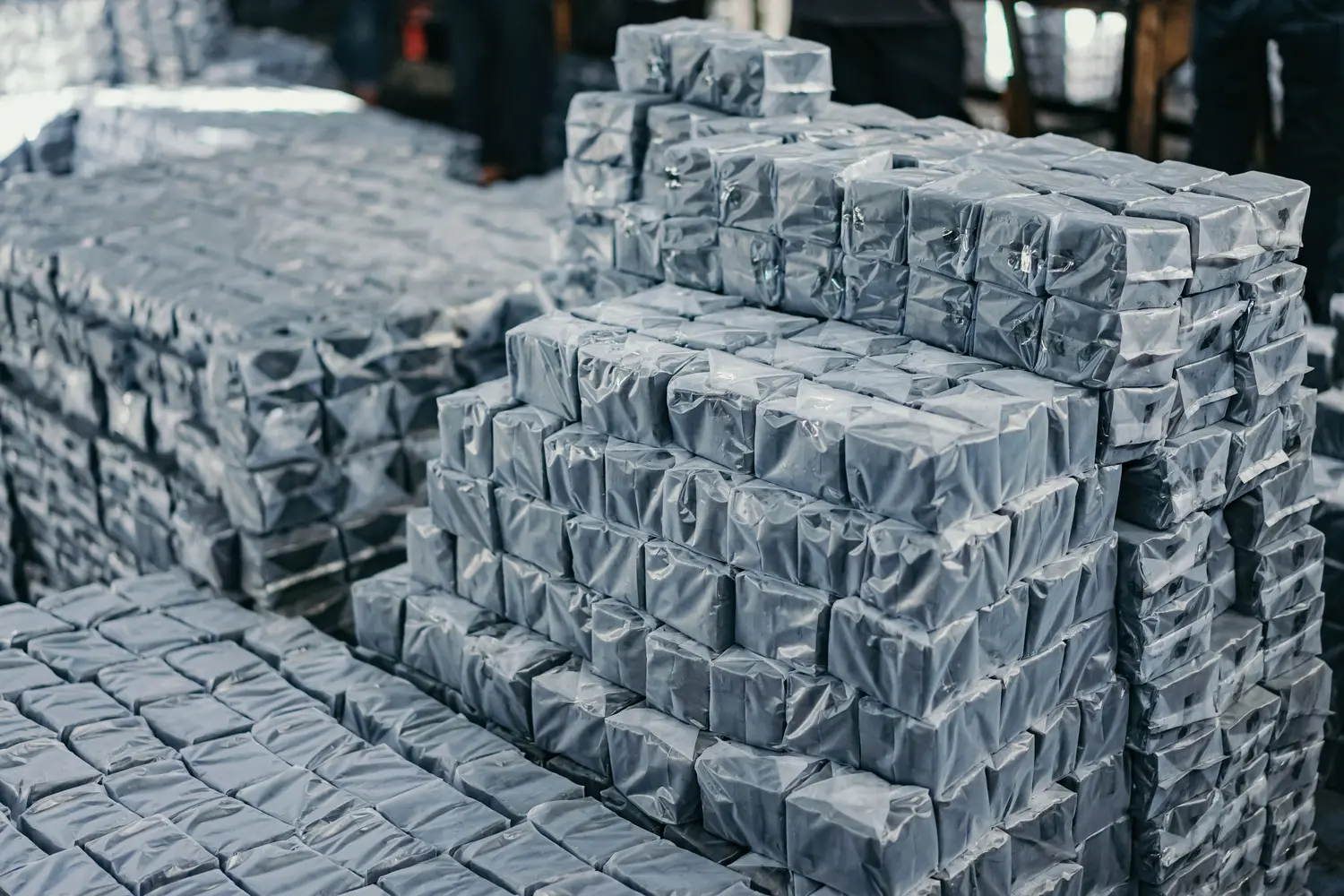
The core rule
Traceability answers “what was tested?”—not “does the whole batch pass?”
Sample identification establishes continuity between the material selected, the parcel received, and the specimen evaluated. Representative sampling is a separate question: it asks whether that material fairly reflects the larger batch or shipment.
A tidy label cannot rescue cherry-picked pieces. An excellent sampling plan cannot rescue an anonymous bag. Buyers need both disciplines, because “probably the same charcoal” is not a quality-control system.
Minimum sample label
Give the sample enough identity to survive every handover.
The public examples below are fictional. Keep buyer names, private addresses, purchase-order details, and other confidential identifiers inside controlled transaction records.
A unique reference that follows the physical sample and every related record.
EV-2026-021-A
Company, product name or grade, raw-material description, and intended application.
Supplier / BBQ grade
Briquette format, nominal length and cross-section, plus any relevant tolerance reference.
Hexagonal / nominal size
Inner pack, outer pack, net mass, piece count where useful, and number of sample packs.
Sealed bag / net mass
The source production reference used by the factory or supplier; do not replace it with the courier number.
Batch / lot reference
Record when the material was produced and when the sample was selected.
YYYY-MM-DD
State where and how the pieces were taken: line, finished stock, selected cartons, retained sample, or shipment inspection.
Finished stock / stated lot
Dispatch date, sender, receiver organization, courier reference, and the condition at handover.
Date / route / tracking
Seal number or tamper-evident mark, plus filenames or record IDs for the supporting photos.
Seal ID / photo set
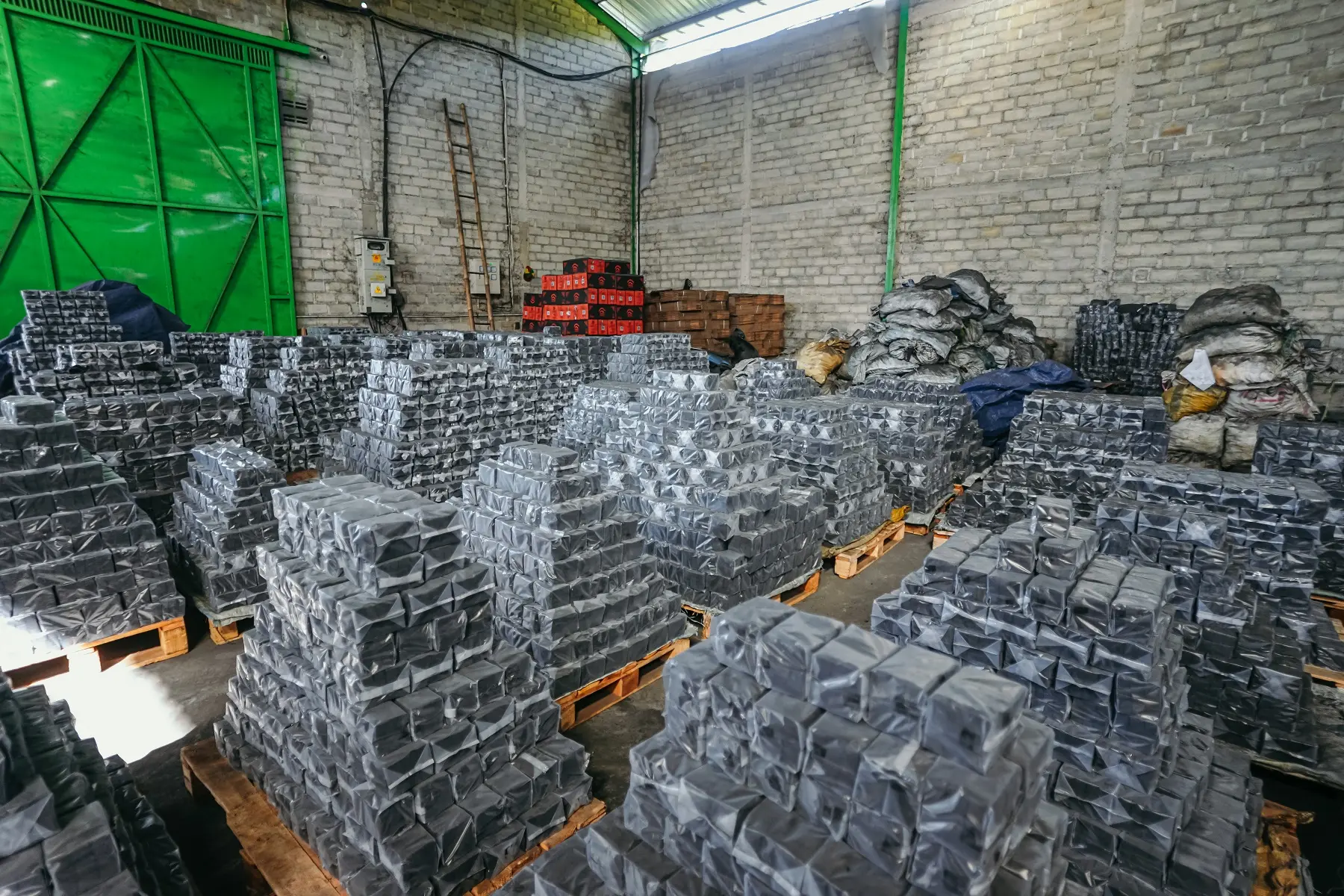
Sample, batch, and shipment
Build links instead of making leaps.
Sample → source batch
Record the batch or lot from which the sample was selected, plus the sampling date, point, method, and quantity. If the source batch is unknown, say so rather than inventing precision.
For overseas requests, follow the international charcoal sample guide from buyer brief and shipping review to receipt and evaluation.
Sample → test result
Put the same sample ID on the evaluation sheet, laboratory request, COA or QC record, photos, and approval decision. A result for an unidentified specimen has sharply limited commercial value.
For overseas requests, follow the international charcoal sample guide from buyer brief and shipping review to receipt and evaluation.
Approved sample → commercial order
Translate the approved characteristics into a specification, tolerances, test method, packaging requirement, and acceptance rule. The original sample alone does not govern a future container.
For overseas requests, follow the international charcoal sample guide from buyer brief and shipping review to receipt and evaluation.
Production batch → shipment
Confirm which batch or lots enter the shipment and which evidence applies. Mixed lots, rework, repacking, and substitutions should remain visible in the order records.
For overseas requests, follow the international charcoal sample guide from buyer brief and shipping review to receipt and evaluation.
Chain of custody
Preserve identity from selection to final result.
A chain-of-custody record does not need theatrical bureaucracy. It needs clear, dated control whenever possession, packaging, or the physical sample changes.
- 01
Assign the identity before selection
Create the sample ID and identify the intended product, grade, source batch, quantity, and sampling purpose before pieces are removed.
- 02
Photograph the source and selection
Capture the source lot or production context, the selected pieces, visible condition, measurement references where used, and the open sample pack.
- 03
Pack and seal the sample
Use packaging that protects the material and makes unauthorized opening visible. Record the seal, pack count, net mass, and any handling limitation.
- 04
Record every handover
Note who released, transported, received, opened, subdivided, or sent the sample to a laboratory, with dates and condition observations.
- 05
Keep documents on one identity
Use the same sample ID and batch reference on the evaluation sheet, test record, COA, laboratory request, photo index, approval record, and retained-sample log.
- 06
Record changes instead of hiding them
If a sample is repacked, split, damaged, or resealed, create a documented sub-sample reference and preserve the link to the parent sample.
Record continuity
Make every stage point back to the same material.
Not every transaction needs the same paperwork depth. The control level should follow the buyer's risk, test purpose, product value, and contractual requirement.
Product, grade, format, batch or lot, production date, quantity represented
Defines what the sample is claimed to come from
Date, location, sampler, sampling point, piece or pack count, selection method
Shows how the physical material was chosen
Pack type, net mass, condition, seal or tamper mark, photo references
Protects identity between selection and receipt
Sender, receiver, dates, courier reference, seal and packaging condition
Documents transfer and any visible interruption
Method, result record, operator or laboratory, date, sample ID, remaining quantity
Connects the result to the tested material
Storage condition, retained quantity, location, expiry or disposal date
Supports review, retest, or repeat-order comparison
Traceability red flags
Six ways sample approval loses its evidence trail.
These gaps do not automatically prove that the charcoal is poor. They do mean the buyer cannot safely attribute the observed result to the claimed batch or future order.
Unlabelled courier bag
The buyer cannot reliably connect the briquettes to a grade, batch, production date, sampling point, or supporting document.
For overseas requests, follow the international charcoal sample guide from buyer brief and shipping review to receipt and evaluation.
Courier tracking used as a batch number
Tracking identifies a parcel movement. It does not identify the source production lot inside the parcel.
For overseas requests, follow the international charcoal sample guide from buyer brief and shipping review to receipt and evaluation.
Label and report use different names
A product nickname, grade, dimension, or batch reference changes between the physical sample, test request, COA, and approval record.
For overseas requests, follow the international charcoal sample guide from buyer brief and shipping review to receipt and evaluation.
Photos without identifiers
Images show charcoal but contain no sample card, date, scale, seal, pack reference, or other link to the recorded material.
For overseas requests, follow the international charcoal sample guide from buyer brief and shipping review to receipt and evaluation.
Opened or divided without a record
The physical chain changes, but no sub-sample identity, quantity balance, new seal, or handover entry is created.
For overseas requests, follow the international charcoal sample guide from buyer brief and shipping review to receipt and evaluation.
One approved sample stretched across future orders
The identity of the original sample is clear, but no specification or order-linked control connects later batches to it.
For overseas requests, follow the international charcoal sample guide from buyer brief and shipping review to receipt and evaluation.
Before approval
Approve the identified material—and document the limits of that approval.
State which sample was accepted, under which test method, for which product and application, and what the approval does not establish. Then connect the commercial order through a current specification, acceptance criteria, packaging agreement, batch records, and shipment-relevant evidence.
For an Unimax evaluation request, share the grade, briquette format, destination, target requirements, desired quantity, and any identification or document requirement. Current batch information and evidence scope are confirmed for the specific sample rather than promised as a generic bundle.
Sample traceability FAQ
Know exactly which charcoal your result describes.
Identification makes evidence reviewable. Sampling and acceptance rules determine how far that evidence can reach.
01What information should be on a charcoal sample label?+
Use a unique sample ID, supplier and product or grade, briquette shape and dimensions, pack format and quantity, source batch or lot, production and sampling dates, sampling point, dispatch reference, and seal or photo references. Keep confidential buyer details in controlled records rather than public examples.
02Is a courier tracking number the same as a charcoal batch number?+
No. The tracking number follows a parcel. A batch or lot reference identifies the source production material. Record both, but do not substitute one for the other.
03Does a labelled sample prove that it represents the whole batch?+
No. Identification establishes which material was tested. Representativeness depends on the sampling plan, source coverage, selection method, quantity, and any limitations. Identity and representativeness solve different problems.
04What is chain of custody for a charcoal sample?+
It is the documented sequence from selection through packing, sealing, handovers, receipt, opening, subdivision, testing, retention, and disposal. It helps show whether the tested material is the same material that was originally identified.
05Should sample photos include confidential buyer information?+
No public example needs a buyer name, purchase-order number, private address, or other confidential identifier. Use fictional or redacted examples publicly and keep the complete controlled record within the transaction.
06Can I request a clearly identified charcoal sample from Unimax?+
Yes. Product samples are free up to 10 kg and the buyer pays international courier costs. The product, quantity, identification scope, available batch records, destination, and dispatch procedure are confirmed for the specific request.
Request a traceable evaluation sample
Know What You Are Testing Before You Approve It
Tell us the charcoal format, grade, application, destination, target requirements, and identification records you need. Product samples are free up to 10 kg; international courier costs are paid by the buyer.
Request sample on WhatsAppFor overseas requests, follow the international charcoal sample guide from buyer brief and shipping review to receipt and evaluation.