
Hospitality fuel procurement guide
How Hotels, Caterers, and Event Operators Evaluate BBQ Charcoal
Events have an opening time, a peak guest wave, and a hard finish. Test charcoal for reliable setup, useful heat during service, handling between venues, cleanup, and cost per cover in the operator's actual conditions.
Setup windowPeak coversUnused fuel
A different operating model
Procure for the event timetable, not a single burn-time number.
A hotel station, an off-site caterer, and an outdoor event can share a menu while using different grills, transport routes, staff, and service windows. Define the actual equipment and venue constraints before claiming any charcoal is a good fit.
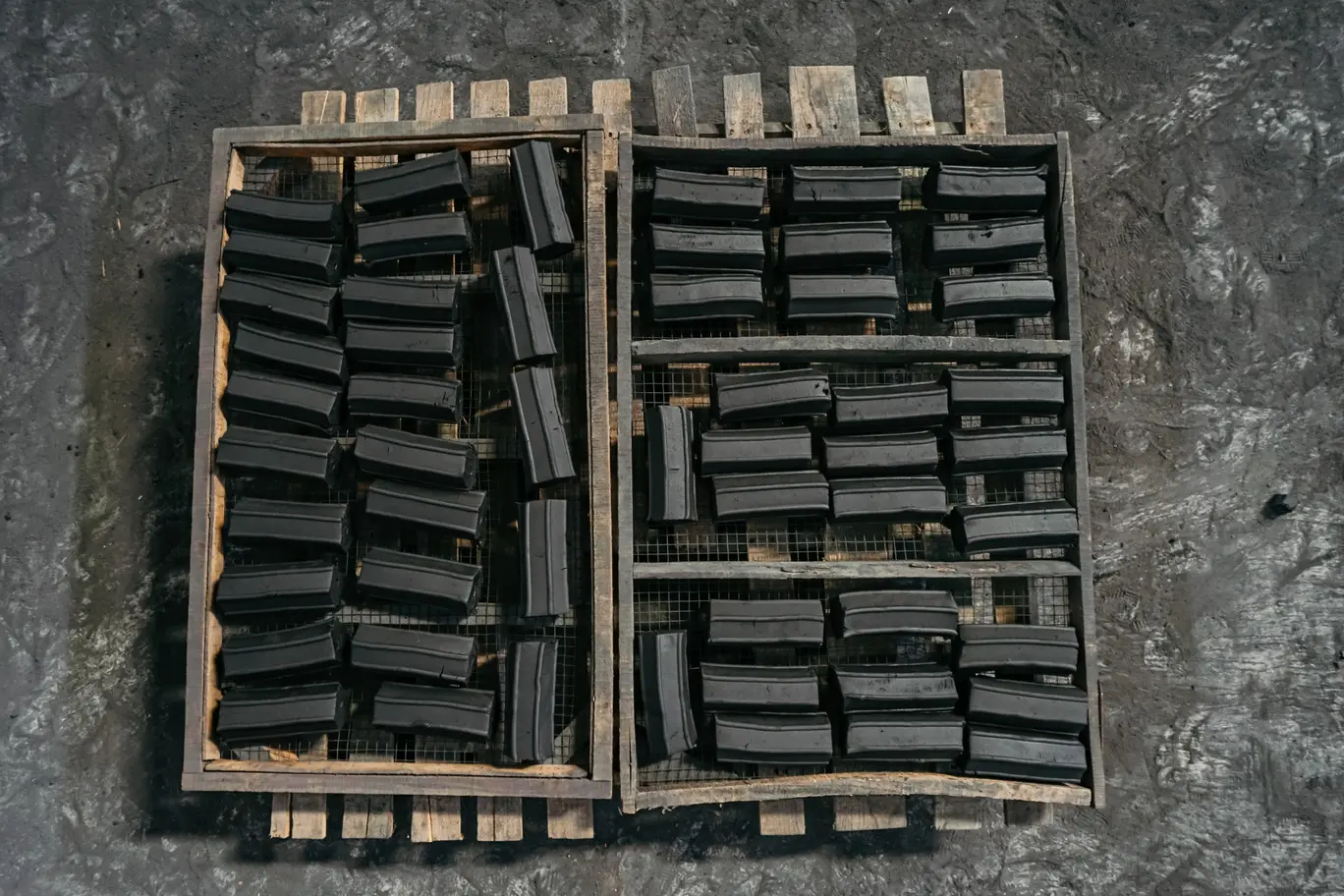
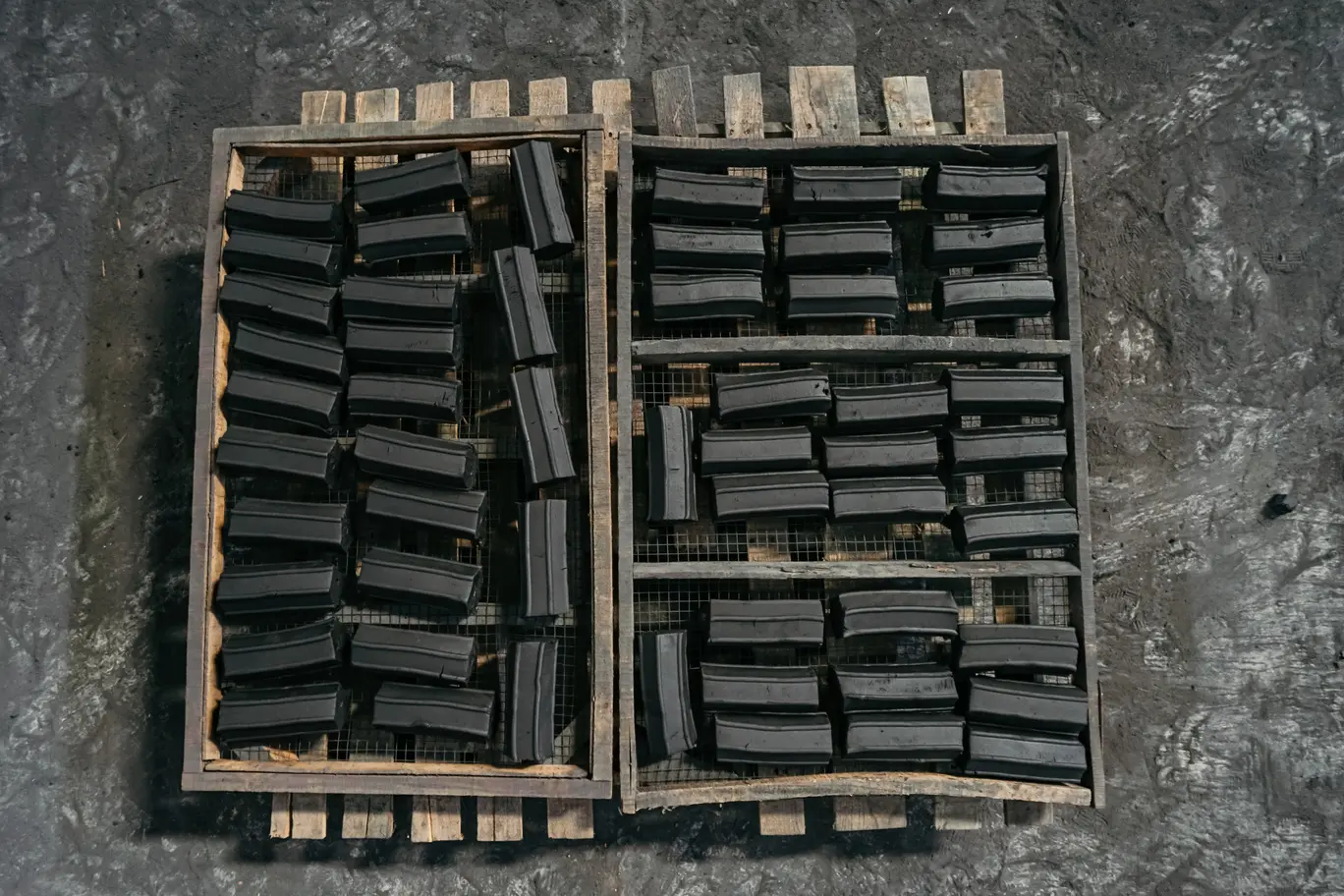
Unimax currently focuses on hexagonal coconut shell BBQ briquettes. A sample should be evaluated against the buyer's setup and peak service. Neither shape nor a product photo proves weather tolerance, throughput, indoor suitability, or a cost advantage for a particular event.
Nine-part off-site checklist
Follow the fuel from delivery to the last guest.
Set the service target, record baseline conditions, and distinguish fuel consumed from fuel staged or returned.
Record guest count, menu, number of grill stations, food load per wave, service opening and closing times, and whether cooking is continuous or concentrated at peak arrival.
Record: Covers, batches per station, target ready time, and maximum acceptable wait.
Identify the actual grill model, fuel-bed dimensions, airflow controls, work area, and site operating requirements. A hotel terrace and a temporary event station may behave differently.
Record: Location, grill layout, working fuel mass, ambient conditions, and operator's permitted operating plan.
Time unloading, staging, lighting, and reaching useful cooking heat before service begins. Test the same staff and ignition process used for the event.
Record: Minutes from unpacking to first food load and any starter, fuel, or labor required.
Compare a quiet period and the busiest realistic food wave. Measure whether each grill recovers after food loading without unexpected delays.
Record: Fuel per station, heat recovery, portions per wave, refills, interruptions, and service throughput.
Check pack damage after normal delivery and internal movement, plus exposure to damp conditions or repeated loading and unloading.
Record: Intact units, fines, pack condition, usable yield, storage time, and fuel staged versus consumed.
Log wind, rain exposure, and ambient conditions during outdoor trials; use only equipment and procedures allowed at the venue.
Record: Changes to airflow, ignition, heat stability, shielding or station arrangement, and any deviations from the baseline.
Record who lights, tends, refills, carries, consolidates, and clears each station. A fuel that seems cheap per kilogram may consume more staff time.
Record: Staff minutes per station, interventions per service hour, refill mass, and changeover time.
Observe ash accumulation during cooking and the work remaining after the last order. Separate field residue from laboratory ash content.
Record: Cleanup interruptions, recovered residue, cool-down and packing time under the operator's procedure.
Do not count every staged kilogram as consumed. Reconcile sealed packs, opened usable fuel, broken pieces, and fuel left after service.
Record: Fuel issued, consumed, reusable under the operator's rules, discarded, and returned to stock.
Three records to connect
Prevent the event trial from turning into an unbounded purchase promise.
What fuel was tested?
Record grade, dimensions, pack, batch or sample ID, and condition on arrival.
What actually happened?
Keep setup and peak service logs, consumed mass, weather, staffing, output, cleanup, and leftovers.
What must repeat?
Agree specifications, packaging, accepted variation, traceability, and evidence for each production lot.
Off-site trial sequence
Rehearse the full service, then reconcile the fuel.
Compare an identified baseline and candidate in similar grills and menu loads. Note every venue and weather difference.
- 01
Write the event brief
Describe venue, grill stations, service hours, menu, anticipated covers, peak wave, staffing, transport, and storage before requesting a sample.
- 02
Identify baseline and candidate
Record supplier, grade, format, dimensions, pack, sample or batch identity, arrival condition, and the baseline fuel used for comparison.
- 03
Rehearse the setup
Use the same grill, lighting method, starting mass or agreed alternative basis, staff roles, airflow settings, and ready-to-cook endpoint.
- 04
Simulate service waves
Test representative normal and peak food loads. Log useful heat, recovery, refills, smoke and odor sources, ash interruptions, output, and any weather or staffing changes.
- 05
Close the fuel balance
Weigh or count fuel issued, added, broken, left usable, and discarded. Calculate landed fuel plus attributable starter and labor cost per cover or useful station-hour.
- 06
Approve the actual route
Tie the chosen sample to written specification, tolerances, packaging, shipment handling, acceptance criteria, and a decision bounded to the tested equipment and venue.
Report usable economics
Count service output, staff work, and leftover fuel.
A usable cost-per-cover calculation includes landed fuel consumed, attributable starter, staff handling, breakage, cleanup, and disposal, divided by the comparable covers served. For a buffet or station with variable demand, also report cost per useful grill-station hour and reconcile staged, returned, and discarded kilograms.
Site rules, equipment instructions, weather procedures, and local fire, building, ventilation, workplace, food-service, and health requirements belong to the operator and relevant authorities. This guide makes no indoor suitability or venue approval claim, and smoke or odor observations do not establish air safety.
Hospitality BBQ FAQ
Questions procurement and the event crew should settle together.
Use the actual event brief; generic serving and fuel figures hide the variables that matter.
01What makes BBQ charcoal suitable for catering events?+
Suitability must be tested for the event's actual grill, setup window, menu, peak guest load, staffing, venue, and pack handling. Record useful heat, recovery, fuel consumption, cleanup, and unused fuel rather than relying on a general category claim.
02Should hotels buy charcoal by the longest advertised burn time?+
No. The useful cooking period must overlap the hotel's service window. Record time to ready heat, recovery after food loading, refill needs, end-of-service waste, and cost per cover or useful station-hour under a defined test.
03How should a caterer estimate fuel for an event?+
Use measured fuel consumption from a comparable menu and grill, multiplied by expected service blocks or covers, then plan an operator-defined contingency for demand and venue variability. Confirm pack size, staging, and replenishment; do not treat one generic kg-per-guest figure as universal.
04Can the same trial result be applied to any venue or weather?+
No. Airflow, wind, moisture exposure, grill configuration, staff routine, and food load can change results. Record deviations and repeat critical checks for a materially different setup.
05Is this charcoal approved for indoor hotel use?+
This article makes no indoor-use or regulatory approval claim. Venue operators must follow the applicable local fire, building, ventilation, workplace, food-service, and health requirements and their equipment instructions. A sensory smoke test does not measure carbon monoxide or establish air safety.
06What should procurement require after a successful event trial?+
Keep the identified sample and trial record, then agree current product specifications, grade, dimensions, tolerances, packaging, traceability, sampling, acceptance criteria, and evidence for the actual production lot and shipment.
Plan the actual trial
Describe Your Event Format and Constraints
Share the grill stations, guest count, menu, setup window, peak service, venue, storage, and current fuel issue. Discuss a traceable BBQ sample and the checks needed before approval.
Discuss an event sample