
BBQ charcoal buyer guide
Usable Heat vs Total Burn Time in BBQ Charcoal
A briquette can keep glowing after it stops doing useful cooking work. Measure the service window, recovery, refills, and tail-end loss—not only the last ember.
Define the thresholdRecord the profileCompare useful output
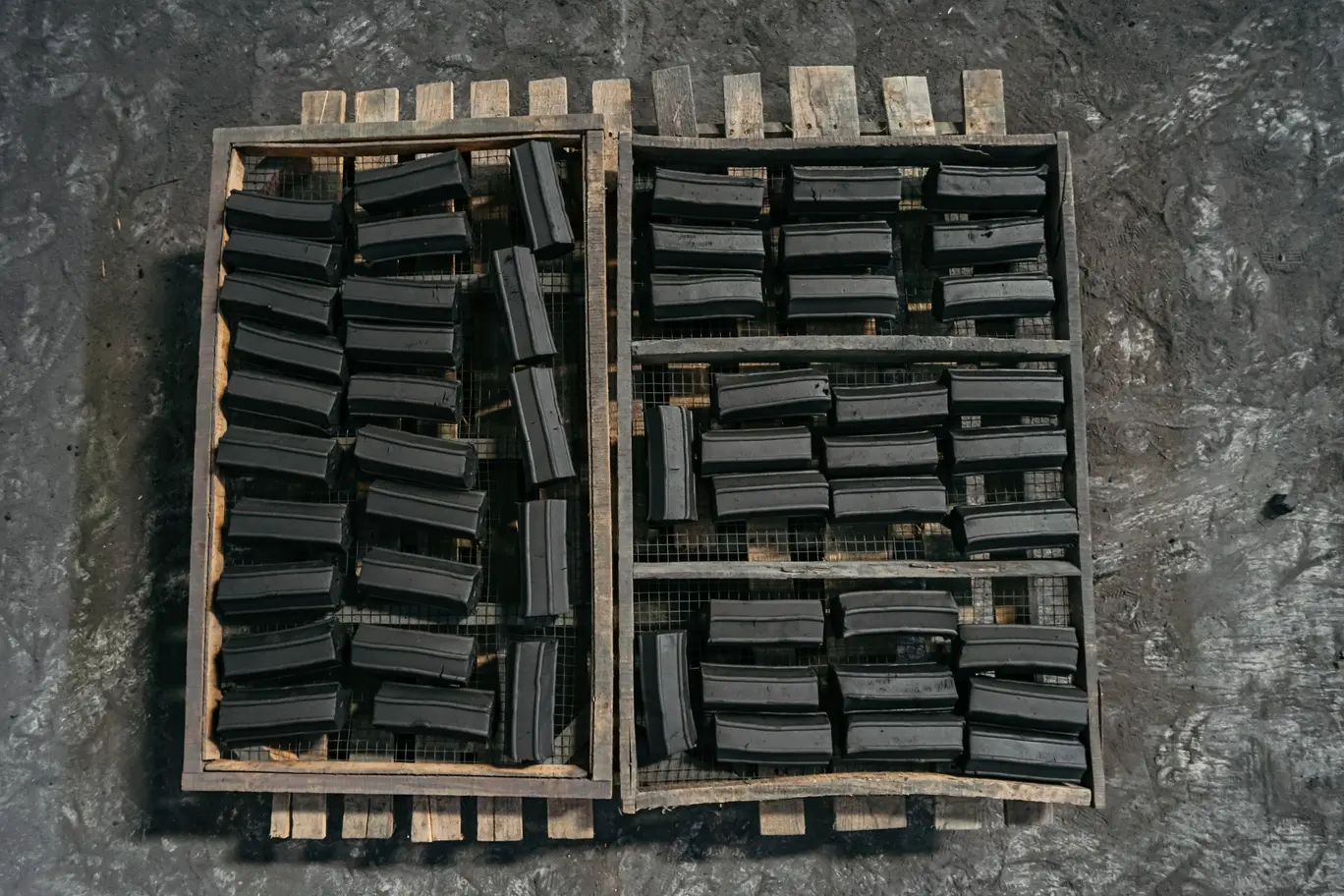
The core distinction
The useful window ends before the stopwatch necessarily stops.
Total burn time follows a charge from the defined start event to a terminal condition such as extinction or no visible glow. It may include ignition, preheat, productive cooking, weak tail-end heat, and residual embers.
Usable-heat duration counts only the period in which the agreed cooking requirement is maintained. For restaurants and caterers, that narrower window is usually more commercially meaningful than admiring a heroic ember that can no longer cook dinner.
One charge, seven phases
Separate the heat timeline before comparing duration.
Record every candidate under the same fuel mass, geometry, appliance, airflow, ignition procedure, arrangement, tending rules, measurement point, weather, and endpoints.
Clock start, starter, exposure, smoke, odor, sparks, and the agreed ready-to-use point.
How much time and labor pass before cooking can begin?
Time from ready-to-use fuel to the required grate, chamber, or cooking-zone condition.
Can the appliance reach the operating target on schedule?
Temperature or agreed heat indicator at fixed intervals while the threshold is maintained.
How long can the charge perform the buyer's actual cooking job?
Heat immediately before loading, lowest point after loading, and time to recover to the target.
Does the fuel remain operational under a real service disturbance?
Time, added mass, tending, smoke, temperature dip, recovery time, and reason for intervention.
How much extra fuel and operator attention are needed?
Time below the useful threshold, remaining glow, residual fuel, and shutdown or disposal point.
How much headline duration cannot be converted into useful service?
The separately defined terminal condition: no glow, extinction, or another agreed endpoint.
Useful for completeness, but not a substitute for cooking performance.
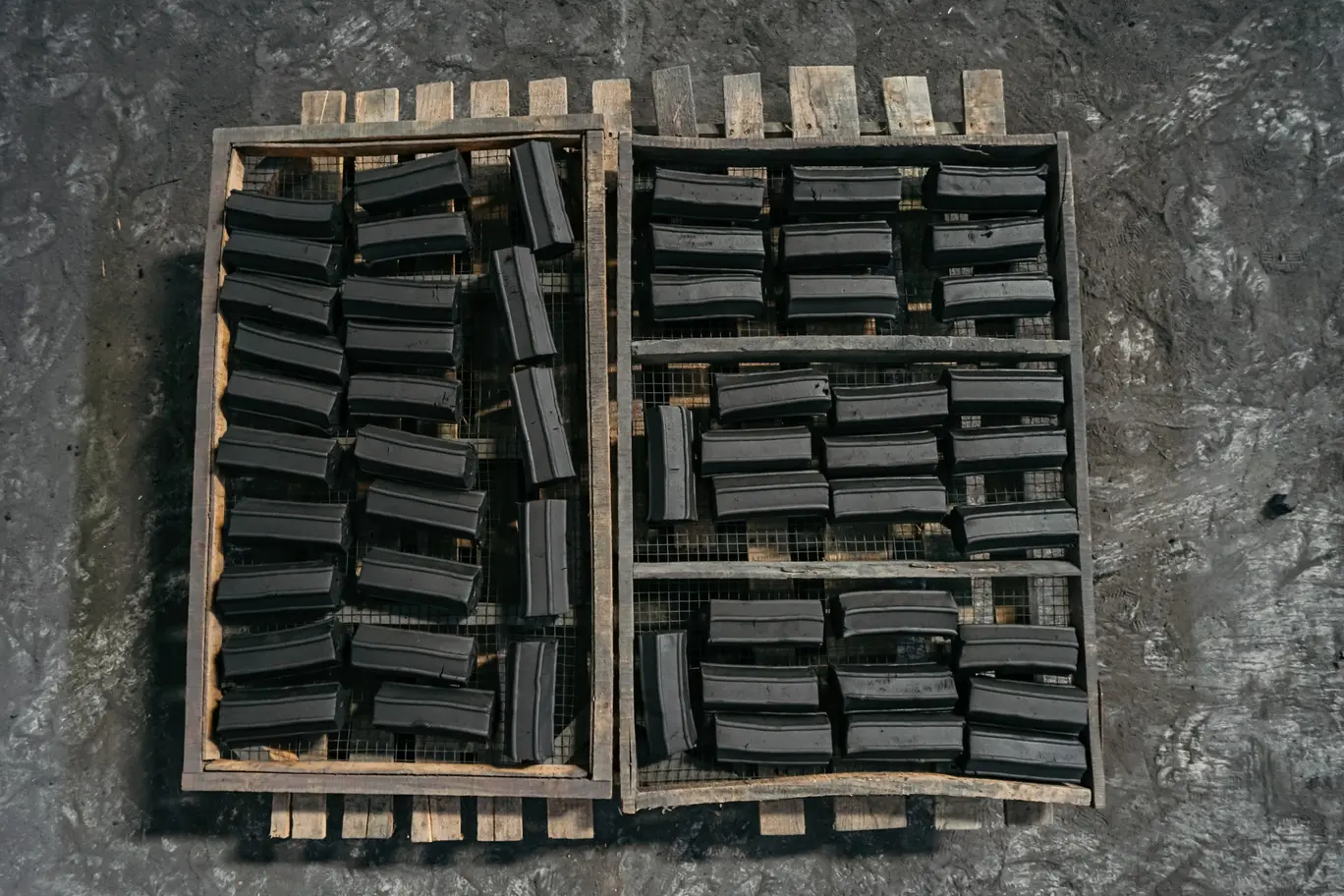
Simple time-series worksheet
Record what the fuel can do at each interval.
Elapsed time
Enter: 00:00, then fixed intervals
Control: Use one timing start point across candidates.
Use the recorded useful hours to calculate BBQ charcoal cost per cooking hour with weighed fuel, refills and a clear cost basis.
Heat reading
Enter: Temperature or agreed indicator
Control: Fix the measurement location and instrument.
Use the recorded useful hours to calculate BBQ charcoal cost per cooking hour with weighed fuel, refills and a clear cost basis.
Service status
Enter: Preheat / cooking / recovery / refill / tail end
Control: Shows what the heat was doing commercially.
Use the recorded useful hours to calculate BBQ charcoal cost per cooking hour with weighed fuel, refills and a clear cost basis.
Food load
Enter: Mass, type or simulator, and loading time
Control: A different load creates a different recovery challenge.
Use the recorded useful hours to calculate BBQ charcoal cost per cooking hour with weighed fuel, refills and a clear cost basis.
Intervention
Enter: Vent change, turning, consolidation, ash clearing, or added fuel
Control: Unrecorded tending can manufacture a better profile.
Use the recorded useful hours to calculate BBQ charcoal cost per cooking hour with weighed fuel, refills and a clear cost basis.
Visible behavior
Enter: Glow, flame, smoke, odor, sparks, cracks, collapse
Control: Keeps operational drawbacks beside the heat result.
Use the recorded useful hours to calculate BBQ charcoal cost per cooking hour with weighed fuel, refills and a clear cost basis.
Threshold status
Enter: Above / below, plus allowed grace period
Control: Creates a reproducible useful-heat endpoint.
Use the recorded useful hours to calculate BBQ charcoal cost per cooking hour with weighed fuel, refills and a clear cost basis.
Deviation
Enter: What changed, when, why, and likely effect
Control: Prevents a compromised run from posing as a clean comparison.
Use the recorded useful hours to calculate BBQ charcoal cost per cooking hour with weighed fuel, refills and a clear cost basis.
Buyer economics
Translate the heat profile into operating consequences.
A buyer comparing restaurant or catering fuel should connect time, fuel mass, service output, interventions, labor, and waste. Total glowing duration alone does not calculate value.
- 01
Minutes to service readiness
Count ignition and preheat against labor, opening time, and fuel preparation—not against cooking output.
- 02
Useful heat per fuel charge
Measure the interval in which the agreed operating requirement is actually maintained.
- 03
Recovery after loading
Record the depth and duration of the heat drop after a standardized food load or agreed simulator.
- 04
Refill mass and frequency
Track added charcoal separately; a long service window rescued by repeated refills is not a single-charge result.
- 05
Tail-end loss
Record remaining time, glow, and residual fuel after the useful threshold fails or service ends.
- 06
Fuel per useful hour
Compare fuel consumed against useful cooking time, not merely against elapsed glow time.
Duration-claim red flags
Six ways a long burn-time claim can hide weak service value.
These flags do not prove that a charcoal is poor. They show that the claim is incomplete or not directly comparable.
The last ember wins
Weak residual glow is counted as equivalent to stable cooking heat.
Use the recorded useful hours to calculate BBQ charcoal cost per cooking hour with weighed fuel, refills and a clear cost basis.
No functional threshold
The claim never states what temperature or operating condition defines usable heat.
Use the recorded useful hours to calculate BBQ charcoal cost per cooking hour with weighed fuel, refills and a clear cost basis.
Food is absent
An unloaded grill profile is presented as proof of recovery during commercial service.
Use the recorded useful hours to calculate BBQ charcoal cost per cooking hour with weighed fuel, refills and a clear cost basis.
Refills disappear
Added charcoal and tending are omitted from the reported duration.
Use the recorded useful hours to calculate BBQ charcoal cost per cooking hour with weighed fuel, refills and a clear cost basis.
Shutdown waste is ignored
Fuel still glowing after service is credited as value even when it cannot be used.
Use the recorded useful hours to calculate BBQ charcoal cost per cooking hour with weighed fuel, refills and a clear cost basis.
Conditions are missing
Fuel mass, geometry, appliance, airflow, weather, arrangement, and endpoint are not disclosed.
Use the recorded useful hours to calculate BBQ charcoal cost per cooking hour with weighed fuel, refills and a clear cost basis.
Before supplier approval
Write the service requirement before lighting the sample.
Define the heat threshold, measurement point, allowed dip, food or simulator load, recovery target, useful-window endpoint, refill policy, shutdown time, and acceptance rule. Then run every candidate under the same controlled protocol.
A result describes the identified sample in the stated setup. It does not automatically represent a production lot or future shipment. The Unimax statement “burns up to six hours” must be read with its test conditions and endpoint; this page does not convert it into a guaranteed six-hour cooking window.
Usable-heat FAQ
Measure the period that can actually support service.
Comparable conditions and pre-agreed endpoints turn an attractive duration claim into useful procurement evidence.
01What is usable heat in a BBQ charcoal test?+
Usable heat is the period when the fuel charge meets a buyer-defined cooking requirement, such as an agreed temperature or functional heat indicator at a fixed measurement point. The threshold, allowed dip, and endpoint must be written before testing.
02Is total burn time the same as cooking time?+
No. Total burn time may include ignition, preheat, weak tail-end heat, and residual glow after the charge can no longer meet the cooking requirement. These phases should be recorded separately.
03Why should buyers record recovery after loading food?+
Loading food removes heat and changes airflow. Recording the lowest point and recovery time shows whether a charcoal charge can handle a realistic service disturbance, not only maintain an empty-grill temperature.
04Should refilled charcoal count toward the original burn time?+
Not as a single-charge result. Record refill time, added mass, tending, smoke, temperature dip, and recovery separately so buyers can compare total fuel consumption and operator workload.
05Does a longer usable-heat window always mean lower operating cost?+
Not automatically. Buyers should also consider fuel mass, ignition and preheat losses, refill consumption, service output, ash handling, labor, and shutdown waste. The relevant comparison is the complete operating result under matched conditions.
06Does this page guarantee a six-hour Unimax cooking window?+
No. The published Unimax BBQ product page states burn time up to six hours, but a result depends on test conditions and endpoint. Confirm the product-specific sample, method, useful-heat requirement, and acceptance route for the proposed order.
Test the real job
Compare BBQ Charcoal Against Your Service Window
Send the appliance, fuel charge, preheat target, cooking threshold, food-load recovery requirement, refill policy, service duration, destination, and sourcing stage.
Discuss it on WhatsAppUse the recorded useful hours to calculate BBQ charcoal cost per cooking hour with weighed fuel, refills and a clear cost basis.