
Shisha buyer guide · Article 170
Evidence to Collect for a Shisha Charcoal Quality Claim
Connect the approved requirement to identified goods, a documented finding and a clear affected scope. Preserve original packs, sampling details and comparable test evidence so the parties can investigate without guessing at the cause.
01 · Approved requirement
Start with the requirement the shipment was meant to meet.
Shisha charcoal quality claim evidence should connect a specific finding to an identified shipment and an approved requirement. Collect the contract or purchase order, accepted specification revision, packaging approval and relevant written changes. State which requirement appears unmet, rather than relying only on descriptions such as poor quality.
Keep the approved sample reference, evaluation report and any agreed retained reference with the file. Record what the sample approval covered and the test conditions used. A favorable sample is not a complete shipment acceptance rule unless the parties have defined its role.
This guide is an evidence framework for buyer–supplier review. It does not set claim deadlines, determine liability or promise a remedy. Confirm the notification process, review responsibilities and available records for the actual order.
02 · Shipment identity and timeline
Tie every observation to the goods and their handling history.
Record the order, invoice and packing-list references, product grade, available lot codes, carton identifiers and quantities. Include container and seal numbers, the relevant transport reference and available loading evidence. Explain any gap between the sample, carton and lot identifiers instead of filling it with an assumption.
Build a timeline covering arrival, delivery, seal opening, unloading, warehouse receipt, discovery, sampling and notification. Include locations and people involved. Distinguish contemporaneous notes from later recollections.
Preserve initial container and cargo-condition photos, receiving counts and discrepancy notes. An intact seal does not prove product conformity, while a discrepancy in the seal record needs investigation rather than an automatic conclusion about the cause.
03 · Photos, video and original packs
Preserve context as well as close-ups.
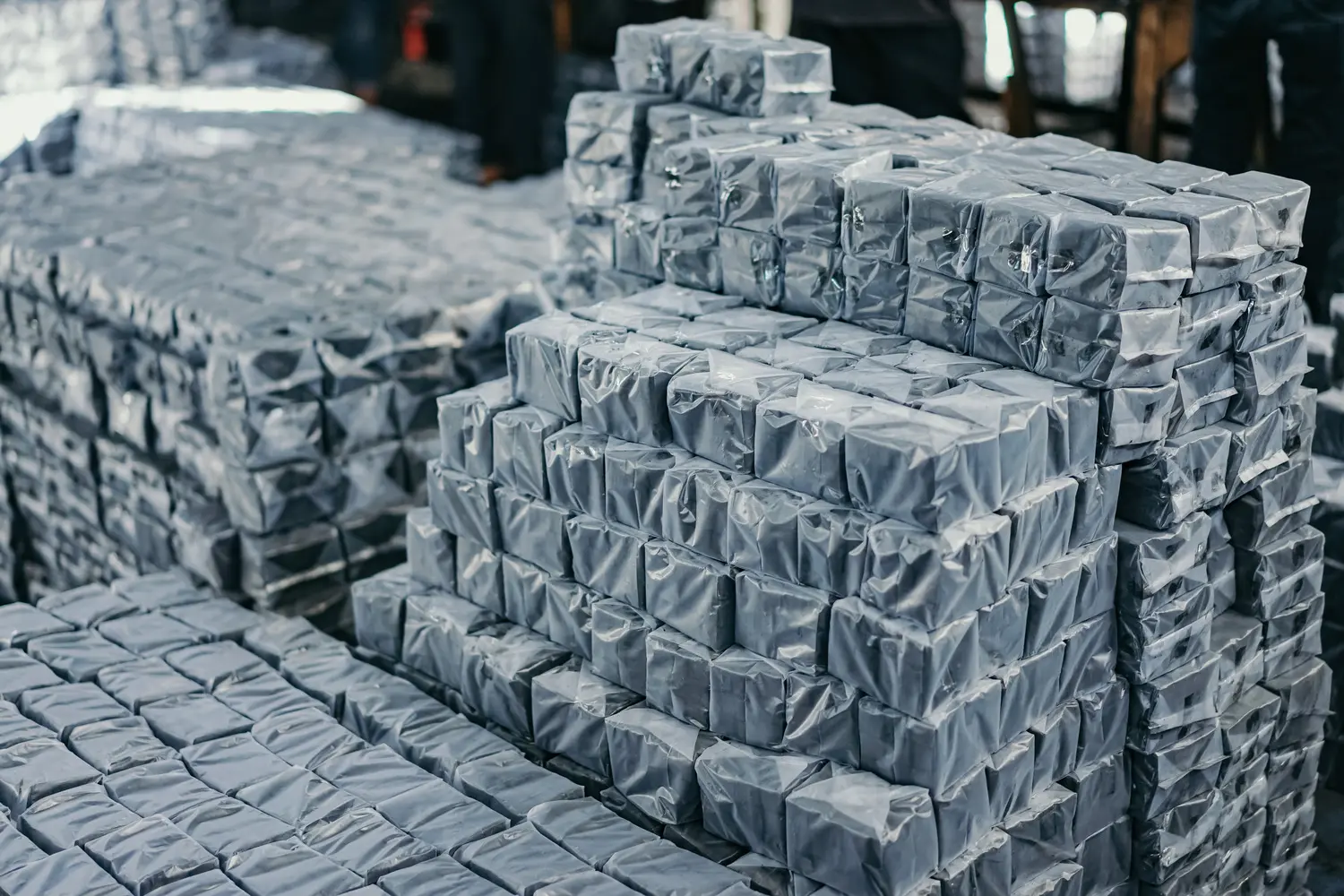
Photograph the shipment overview, readable carton or lot marks, affected positions, outer packaging, inner-pack closures and the product finding. Pair close-ups with wider views that show which unit is being examined. Keep original files with their recorded context; use annotated copies for explanation.
For video, capture a continuous identified opening or measurement where practicable, showing the pack reference, starting condition and method. A short clip of loose cubes without identity or selection context has limited value for a whole-shipment conclusion.
Keep identified unopened packs from the affected scope and suitable comparison stock where available. Preserve damaged packaging and representative samples under an agreed arrangement. If goods must be moved, repacked or otherwise protected, document their condition first where practicable and record the changes.
04 · Sampling and affected quantity
Separate the observed finding from the estimated extent.
Record how cartons and packs were selected, how many were examined and which lots or positions they represent. Keep targeted checks of suspect cartons separate from an agreed representative selection. A damaged-only selection can show a defect, but cannot by itself estimate a shipment-wide rate.
For breakage or fines, identify the counting or weighing basis and denominator. For net quantity, identify the scale, packaging tare, sample selection and actual readings. Use the agreed dimension tools and measurement points when a size discrepancy is involved.
Show confirmed affected quantity, inspected quantity, quantity held pending review and any estimated wider exposure separately. Label an estimate as an estimate and explain its basis. Do not turn one failed pack into a claim that every carton is affected, or one good pack into clearance of the rest.
05 · Comparable tests and independent findings
Make the result reproducible enough to review.
Include the tested sample identifier, selection and handling history, test date, method, equipment or setup, reporting basis, raw readings where available and acceptance criterion. Keep a field observation separate from a laboratory property. A specification target is not a batch measurement.
When comparing a complaint sample with an approved or retained reference, record differences in storage, sample condition, ignition procedure, airflow, fuel quantity and evaluation endpoint where relevant. An unmatched comparison may identify a question without establishing a like-for-like failure.
If a third party inspects or tests, agree the scope and sample selection in advance where practicable. Preserve its actual report, methods, sample references, findings and stated limitations. An independent observation strengthens the file within its scope; it does not automatically establish cause, responsibility or entitlement.
Agree any further sampling before consuming or discarding the available evidence. Record transfers of samples, who holds them and what material remains available for joint review.
06 · Issue categories and storage history
Keep product, packaging and transit observations distinct.
Use separate issue entries for a measured product deviation, an incorrect or damaged pack, and a transport or handling observation. Link related entries without assuming they share one cause. For example, wet cartons and a moisture test result are different evidence points that need sample and location linkage.
Record warehouse location, time in storage, handling and repacking history, visible exposure and any available environmental records. State when a condition was first observed and whether a recorded measurement exists. Do not invent historical humidity readings or attribute an issue to transit simply because it was discovered after arrival.
Compare the arrival record with available pre-shipment, loading and factory evidence. List facts, possible explanations and missing evidence in separate fields. PT Unimax Pro Indonesia has equity ownership and operational control in the production facility. This supports coordination of follow-up but does not imply 100% ownership, zero variation or availability of every proposed batch record.
07 · Notification and review
Send a defined issue file and keep the decision history.
Notify the designated supplier contact and relevant logistics or quality contact through the agreed process. Include the order and shipment identity, discovery date, requirement reference, concise finding, confirmed affected quantity, held scope and evidence index. Identify pending results and the next review requested.
Ask the parties to confirm receipt, a review contact, further evidence needed and the proposed inspection or sampling step. Preserve the original notice and dated follow-up. A request for investigation is clearer when it separates the observed discrepancy from a proposed commercial resolution.
Keep unresolved stock identified and record decisions on release, continued hold, further checks or any agreed resolution with their precise scope and authorized reviewer. Preserve original findings alongside later corrections. Use verified conclusions to improve the approved baseline and repeat-order process before the next production run.
Buyer tool
Quality claim evidence checklist
Use this evidence index for each separate issue. Add the order, issue ID, requirement revision, evidence filename, represented quantity, custodian, reviewer and next action. Mark missing items explicitly.
| Control point | Evidence to confirm | Decision note |
|---|---|---|
| Approved baseline | Order, specification, sample and packaging revisions | Which exact requirement is disputed? |
| Identity and timing | Lot/carton IDs, container/seal, receipt and discovery timeline | Can each finding be linked to identified goods? |
| Original condition | Overview and close-up files, opening video, unopened packs | What changed after discovery? |
| Selection and extent | Selection method, inspected quantity, confirmed defects and held scope | Is an estimated extent clearly labeled? |
| Measured results | Readings, tools, tare, test method and reporting basis | Are comparisons method-compatible? |
| Third-party review | Scope, sample transfers, report and limitations | What does the report actually establish? |
| Issue and storage history | Product/pack/transit entries and documented handling | Which causes remain unverified? |
| Notice and decision | Dated notification, evidence index, reviewer and next step | What is pending, held or agreed? |
Keep observed facts, possible causes and proposed resolutions separate. Record confirmed affected quantity and estimated exposure separately, with the basis for each estimate.
Questions buyers ask
Are photos enough to support a technical quality claim?
Photos help establish visible condition and identity. Technical properties require the relevant measurements, test method and sample linkage. Keep both kinds of evidence.
Does one failed carton establish the affected shipment quantity?
No. Record the inspected scope and confirmed finding. Wider estimates need an explained selection basis and should be labeled as estimates.
Does an independent report decide responsibility?
Its findings apply within the reported scope and limitations. Cause, responsibility and any resolution require review of the relevant evidence and agreed terms.
Agree the baseline before production.
Send your company, destination, grade and cube requirements, estimated volume, packaging need and timing. Ask Unimax to confirm current product information, the approved baseline and the quality-evidence requirements and repeat-order process available before production.
Discuss quality evidenceReview factory and quality evidence · About PT Unimax Pro Indonesia · Shisha charcoal · Contact
Related buyer guides
Pre-shipment inspection checklist
Quality control before packing
Match the approved sample to production · Repeat-order change control · Batch records for buyers