
Importer packaging and logistics guide
How to Plan BBQ Charcoal Production Lead Time
Start with the date the goods must reach your warehouse. Then work backward through transport, cargo release, production and buyer approvals. Unimax confirms lead time for the actual order and schedule.
Approval gatesFactory readinessArrival planning
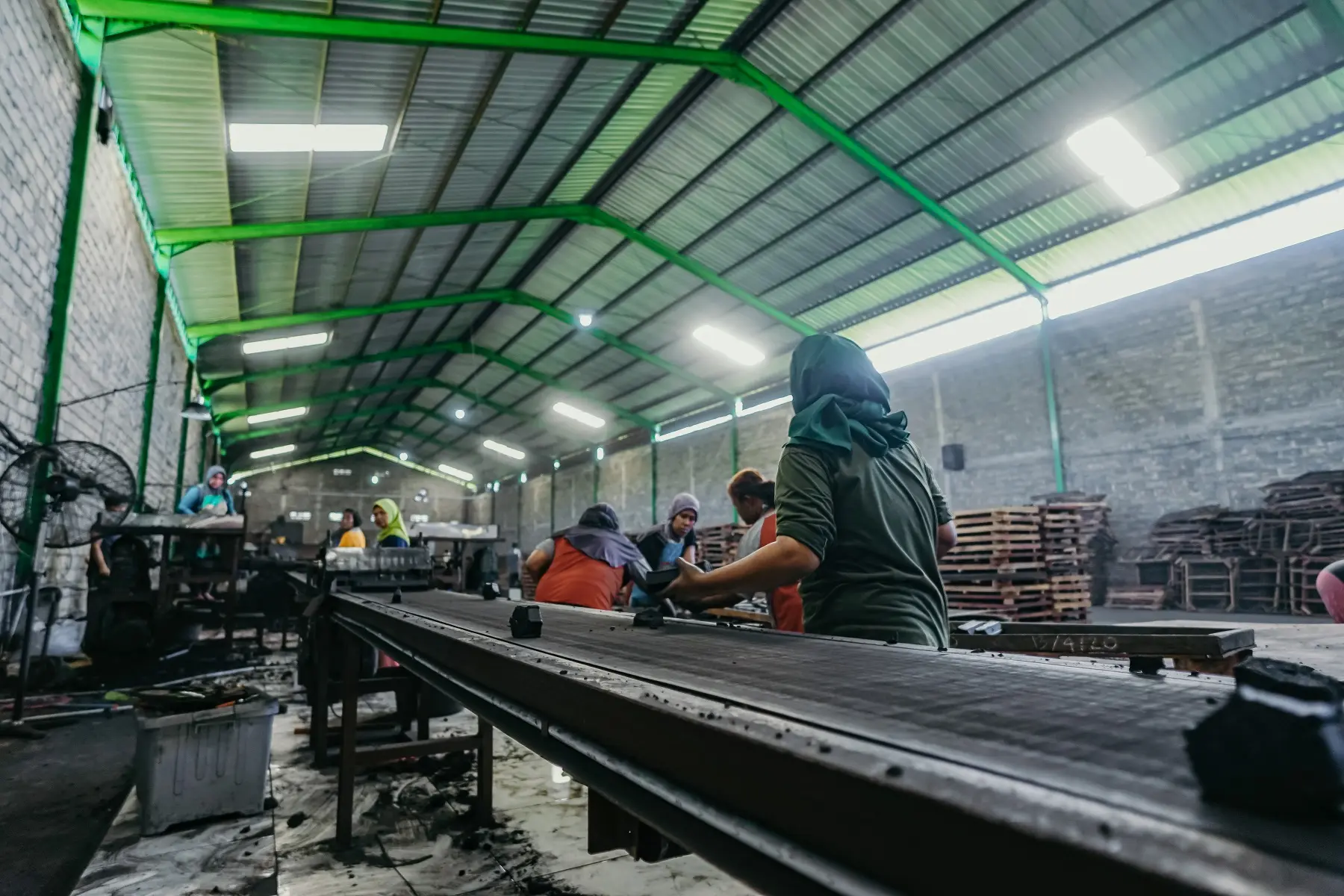
BBQ charcoal production lead time
A production date is only part of the arrival plan.
For an importer planning stock or a product launch, the useful question is when the goods can reach the receiving location. Production completion, cargo readiness, vessel departure, port arrival and warehouse delivery are separate milestones. An estimated sailing date does not confirm the final delivery date.
Define what “lead time” starts and ends with in each response. Does the factory estimate begin at product approval, order release or packaging readiness? Does it end when production finishes or when cargo is released for loading? A number without these boundaries is difficult to use.
Unimax lead time is confirmed per order and schedule. The framework below is a planning checklist, with no fixed production duration or guaranteed arrival window.
Charcoal order timeline
Eight stages to review together.
| Stage | Milestone to agree | Dependency to check |
|---|---|---|
| Product approval | Agree product, specification, sample identity and acceptance criteria. | Buyer evaluation and a recorded approval. |
| Packaging and artwork | Approve pack structure, net weight, label wording, SKU list and print files. | Product dimensions and buyer label review; final material approval. |
| Material procurement | Confirm availability and readiness of product inputs and packaging. | Approved requirements and supplier-confirmed purchasing arrangements. |
| Production | Confirm the production window and completion milestone for this order. | Materials, order-release conditions and the reviewed factory schedule. |
| QC and release | Complete agreed checks and resolve findings before release. | Identified finished lot, inspection scope and acceptance decision. |
| Documents and booking | Prepare agreed records and review carrier, route and booking requirements. | Confirmed shipment details; relevant parties’ review and cut-offs. |
| Loading and departure | Coordinate cargo readiness, handover, loading and vessel departure. | Released cargo, booking, required records and operational cut-offs. |
| Sailing, clearance and inland delivery | Track the shipment through destination release to the receiving location. | Transport updates, broker readiness and local delivery arrangements. |
Product approval
Freeze the product before promising the launch.
Record the approved format, dimensions, specification, sample identity and evaluation outcome. For Unimax’s current BBQ range, review the coconut charcoal briquette requirement and confirm the proposed hexagonal product for the order.
If testing or customer approval remains open, put it on the schedule with a decision owner. Do not treat a sample dispatch date as a product approval date. Use the sample-to-production matching guide to keep the approval connected to the product to be supplied.
Private label charcoal lead time
Artwork is a release gate, not a finishing touch.
Agree pack structure, net weight, carton configuration, label wording, printing and SKU scope. Ask who approves the final artwork, how that approval is recorded and when packaging materials need to be ready.
Draft artwork review and logistics planning may overlap with product evaluation. Final printing or procurement may still depend on approved product and pack details. Ask which activities can proceed provisionally and which need a firm release.
Follow the private-label sample-to-shipment workflow. A late change to dimensions, wording or pack quantity should trigger a schedule review before it becomes a launch-date problem.
Materials, production and QC
Confirm readiness and release separately.
Ask Unimax to review input and packaging readiness, order-release conditions and the actual production window. A general statement about factory capacity is not a reserved slot for your order. Keep the quantity and pack assumptions attached to the schedule.
Define production completion separately from quality release. The plan should allow the agreed inspection, record review and resolution of findings before shipment release. Do not shorten or omit an agreed check just to preserve an earlier target date.
Assign someone to confirm each milestone. Record the date, evidence and any open issue, rather than marking a stage complete from an informal progress message alone.
Charcoal shipment planning
Plan documents and booking before cargo is ready.
Give the forwarder and supplier the destination, delivery scope, product and packing details early. Ask the relevant parties to confirm booking requirements, cargo and document cut-offs, handover arrangements and the proposed route for this shipment.
Prepare document drafts where feasible, then complete them using confirmed shipment information. Separate draft preparation, review and final issuance. A booking request is not a confirmed booking, and a booked departure remains a transport estimate subject to operational updates.
Track loading, departure, destination clearance and inland delivery as distinct events. Ask your broker and receiving team what they need before arrival. Confirm current shipment requirements with the parties handling the actual cargo.
Backward planning and buffers
Make uncertainty visible in the schedule.
Begin with the latest acceptable warehouse arrival date. Work backward through inland delivery and clearance, transport, loading and cargo readiness, then through QC, production, material readiness and approvals. Ask each responsible party for its planning window and assumptions.
Do not add every activity as though it must happen one after another. Some preparation can overlap; the chain of dependent approvals and release steps determines the earliest feasible completion. Keep that chain visible and avoid counting the same contingency twice.
Use separate buffers for uncertainties such as buyer approval revisions, inspection follow-up, route changes or destination handling. Size them using order-specific information and your tolerance for stock interruption. A buffer is a planning allowance, not a supplier promise.
For seasonal launches, share the campaign and stock deadlines early and ask whether the proposed factory and freight windows are feasible. If they are not, review the launch, pack scope or order phasing with the supplier before committing.
Importer planning checklist
Build a schedule you can update.
For every milestone, record its owner, target date, current status, dependency and next review date. Label requested, estimated and confirmed dates clearly.
- 01
Start at the receiving warehouse
Write the latest acceptable arrival date, receiving location and any launch or stock-out deadline.
- 02
Work backward through confirmed stages
Ask the forwarder, broker and supplier for their respective planning windows, assumptions and cut-offs.
- 03
Identify the approval gates
Assign an owner and due date to product approval, artwork, packing, inspection and document decisions.
- 04
Separate work that can overlap
Draft documents or review logistics in parallel where feasible; retain the gates needed before final release.
- 05
Add visible contingency
Allocate buffer to uncertain stages based on the actual route, approval risk and stock plan. Avoid hiding it in one total.
- 06
Review every material change
Reconfirm dependent milestones when the quantity, product, pack, artwork, route or approval date changes.
When the plan changes
Replan the dependent milestones.
If artwork approval slips, ask which packaging and production dates change. If QC identifies an issue, obtain the proposed resolution and revised release estimate. If transport changes, update destination and warehouse assumptions with the forwarder and broker.
For a repeat order, confirm that product, artwork, packaging and shipment scope still match the approved version. Reusing approvals can reduce decisions to make, but it does not automatically confirm material availability or the next production window.
Keep a dated schedule revision and tell each affected party what changed. Before seeking an order-specific response, use the BBQ charcoal RFQ checklist to provide the product, volume and delivery scope.
Production lead-time questions
What is Unimax’s standard BBQ charcoal lead time?
The feasible timeline is confirmed for the order and current schedule. Provide product, quantity, pack, approval status and required arrival date so the review has a defined scope.
Does production completion mean the goods are ready to sail?
No. Quality release, shipment records, booking and loading arrangements need their own milestones and confirmation.
Can a private-label reorder use the previous timeline?
Use it as a reference, then reconfirm approvals, materials, factory scheduling and transport for the new order.
How much buffer should an importer add?
There is no universal allowance in this guide. Review the uncertain stages with the responsible parties and align the contingency with your launch and stock requirements.
Share the required arrival date
Plan backward from when you need the stock.
Send the receiving location, required arrival date, product, initial volume, packaging and approval status. Unimax can review the order-specific dependencies and proposed schedule with you.
Connect the order-to-usable-stock schedule to demand using the imported BBQ charcoal reorder-point guide.