
BBQ charcoal private label
Private Label BBQ Charcoal: From Sample to Shipment
Turn one approved BBQ charcoal concept into an order-controlled product, pack, production lot, and shipment—without letting silent changes hide between the sample bag and the container door.
Stage-gated approvalsRevision controlShipment-linked evidence
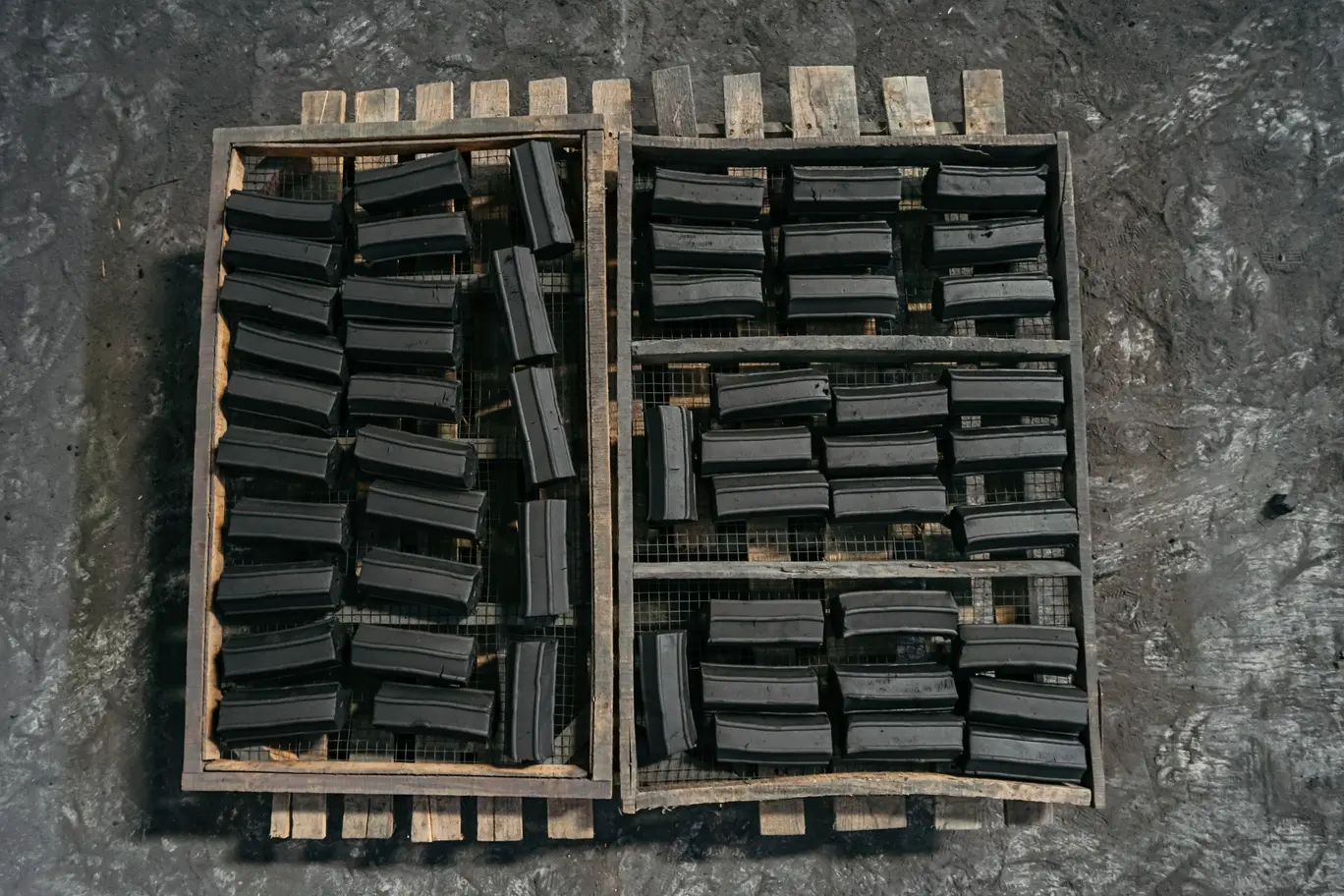
The core rule
Every gate needs an input, an owner, a decision, and a controlled output.
A private-label project is two products moving together: the charcoal the customer burns and the pack the customer sees. Both must point to the same approved identity, order, revision, and acceptance basis.
If a decision exists only in chat history, memory, or an unlabeled attachment called “final-final-2.pdf,” it is not controlled. It is merely optimistic archaeology waiting for a dispute.
Ten stage gates
Move forward only when the previous output is usable.
The sequence can overlap operationally, but approvals should not leapfrog their dependencies. Artwork cannot lock an unconfirmed net weight; production cannot follow an unresolved specification.
- 01
Project brief
Define destination, intended use, briquette shape and dimensions, grade, target specification, pack architecture, estimated volume, artwork status, and timing.
Gate output: Controlled brief and open-issue list
Control: Do not quote a generic pack as though every market, product, and print route were identical.
- 02
Representative sample
Identify the sample, production source, product version, dimensions, packing condition, dispatch details, and tests the buyer will run.
Gate output: Traceable sample and test plan
Control: A courier bag of anonymous charcoal is not an approval reference.
- 03
Sample approval
Record methods, results, deviations, acceptance criteria, decision scope, conditions, retained samples, and the next commercial gate.
Gate output: Signed, bounded approval report
Control: Approval of a sample does not automatically approve a production lot or shipment.
- 04
Product freeze
Convert the approved product into a controlled specification covering material, grade, geometry, tolerances, performance criteria, defects, methods, sampling, and remedies.
Gate output: Order-linked product specification
Control: Verbal phrases such as “same quality as sample” are too vague to police.
- 05
Packaging freeze
Confirm net weight, inner material and seal, pack count, carton construction, dimensions, labels, shipping marks, pallet or floor-loading plan, and destination requirements.
Gate output: Approved packaging specification
Control: Artwork approval does not prove the carton protects the product.
- 06
Artwork approval
Verify dieline, mandatory text, product identity, net weight, importer details, barcodes, symbols, colors, print proof, revision, and approval authority.
Gate output: Dated artwork master and print proof
Control: A pretty PDF can still contain the wrong weight, barcode, language, or product claim.
- 07
Production release
Issue the purchase order only after product, packaging, artwork, quantity, commercial terms, inspection scope, evidence list, and change-control rule agree.
Gate output: Released order pack
Control: Production should not begin while critical fields are still marked ‘to be decided’.
- 08
Production and QC
Link incoming material, production lot, in-process checks, finished-product sampling, test methods, results, pack checks, defects, and corrective actions to the order.
Gate output: Lot-linked QC and conformity evidence
Control: Factory photos show activity; they do not prove the named lot passed the buyer’s criteria.
- 09
Pre-shipment release
Review quantity, carton count, markings, packing condition, moisture protection, inspection results, retained samples, documents, container condition, and loading plan.
Gate output: Buyer release or documented hold
Control: Loading first and discussing failed evidence later is logistics doing quality control’s job badly.
- 10
Loading and handover
Record container identity and condition, liner or protection where agreed, carton sequence, loading count, seal, exceptions, final documents, and custody handover.
Gate output: Shipment evidence pack
Control: Loading photographs support identity and sequence; they do not certify product performance by themselves.
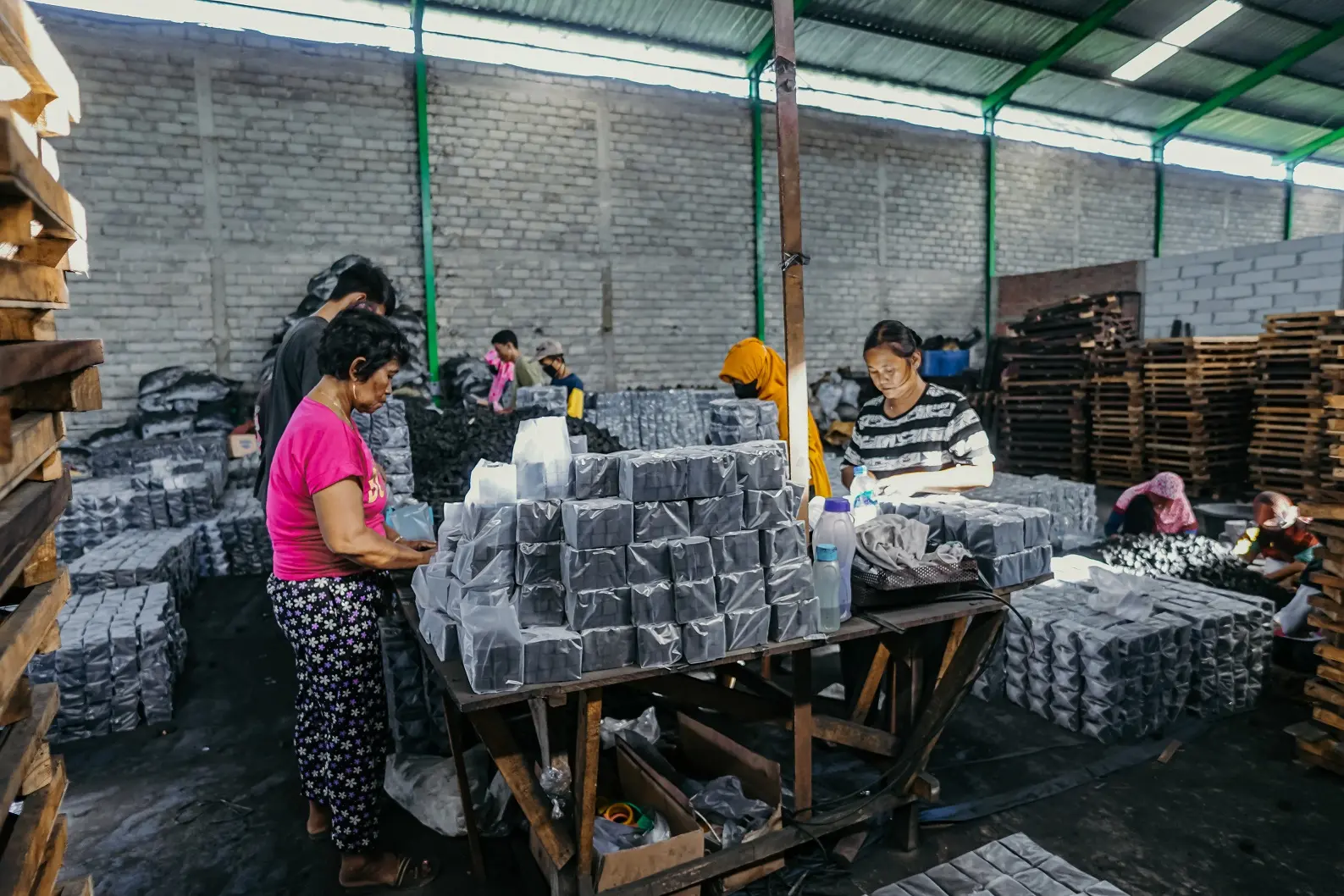
One controlled order file
Six records should tell the same story.
Approved product reference
Sample ID, retained portions, product code, grade, shape, dimensions, unit mass or tolerance where agreed, and approval scope.
Technical acceptance basis
Specification, test methods, reporting basis, sampling, defect classes, pass/fail rule, retest path, and remedy.
Packaging master
Inner pack, net weight, sealing, pack count, outer carton, dimensions, strength requirement, marks, labels, palletization or loading configuration.
Artwork master
Dieline, revision, language, claims, barcode, legal text, colors or references, proof, approver, and approval date.
Commercial order
Purchase order, quantity, destination, Incoterm or agreed delivery basis, payment milestones, schedule, inspection, document list, and authorized contacts.
Production and shipment file
Lot records, QC results, deviations, release, carton count, container inspection, loading evidence, seal, packing list, and final document set.
Re-approval triggers
“Small change” is not a useful risk category.
Classify a change by what it can affect, not by how casually somebody describes it. Record the reason, affected documents, risk review, required evidence, approver, and effective order.
Product
Raw material, formula, grade, shape, cross-section, hole, length, tolerance, density, or performance target.
Packaging
Film, bag, seal, net weight, pack count, carton board, dimensions, dividers, liner, tape, or loading pattern.
Artwork
Claims, language, barcode, legal text, color, dieline, marks, importer details, or revision.
Process and evidence
Production site or line, test method, sampling, inspection scope, laboratory, release rule, or retained-sample plan.
Commercial and logistics
Quantity, destination, schedule, delivery basis, container type, route, documentation, or responsible party.
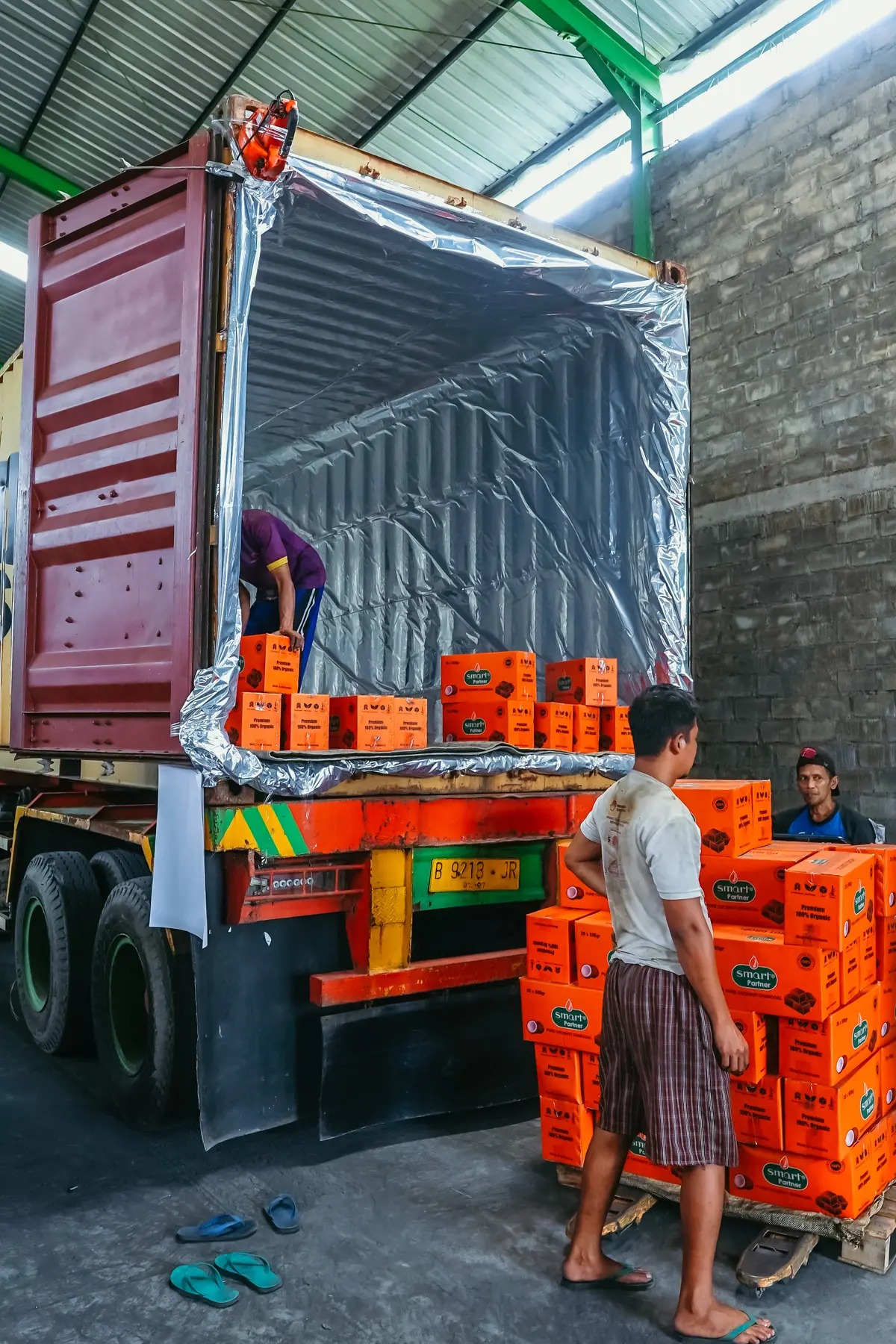
Shipment release
The container door should close after the decision—not before it.
Release or hold
Confirm the named lot, quantity, inspection and QC status, approved packaging revision, carton marks, unresolved deviations, container plan, and decision authority.
Identity and count
Record container condition and identity, protection where agreed, carton appearance, loading sequence, count reconciliation, exceptions, and seal.
Evidence handover
Issue the agreed photographs, records, packing list, seal and container references, certificates or test reports, and any final discrepancy note.
Private-label workflow FAQ
Questions to settle before time and cartons become expensive.
The safest correction is the one made while the project is still a controlled file, not twenty tons of finished goods.
01What should be approved first: BBQ charcoal or packaging artwork?+
Approve the product direction and pack architecture first. Final artwork depends on the confirmed product identity, net weight, pack dimensions, claims, destination information, and printing route. Designing the box before those inputs are stable is an efficient way to pay for revisions twice.
02Does an approved BBQ charcoal sample guarantee the commercial shipment?+
No. Sample approval creates a bounded reference for the stated product and use. Production and shipment still require lot identity, order-linked specifications, agreed sampling and test methods, packaging checks, release evidence, and change control.
03When should MOQ and lead time be confirmed?+
After the product, pack format, outer carton, printing or labeling route, artwork status, quantity, destination, and schedule have been reviewed. This guide does not publish a universal MOQ or lead time that may not apply to the project.
04Can the supplier change packaging material after artwork approval?+
Not silently when the material is part of the approved packaging specification or could affect protection, sealing, appearance, labeling, loading, or compliance. Record the change, assess its impact, and obtain the level of re-approval agreed for the order.
05Which evidence should a buyer receive before loading?+
The exact package depends on the contract, but commonly includes order identity, lot and quantity references, agreed QC or inspection results, packaging and marking checks, open-deviation status, release decision, container-condition record, and the planned loading evidence.
06Does Unimax provide one fixed private-label workflow for every buyer?+
No. This page is a control framework. The actual product, MOQ, artwork route, packaging, tests, inspection, records, schedule, shipment terms, and responsibilities must be confirmed for the proposed order.
Scope and responsibility
This framework does not replace the order agreement.
Product claims, packaging text, destination compliance, barcodes, importer information, testing, inspection, Incoterms, payment, insurance, shipping documents, and regulatory responsibilities must be assigned for the actual transaction.
For an Unimax project, MOQ, printing route, available evidence, production timing, loading configuration, and document package are confirmed after the product and packaging brief are reviewed. This page does not promise one universal workflow or commercial term for every buyer.
Start with controlled inputs
Send the product, market, pack concept, stage, and estimated volume.
Unimax can review the proposed BBQ charcoal and packaging route, then confirm the project-specific questions that must be closed before sample, quotation, artwork, production, or shipment.