
Shisha buyer guide · Article 211
How to Sample Shisha Charcoal Across Cartons and Production Lots
Map production lots and carton positions, identify each collected sample and preserve custody records. Define the inspection scope before drawing conclusions about the wider shipment.
01 · Define the population
Start with the stock you intend to inspect.
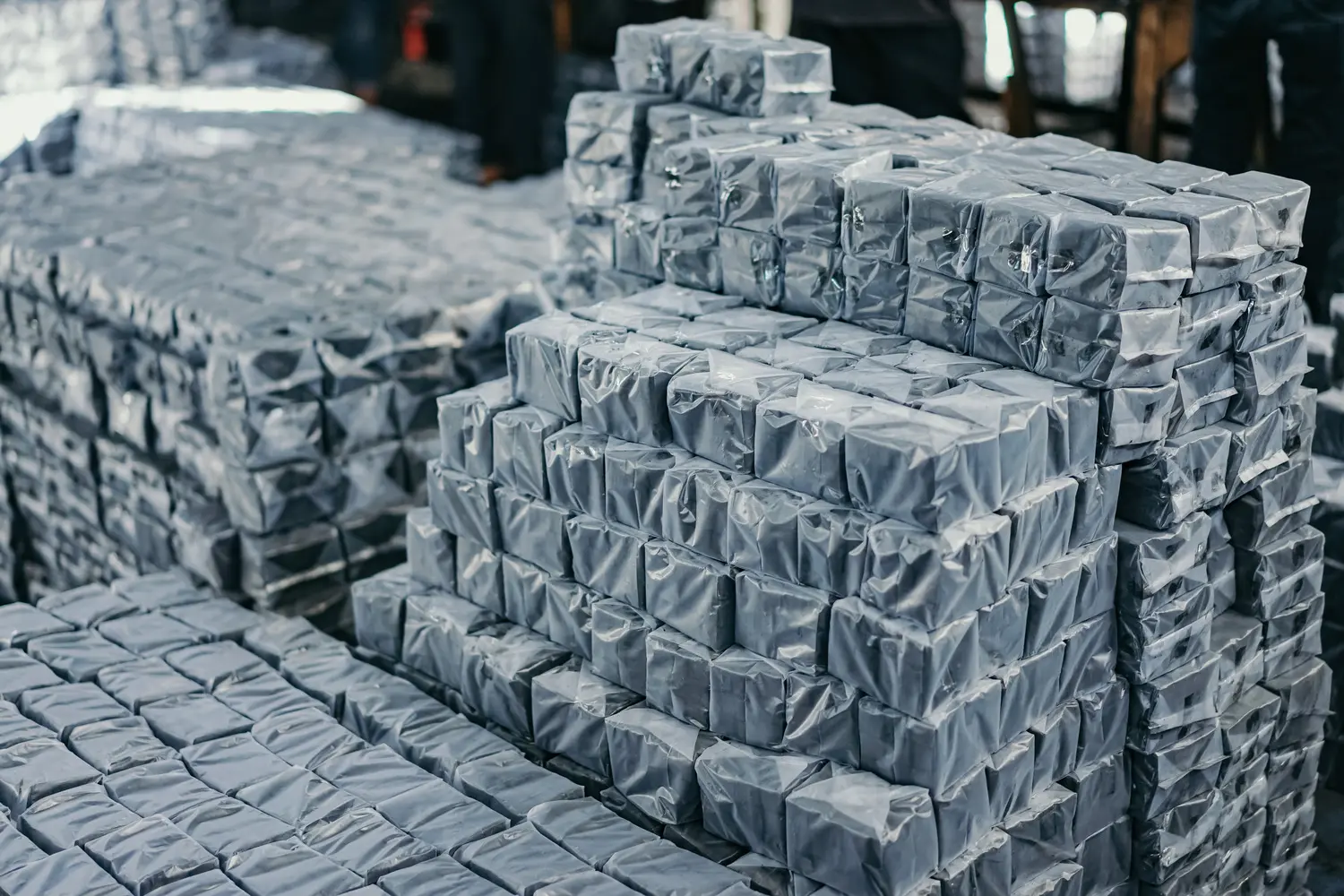
A shisha charcoal carton sampling method should connect every selected sample to an identified lot, carton and collection position. Before opening cartons, define the inspection population: the shipment or stock under review, its product configurations, the documented production lots and the cartons assigned to each. A few convenient cubes cannot establish the condition of an undefined shipment.
Use supplier records, carton marks and the packing list to map the population. Record discrepancies rather than assuming all cartons with the same brand came from one production lot. If lot boundaries are unclear, request clarification and mark the uncertainty in the inspection scope.
Decide the purpose before choosing quantities: exploratory comparison, investigation of a reported issue or an agreed acceptance inspection. This guide offers a buyer planning procedure. It does not prescribe a certified statistical plan, an ISO or AQL sample size, a legal tolerance or a laboratory result.
02 · Separate lots and position groups
Plan coverage before anyone chooses the easiest cartons.
Build a selection frame showing carton identifiers and their locations by lot. Divide the accessible population into meaningful groups, such as separate production lots and documented storage or loading zones. The purpose is to make coverage visible instead of relying entirely on stock nearest the aisle.
For each lot, identify the positions relevant to the inspection question: for example, front, middle and rear zones or different stack levels where these can be accessed through the agreed handling process. Define these terms on a sketch or location list. A label such as middle is not reproducible unless another inspector can find the same group.
Choose cartons within each defined group using a recorded random selection process when the plan calls for random selection. Retain the eligible carton list, the selection method and the selected IDs. Deliberately taking one convenient carton from each zone provides position coverage but should not be described as a statistically validated stratified random design.
Agree the number of cartons and the material collected per carton with the buyer, inspector and testing provider as appropriate. The allocation should reflect the objective and required method. Equal numbers from unequal groups do not automatically produce a valid shipment-wide estimate.
03 · Control access and replacements
An inaccessible carton is a limitation to resolve, not a reason to improvise.
Agree access arrangements before inspection. If the selected carton requires stock movement, arrange access through the responsible warehouse team. Record areas or lots that could not be reached. Sampling only accessible outer cartons leaves unobserved stock outside that actual collection coverage.
Write replacement rules in advance. If a chosen carton is absent, damaged or inaccessible, record the original selection, the reason it could not be collected and the replacement selection under the agreed rule. Do not quietly exchange it for a cleaner-looking carton.
Keep targeted investigation samples identifiable. A visibly damaged carton may deserve additional examination, but a deliberately selected problem carton serves a different purpose from the planned selection. Retain both records separately so neither favorable nor unfavorable targeted findings silently change the reported sampling basis.
04 · Label each sample independently
Keep the route back to the carton intact.
Assign a unique sample ID at collection and link it to the inspection ID, product, lot, carton ID, position, date and collector. Use separate identified containers for the defined samples. Record collection quantity and the observations made when the carton was opened.
Identify where material was taken within each opened carton if that distinction matters to the plan. Selecting only intact pieces from the top can change what the sample represents. Record the agreed within-carton selection approach, including whether loose fragments are included and how exclusions are handled.
Do not combine material across lots merely to simplify dispatch. A composite can remove the ability to locate variation. If the testing method requires compositing, agree the boundaries and preparation with the testing provider, preserve component identities in the record and state what the composite result can and cannot distinguish.
Where retained or duplicate samples are required, identify their relationship to the original collection and record how they were split and stored. A second bag is not automatically an independent sample. Avoid claiming independence when several bags came from the same collected material.
05 · Record chain of custody
Track every handover and any break in the record.
Maintain a collection-to-receipt log: sample ID, container and seal reference if used, collection time, quantity, sender, recipient, transfer date, storage instructions and requested examinations. Photograph the sample label beside the relevant carton or location reference where practical and permitted.
At each handover, check the identities, count and stated condition. Record broken seals, damaged containers, missing labels, quantity changes and unexplained delays. Follow the agreed storage and handling instructions from the testing provider; do not invent a universal preparation or conditioning method.
On receipt, the testing provider should be able to connect its report identifier to the submitted sample IDs and requested scope. Ask that records distinguish the provider’s sample receipt observations from conditions at the original collection point. A laboratory cannot reconstruct a missing carton identity from a generic shipment label.
If identity or custody is uncertain, flag the affected evidence and resolve it before using the result for the intended decision. Retesting an unidentified bag does not repair its missing provenance; a fresh documented collection may be needed.
06 · Interpret results within the scope
Report observed findings without upgrading them into batch guarantees.
Keep results organized by lot, carton and sample reference. Report the number of cartons selected, actually accessed and collected, the sample quantities examined, method references and any departures from the plan. Distinguish a count of sampled cartons from a count of individual cubes tested.
Illustrative scope only: material from one identified carton in Lot A and one in Lot B provides records for those collections. It does not establish a batch pass rate, the variation inside all other cartons or a guaranteed shipment-wide condition. The example is not a recommended sample size.
Use the agreed acceptance rules when the inspection is intended to support acceptance. A coverage worksheet alone cannot supply a statistically justified acceptance number or confidence claim. If a named standard or accredited method is required, have the responsible inspection or testing provider confirm the applicable procedure and its scope before collection.
When results differ, investigate traceability, collection conditions, method differences and possible product variation. Preserve the original results and record the reason for any additional collection. Do not keep resampling until a favorable result appears and present only that result.
Close the inspection with a documented decision: release under the agreed criteria, hold for clarification, investigate a defined issue or collect additional evidence under a revised plan. Name the responsible reviewer and retain the selection frame, sample labels, custody log and report references together.
Buyer tool · agree scope before collection
Carton and lot sampling plan
Inspection ID ___; company / market ___; plan revision ___; buyer / inspector / supplier contacts ___; collection date ___. Complete the plan for the identified stock, retain the selection records and link each sample to its source.
| Planning area | Definition / selection | Evidence / record | Control / next action |
|---|---|---|---|
| Population / objective | Shipment or stock reference ___; product configurations ___ | Purpose ___; scope boundaries ___; decision owner ___ | Record exclusions and unresolved lot identity. |
| Lot map | Lot IDs ___; carton count per lot ___; record source ___ | Carton identifiers / location map ___; discrepancies ___ | Do not merge undocumented lot boundaries. |
| Position groups | Groups within each lot ___; location definitions ___ | Access arrangements ___; eligible carton lists ___ | Define zones so another inspector can locate them. |
| Carton selection | Method ___; selected IDs ___; allocation per group ___ | Selection record ___; agreed plan revision ___ | Random only if selection was actually randomized. |
| Access / replacement | Unreachable selections ___; reason ___; replacement rule ___ | Replacement IDs ___; targeted extra samples ___ | Keep targeted findings separately identified. |
| Within-carton collection | Selection approach ___; quantity / units ___; exclusions ___ | Sample ID ___; lot / carton / position ___; collector ___ | Independent labels; no undocumented pooling. |
| Custody / receipt | Container / seal ___; transfer dates / parties ___ | Condition / quantity received ___; exceptions ___ | Provider instructions ___; unresolved identity ___ |
| Testing / retained sample | Requested method ___; report / sample link ___ | Split or duplicate relationship ___; retained location ___ | Confirm any compositing with the provider. |
| Review / disposition | Actual coverage ___; plan deviations ___; findings ___ | Criteria reference ___; release / hold / investigate ___ | Reviewer ___; next action / date ___ |
Sample label fields: inspection ID ___; unique sample ID ___; product ___; lot ___; carton ___; position ___; quantity ___; collection date / collector ___; container or seal reference ___.
Custody entry: sample ID ___; handed over by / to ___; date and time ___; quantity and condition ___; exceptions ___; receipt acknowledgement ___.
Carton sampling questions
Is taking cartons from different positions an AQL inspection?
No. Position coverage alone does not establish an AQL or other named acceptance plan. Agree the applicable procedure, quantities and decision rules with the responsible provider.
Can samples from different lots be mixed?
Keep them separate unless an agreed testing method requires a defined composite. Document every component and the loss of lot-specific information before combining material.
What if a selected carton is inaccessible?
Record the access limit and use a pre-agreed replacement rule where applicable. Keep both the original and replacement IDs; do not silently substitute an easy-to-reach carton.
Does a favorable sample result prove every carton passes?
No. Interpret the finding under the actual collection scope and agreed decision rules. Do not invent a batch pass rate or a guarantee for unexamined stock.
Method context
Selection coverage and acceptance rules are different decisions.
The NIST engineering statistics handbook describes a lot acceptance sampling plan as both a sampling scheme and decision rules. Its single-plan explanation uses random selection from a lot. The worksheet here records collection scope and traceability; it does not replace the design of a formal acceptance plan.
Commercial discussion
Request evidence tied to an identified inspection scope.
Share your product requirements, destination market, available shipment or lot references and inspection objective. Request current specifications, identified samples or an agreed inspection scope. Sample availability, access and testing arrangements require confirmation.
Discuss an inspection scopeFactory and quality evidence · Shisha charcoal products · Contact Unimax
Related buyer guides
Evaluate a shisha charcoal sample · Prepare a pre-shipment inspection · Identify samples and batches · Keep retained sample records