
Importer packaging and logistics guide
Trial Order vs Full Container for BBQ Charcoal
Choose the order size around the uncertainty you need to resolve, the shipment that can be supported and the stock your market can absorb. A sample, a commercial trial and a full container answer different questions.
Entry decisionCommercial feasibilityEvidence and demand
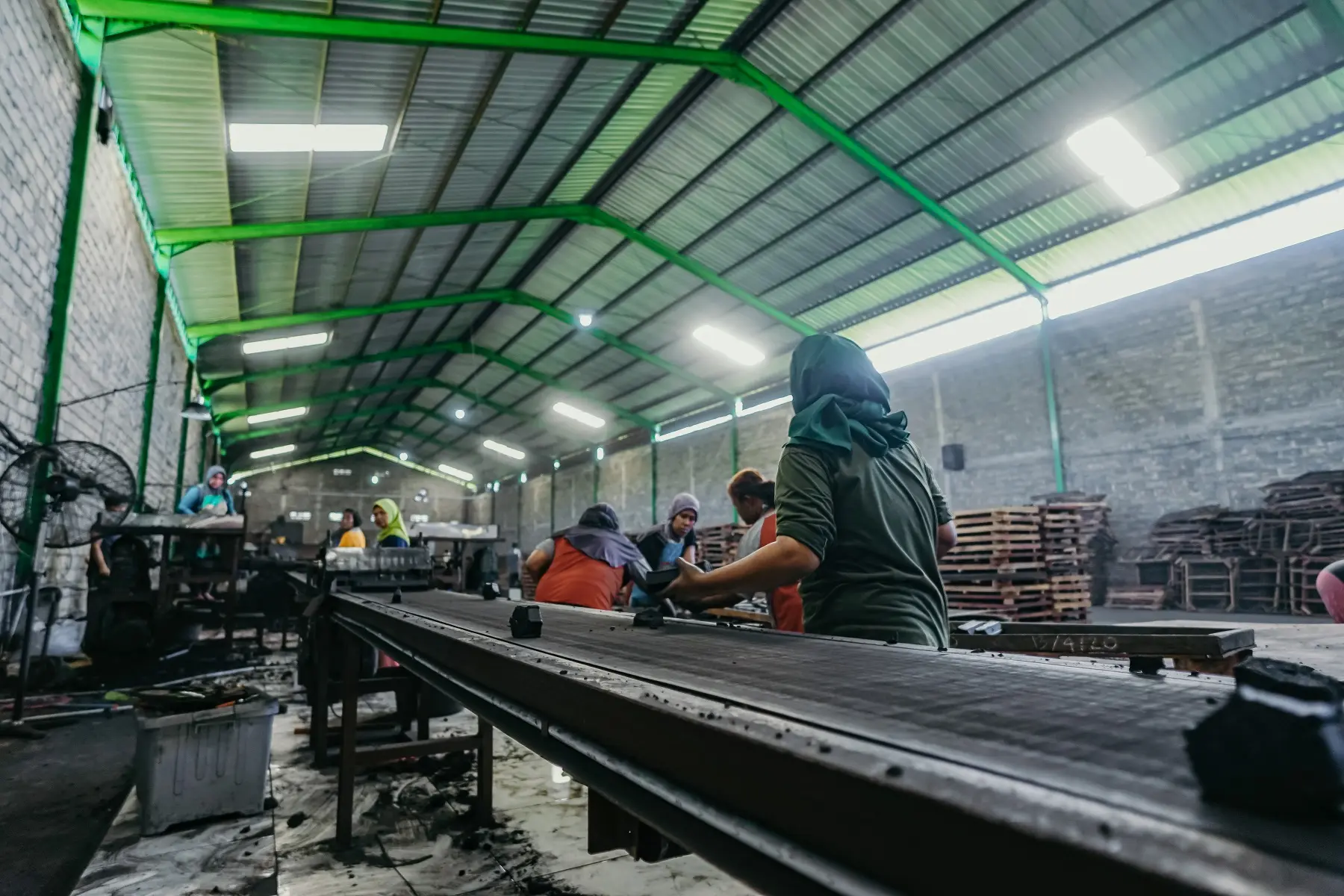
BBQ charcoal trial order vs container
Start with what the next order must prove.
A new importer may want to reduce exposure while testing a product and building demand. A smaller quantity can limit stock committed to the project, but only if the supplier and shipment arrangement can support it. A full container may suit an established requirement while creating a larger inventory commitment.
Neither approach replaces product evaluation or supplier verification. Choose the next step by its purpose: cooking performance, retail-pack readiness, real shipment handling, customer acceptance or repeat supply.
Unimax reviews feasible order structures against the product, quantity, packaging and route. This article does not promise less-than-container supply, shared or mixed loads, a fixed MOQ or freight availability.
Wholesale charcoal order size
Four stages with different evidence.
| Stage | What it can help evaluate | What still needs review |
|---|---|---|
| Evaluation sample | Product fit and performance under recorded test conditions. | Commercial production, final retail pack and full shipment handling may remain untested. |
| Commercial pilot or smaller shipment, if feasible | A defined commercial lot, pack and customer trial through the agreed shipment route. | Availability, production practicality, transport acceptance and total cost need review. |
| Shared shipment, if feasible | A proposed smaller entry quantity within an accepted logistics arrangement. | Compatibility, handling, custody, documents and responsibility need explicit confirmation. |
| Full-container order | A commercial loading plan, larger stock position and distribution rollout. | Greater quantity does not itself establish quality consistency or demand. |
Sample before commercial commitment
Use the sample for a defined product decision.
An evaluation sample helps answer whether the proposed product fits your cooking equipment and acceptance criteria. Record its identity, test conditions and results. Follow the international sample-order guide before requesting it.
Unimax’s product sample is free up to 10 kg; the buyer pays international courier cost. Availability and shipping feasibility are confirmed case by case. A free product sample is distinct from a commercial pilot and does not establish a commercial minimum.
A good sample result leaves other questions open: final packaging, commercial-lot consistency, logistics, customer demand and the actual order scope. Identify these gaps before scaling the quantity.
Charcoal trial shipment
Define a pilot around a measurable question.
If a commercial pilot can be supported, agree what it should validate. That could be the approved pack reaching customers, handling through the actual route, performance in several customer kitchens or a limited distribution launch.
Record the product, specification, lot identity, quantity, packaging and acceptance process. A generic request for “a trial order” leaves the supplier guessing about the production and shipment scope.
Set a customer allocation and review plan before receiving the goods. Record repeat interest and actual usage separately from compliments or an uncommitted forecast. The pilot should produce evidence for the next decision, not simply postpone that decision.
Smaller or shared shipment possibilities
Ask whether the proposed structure works.
Ask Unimax and the relevant logistics provider to review a smaller or shared shipment if that fits your buying stage. Supplier practicality and route acceptance determine whether it is an option. Do not infer availability from a generic logistics term.
Where an arrangement is proposed, clarify custody, handling, packing, shipment records, inspection, release and delivery responsibilities. Ask how the identified charcoal lot remains connected to its records through each handover.
Mixed SKUs within a reviewed order and sharing transport with another shipment are different arrangements. Use the mixed-SKU planning guide for product and pack questions, while separately confirming any proposed shared logistics.
First charcoal container
Review the complete economics and loading scope.
A full-container proposal should identify the product and pack, net quantity, loading assumptions, shipment scope and applicable commercial conditions. Use the 20ft vs 40ft container guide; the container label alone does not establish the net charcoal quantity.
Compare quoted total costs and the resulting cost per usable sale unit for each feasible option. Check which transport, handling, inspection and destination items are included or still open using the landed-cost checklist. Do not assume a full container is always the cheaper complete option.
Keep the product and commercial scope comparable. A lower unit quotation for a different pack or specification does not establish a saving on the product you need.
Packaging commitment and stock readiness
Match the commitment to the market evidence.
Private-label production adds decisions about artwork, net weights, SKUs and packing materials. Discuss the actual requirements and feasible production scope before assuming a small trial can use the same commercial setup as a larger order.
Use the first private-label order checklist to close approval gaps. Record who approves the pack and how later changes affect the proposed order.
Review receiving capacity, suitable storage, customer allocation and expected sales or consumption. Separate confirmed demand from estimates. A large forecast should not be treated as committed orders when choosing the initial stock quantity.
Quality evidence and documentation
Keep acceptance requirements at every scale.
Agree the specification, inspection scope, lot records and acceptance criteria for the commercial order. Neither a small pilot nor a full container guarantees consistency by its size. Define what evidence is required at production, release and receipt.
Confirm the shipment and destination document requirements with the parties handling the actual route. A smaller shipment still needs its own reviewed arrangements; do not assume its documentation or handling is automatically simpler.
For Unimax’s current BBQ range, discuss the hexagonal coconut charcoal briquette requirement and the evidence relevant to the proposed grade and application.
Choose the next supported step
Six questions before increasing the quantity.
The next order should resolve an identified question and fit the supplier, route and buyer’s receiving plan.
- 01
Define the remaining uncertainty
Name the question: product fit, packaging, shipment handling, market demand or supplier repeatability.
- 02
Review existing evidence
Use identified samples, agreed tests, specification and supplier evidence; record what is still missing.
- 03
Ask for feasible structures
Provide the quantity, product, pack and destination. Ask which next steps can actually be supported.
- 04
Compare complete scopes
Reconcile product, packing, shipment, inspection, documents and cost assumptions for each proposed option.
- 05
Check storage and demand
Review receiving capacity, stock handling, customer trial allocation and the demand behind the quantity.
- 06
Set a decision gate
Agree acceptance criteria, review date and what evidence would justify the next order.
First-order questions
Does Unimax offer a fixed trial-order quantity?
This guide sets no fixed MOQ or trial quantity. Ask for an order-specific review of product, quantity, pack and destination.
Is a sample the same as a commercial pilot?
No. A sample supports a defined product evaluation. A commercial pilot has its own order, packing, shipment and acceptance scope.
Can I request a smaller or shared shipment?
You can discuss it, but feasibility and availability must be confirmed by the supplier and relevant logistics parties.
Should a new importer always start with a full container?
No universal sequence fits every project. Review existing evidence, supported shipment options, receiving capacity and actual demand before committing.
Discuss the next commercial step
Start with the smallest step that can be supported.
Share your country, application, evaluation status, proposed quantity, packaging and receiving plan. Ask Unimax which next step is commercially and operationally feasible for the actual project.