
Technical evidence buyer guide
What a Charcoal Lab Report Proves—and What It Does Not
A laboratory report can be strong evidence for one identified specimen. It is not automatic proof of the whole container, every future batch, or real-world burn performance.
6 report fields12 document checksReviewed 7 Aug 2026
The sentence that prevents expensive mistakes
A report proves its reported result for its tested specimen.
That sentence sounds obvious, yet procurement teams regularly stretch it into a much larger claim: that the result proves the supplier's whole factory, current stock, commercial order, and every future shipment.
The bridge from one specimen to a buying decision needs more: representative sampling, traceable identity, a comparable method and basis, an agreed specification, order linkage, and separate real-use testing where performance matters.
Keep the documents in their proper jobs: a specification sheet defines the requirement, while a laboratory report records the result for the tested specimen. Use the BBQ specification-sheet guide to connect the target, limit, method, and acceptance decision.
Six fields to inspect first
Read the report before reading the headline number.
The value is the last link in a chain. If identity, sampling, method, basis, or acceptance criteria are unclear, a precise number can still support a sloppy decision.
The laboratory
Name, address, report identifier, signatory, and any stated accreditation or scope information identify who issued the result.
Can the laboratory and the claimed scope be independently checked?
The specimen
Sample description, code, condition, receipt date, and test date define the material that actually reached the laboratory.
Does this identity match the product and lot being evaluated?
The sampling route
A report may test what the supplier submitted without proving how that small specimen was selected from production or finished goods.
Who selected it, from where, and was sampling witnessed?
The method
The named standard or in-house method controls preparation, temperature, timing, calculation, and reporting conventions.
Are two supplier results truly based on comparable methods?
The result and basis
The number only becomes comparable when its unit, basis, rounding, qualifiers, and uncertainty or decision rule are understood.
Is the result as-received, dry basis, or another stated basis?
The acceptance limit
A result is not automatically good or bad. It must be compared with the buyer-approved product specification and decision rule.
Which limit can reject the sample or shipment?
Proximate analysis and energy results
What common charcoal test results actually tell a buyer.
Method names matter. ASTM D1762-84 covers moisture, volatile matter, and ash for charcoal; current ISO solid-biofuel methods separately cover moisture, ash, volatile matter, and calorific value. Use the method printed on the report—not a guessed one.
The moisture result for the prepared specimen under the stated method and reporting basis.
The moisture of every briquette, every bag, or the product after later storage and transport.
The residual ash quantity measured from the prepared specimen using the stated method.
Ash color, ash stability during use, or the visual experience in a grill or hookah.
The volatile-matter result produced by the named analytical method for the tested specimen.
A complete prediction of odor, visible smoke, sparks, or ignition experience in the buyer's appliance.
The reported fixed-carbon value and calculation basis for the tested specimen; it is commonly derived from proximate-analysis results.
Useful cooking heat, burn duration, density, structural integrity, or shipping survival by itself.
The energy released by the tested specimen under the stated laboratory calorimetry method and reported basis.
The heat profile, airflow, useful cooking window, or total duration in a real appliance.
Only the named analyte, method, unit, limit, and specimen stated in the report.
Safety, legality, certification, or conformity beyond the exact scope of the reported test.
Five layers of usable evidence
Turn a result into a defensible procurement decision.
Laboratory result
Describes the tested specimen, parameter, method, basis, and result.
Representative sampling
Explains how the specimen was selected and whether it reasonably represents the material of interest.
Specification decision
Connects results to agreed acceptance limits, tolerances, and any decision rule.
Order linkage
Connects the sample code, lot, product, packaging version, date, and commercial order.
Real-use performance
Adds controlled burn, heat, ignition, odor, cracking, strength, and breakage evidence where relevant.
Charcoal Lab Report Review Checklist
A completed checklist does not make the tested specimen representative of a shipment. Resolve identity, sampling, and order-linkage gaps before relying on the result.
Evidence works in layers
Use the right proof for the right claim.
Laboratory analysis, controlled performance testing, and shipment evidence answer different questions. Combining them is strong due diligence. Substituting one for another is theatre.
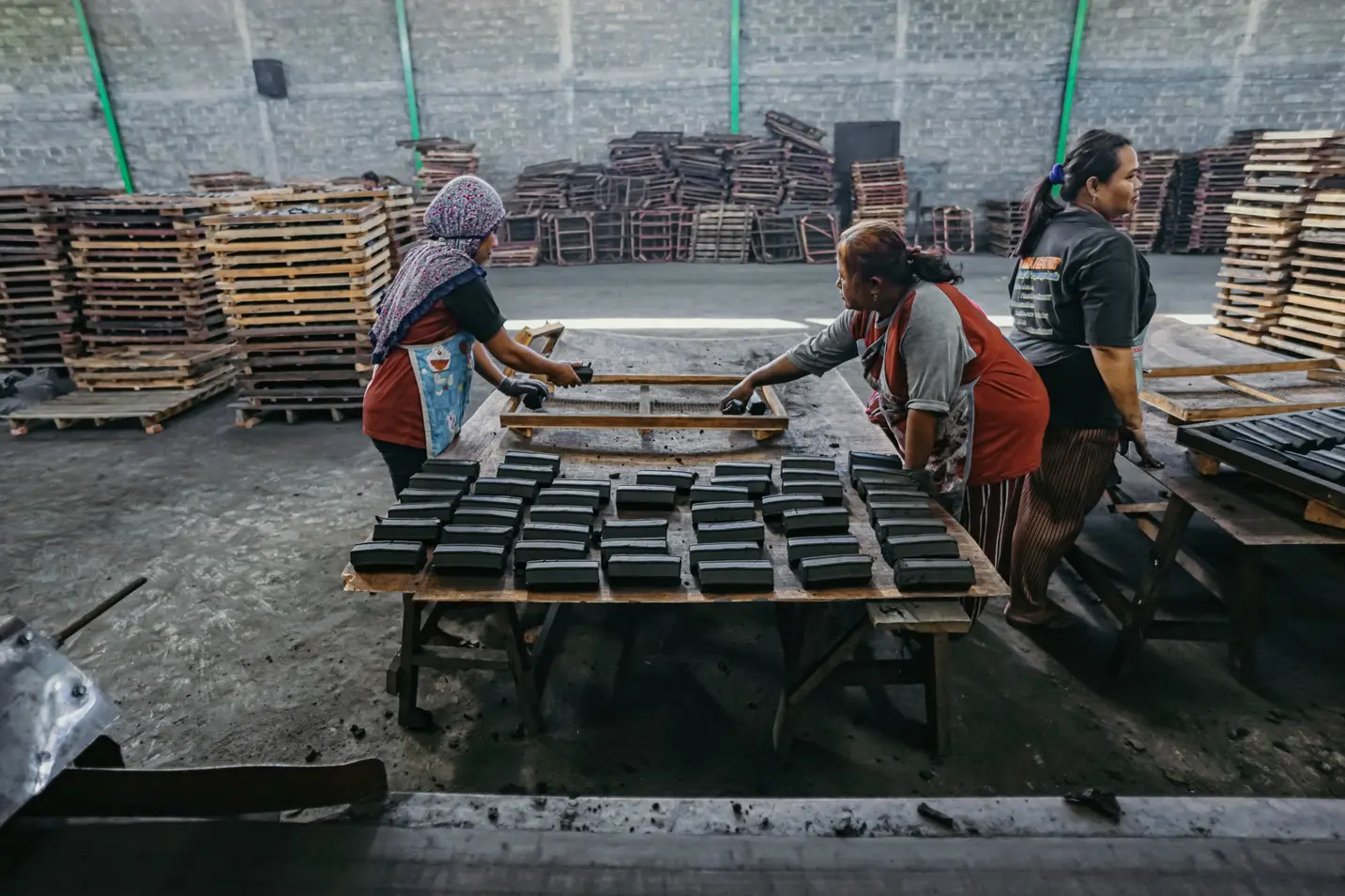
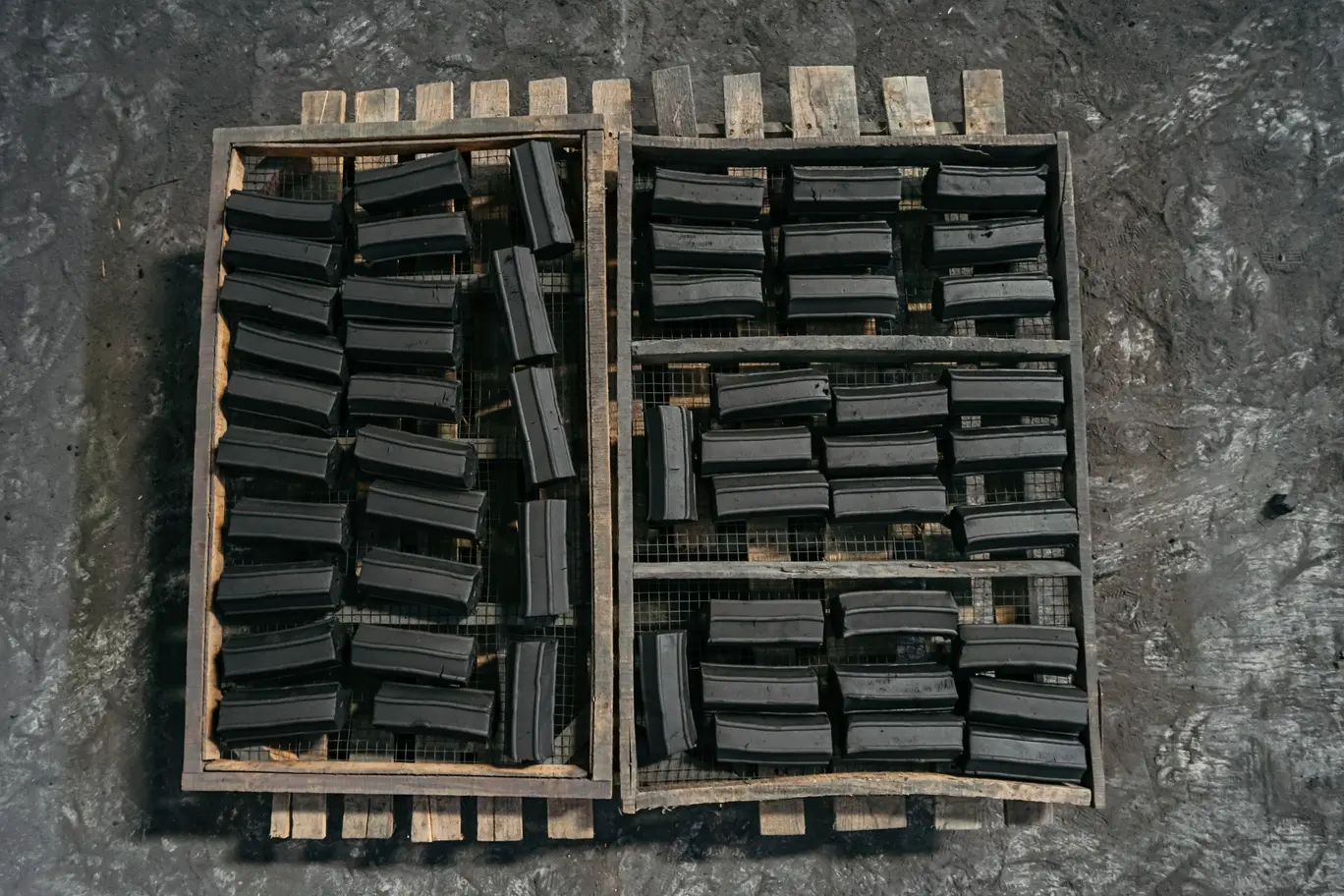
Production evidence
Useful for: Visible product form, people, equipment, location context, and activity at the photographed moment.
Not a substitute for: Analytical values, tolerances, representative sampling, or order conformity.
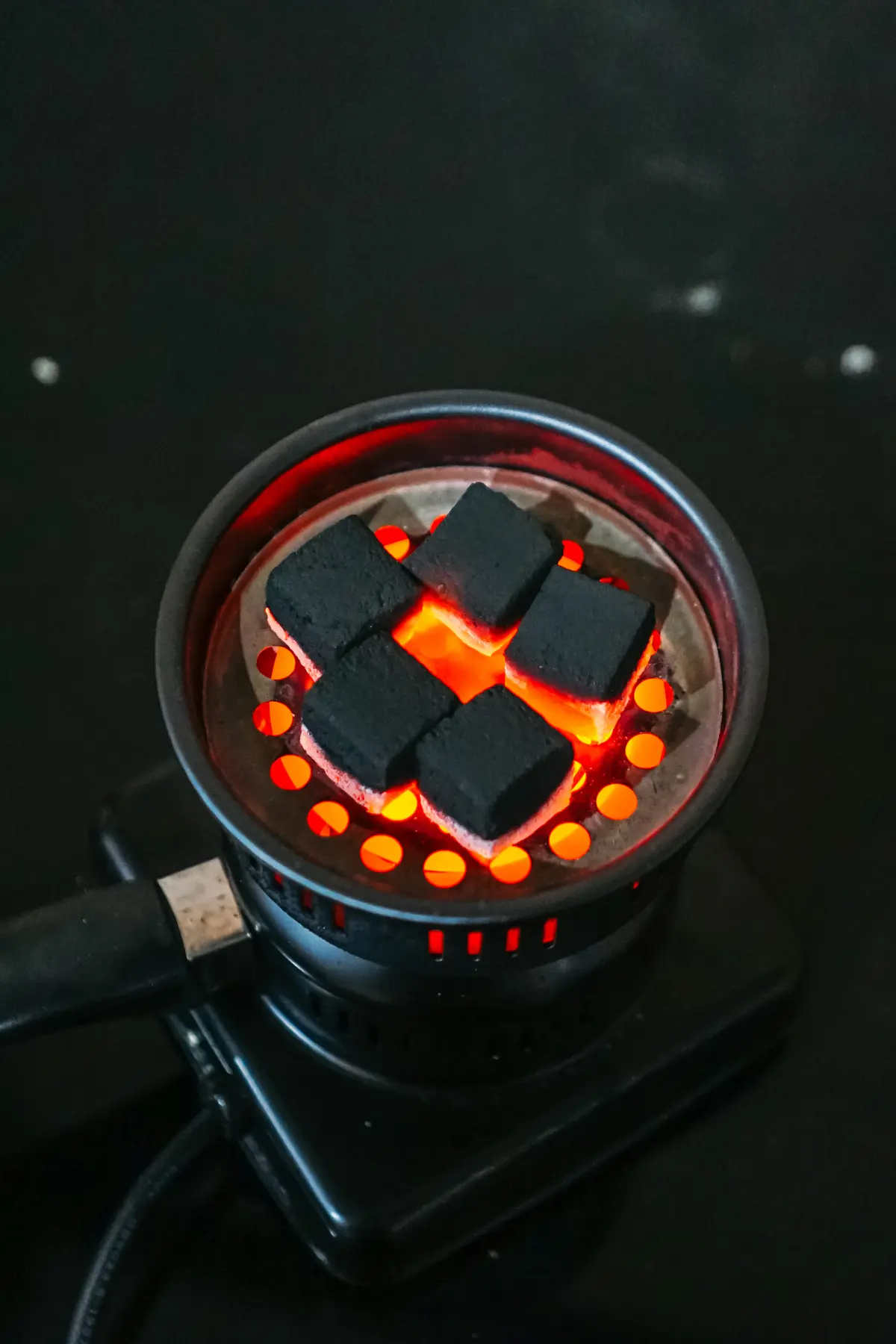
Shisha performance observation
Useful for: Ignition, odor, smoke, sparks, cracking, heat behavior, duration, and ash observations for the shown Shisha cubes under a fixed setup. BBQ briquettes require their own product-specific trial.
Not a substitute for: A named analytical method or a representative laboratory result.
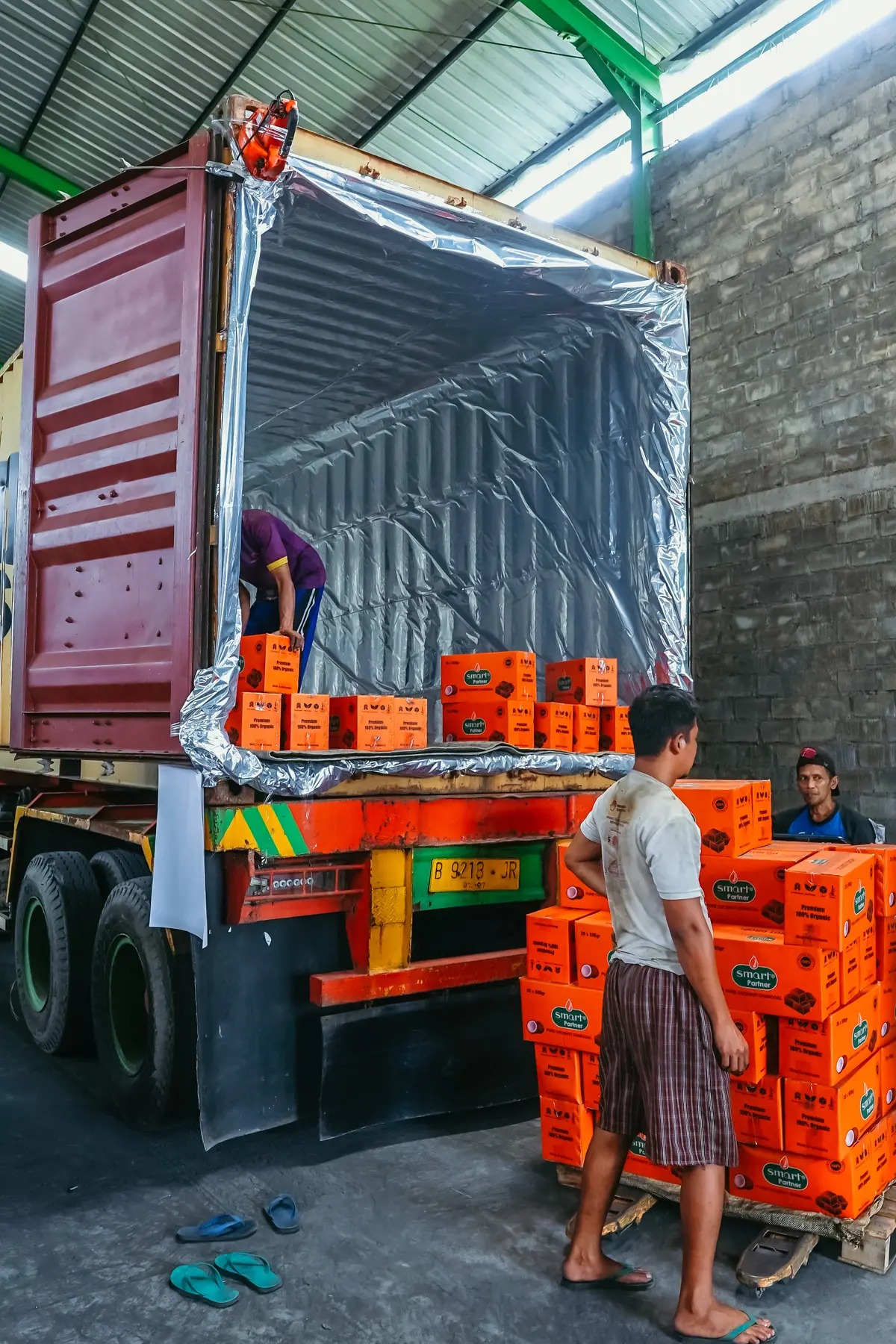
Shipment evidence
Useful for: Visible cartons, container condition, and loading activity at the documented moment.
Not a substitute for: Product conformity, analytical results, total quantity, destination, or arrival condition.
Laboratory-report red flags
Six ways technical evidence becomes decorative wallpaper.
Most weak reports are not necessarily fake. They are simply stretched beyond the specimen, method, date, or decision they can honestly support.
The product name is vague
“Coconut charcoal” appears without grade, form, sample code, source, or connection to the current offer.
The report is old but sold as current
A historical result may describe a past specimen; it does not automatically represent today's product or order.
The method or basis is missing
Two numbers can look comparable while using different preparation, methods, or moisture bases.
A pass mark has no buyer specification
The supplier says “passed” without showing which requirement, limit, or decision rule was applied.
The lab logo does all the talking
An attractive header does not prove accreditation scope, representative sampling, order linkage, or product performance.
One specimen represents a container by magic
No sampling plan or link explains why the tested portion should stand for the larger lot or shipment.
Apply the framework with Unimax
Start with the product and buyer specification—not a floating PDF.
BBQ is the primary product path; Shisha remains available as a secondary product.
Unimax can align the current product information, sample procedure, factory verification, packaging brief, and available technical evidence with the buyer's sourcing stage. Product-specific test values, methods, tolerances, documents, and commercial terms are confirmed for the reviewed requirement.
Charcoal lab report FAQ
Read the limitation before trusting the conclusion.
Use these answers as a document-review framework, then define the exact sampling, methods, limits, and real-use tests required for the product.
01Does a laboratory report prove that the whole charcoal container meets specification?+
Not by itself. It reports results for the identified specimen under the stated methods. Representativeness depends on how the specimen was selected, handled, and linked to the relevant lot or order, plus the agreed sampling and acceptance plan.
02Can two charcoal lab reports be compared directly?+
Only after checking product identity, sample preparation, method, edition, unit, reporting basis, rounding, and qualifiers. A dry-basis value and an as-received value should not be ranked as though they are the same measurement basis.
03Does fixed carbon prove long burn time?+
No. Fixed carbon is useful composition information, but real burn duration and useful heat also depend on briquette size, mass, density, airflow, appliance, lighting, tending, and the test endpoint. Use a controlled performance test as well.
04Does low ash guarantee clean ash behavior?+
No. A laboratory ash percentage describes quantity under a specified method. Ash color, cohesion, fall-off, dust, and user handling are separate observations that should be recorded in a controlled burn test.
05What should a buyer ask before accepting a report?+
Ask who selected the specimen, what product and lot it represents, which methods and reporting bases were used, which specification limits apply, and what evidence links the specimen to the current offer or order.
06Can Unimax provide a sample for buyer evaluation?+
Yes. Product samples are free up to 10 kg, while the buyer pays international courier costs. Ask for the current product information and sample procedure for the BBQ or Shisha format being evaluated.
From document to controlled evaluation
Review BBQ Charcoal Evidence Against Your Buyer Specification
Share your company, destination, product format, sourcing stage, required parameters, acceptance criteria, and questions about sampling or order relevance.
Discuss it on WhatsApp