
BBQ charcoal buyer guide
How to Read a BBQ Charcoal Specification Sheet
A specification sheet should convert buyer requirements into testable acceptance rules. If it only lists impressive numbers without identity, methods, limits, and order linkage, it is marketing dressed as engineering.
5 reading passes12 buyer checksPrint / save PDF
Start with the correct document job
A specification defines the deal. It does not prove conformity by itself.
The sheet should state what product the buyer is approving and how acceptance will be decided. A laboratory report, sample test, packaging inspection, and shipment record then provide different layers of evidence.
Treating the specification as proof is backwards. Treating a single report as the specification is equally weak. One defines the requirement; the others help show whether an identified specimen or order meets it.
Five-pass reading method
Read the obligations before comparing the numbers.
This sequence prevents a polished supplier sheet from winning only because its headline values look cleaner than its test definitions.
Identify the exact product
Confirm the grade, raw-material description, briquette form, intended application, supplier, and document revision. A sheet without product identity is a floating list of numbers.
Does this document describe the exact sample and commercial product being offered?
Decode the limit language
Separate maximum, minimum, range, target, typical, and nominal values. They express different obligations and should not be scored as if they were the same.
Which values are enforceable acceptance limits and which are only information?
Find the method and basis
Read the test method, unit, reporting basis, preparation, rounding, and any qualifier. A percentage without its basis is not ready for comparison.
Would another laboratory or supplier produce a directly comparable result?
Separate chemistry from use
Analytical values describe a tested specimen. Ignition, heat, duration, sparks, odor, cracking, ash behavior, and breakage require their own controlled observations.
Which buyer-critical outcomes still need a product or transport test?
Link the sheet to the order
Record the approved revision, sample reference, purchase-order reference, inspection route, retained sample, and pre-shipment evidence required for conformity.
What proves that the shipped goods were evaluated against this exact revision?
Limit language
Six small words that change the commercial obligation.
The parameter can stay identical while the contractual meaning changes completely. A “typical” value is not a “maximum” wearing a friendlier tie.
Maximum
≤ agreed limitThe result must not exceed the stated limit under the agreed method, basis, sampling rule, and decision rule.
Minimum
≥ agreed limitThe result must not fall below the stated limit under the same agreed conditions.
Range
between two limitsBoth the lower and upper boundary matter. The sheet should state whether either boundary can reject the product.
Target
production aimA target guides production but is not automatically an acceptance limit unless the contract defines it that way.
Typical
descriptive, not guaranteedA typical value may summarize past or expected performance. It needs a defined data source and should not be treated as a shipment guarantee.
Nominal
named or design valueA nominal size or weight is a reference value. The allowable variation still needs to be defined separately.
Parameter-by-parameter reading
What each BBQ charcoal specification field needs beside the number.
Buyer specifications should combine analytical, physical, performance, packaging, and inspection requirements only where they matter to the intended application.
Check the unit, reporting basis, sampling condition, seal, storage, test timing, method, and whether the value is a maximum or descriptive result.
It does not by itself predict useful heat, ash behavior, structural strength, or the condition after later storage and transport.
Read ash percentage separately from ash color, cohesion, fall-off, dust, and disposal behavior. These are not interchangeable fields.
A low percentage does not automatically prove white ash, stable ash, clean handling, or buyer acceptance in a real grill.
Confirm the analytical method and basis before comparing suppliers. Treat it as one composition indicator, not a complete user-experience score.
It does not independently guarantee ignition behavior, low odor, low visible smoke, or low sparks.
Check whether the value is measured or calculated, which components are used, and which reporting basis applies.
A higher number alone does not guarantee better useful heat, longer cooking time, density, strength, or shipping survival.
Read gross or net value, unit, method, basis, and specimen identity. Do not compare values reported under different conventions as if they were identical.
It does not equal heat delivered to food or automatically determine burn duration in the buyer's appliance.
Define the profile, length, cross-section, hole, unit mass, sampling quantity, measuring tool, and allowed variation where these affect the application.
A nominal label alone does not prove dimensional consistency, packing density, breakage resistance, or container economics.
Specify quantity, lighting method, appliance, airflow, starting condition, observation intervals, ready-to-use point, and endpoint.
A burn-time headline cannot be compared fairly when supplier setups, endpoints, loads, or airflow differ.
Define what counts, how many packs or units are inspected, when inspection occurs, and whether transport simulation or arrival inspection applies.
Words such as strong, low dust, or low sparks are not acceptance criteria without a counting or observation method.
Evidence stack
Use five documents or tests for five different jobs.
Specification sheet
Defines the agreed product, parameters, language, limits, methods, and document revision.
Laboratory report
Reports results for an identified tested specimen under stated methods and bases.
Controlled sample test
Records ignition, heat, duration, odor, smoke, sparks, ash behavior, cracking, and other use-specific observations.
Packaging and transport evidence
Checks protection, carton condition, breakage, dust, labels, and handling under the agreed inspection route.
Order-linked conformity evidence
Connects the approved revision and reference sample to the purchase order, relevant lot, pre-shipment review, and retained records.
BBQ Charcoal Specification Sheet Checklist
A complete sheet is not automatic proof of conformity. Link the approved revision to the sample, purchase order, and agreed pre-shipment evidence.
Do not ask one photo to prove everything
Match visible evidence to the claim being reviewed.
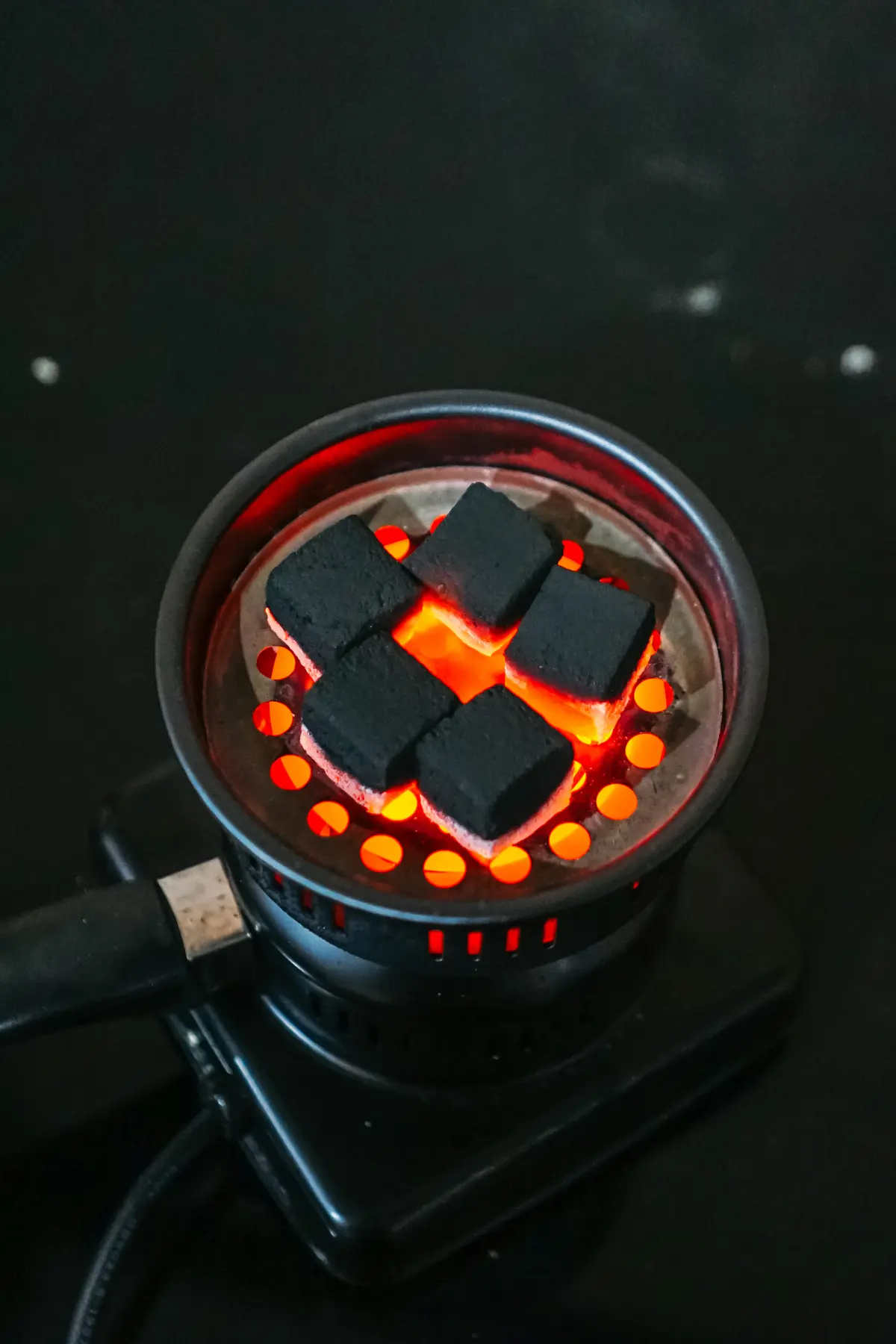
Product, production, and loading photographs add context. They do not replace measurements, analytical tests, controlled burn observations, or order-linked inspection.
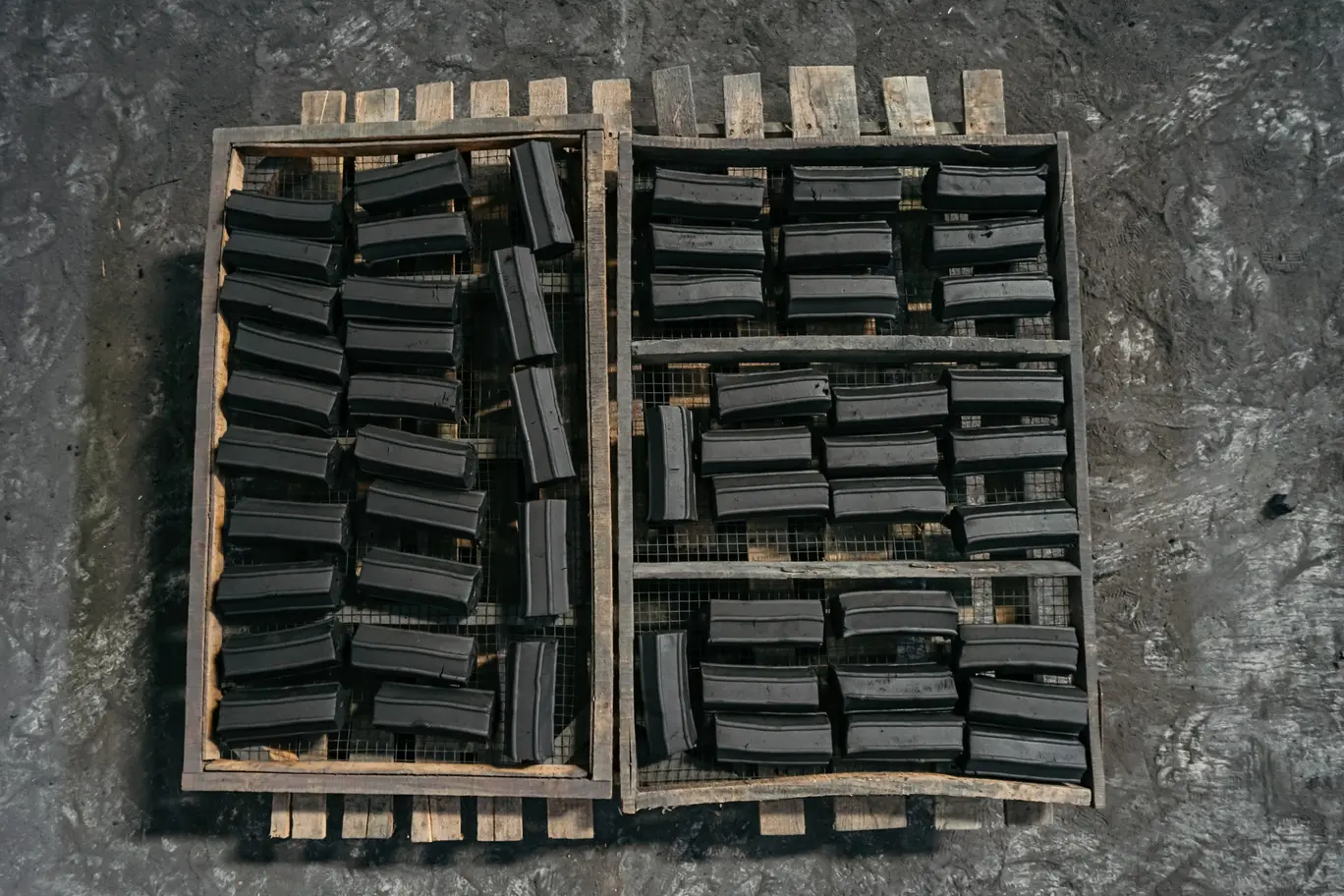
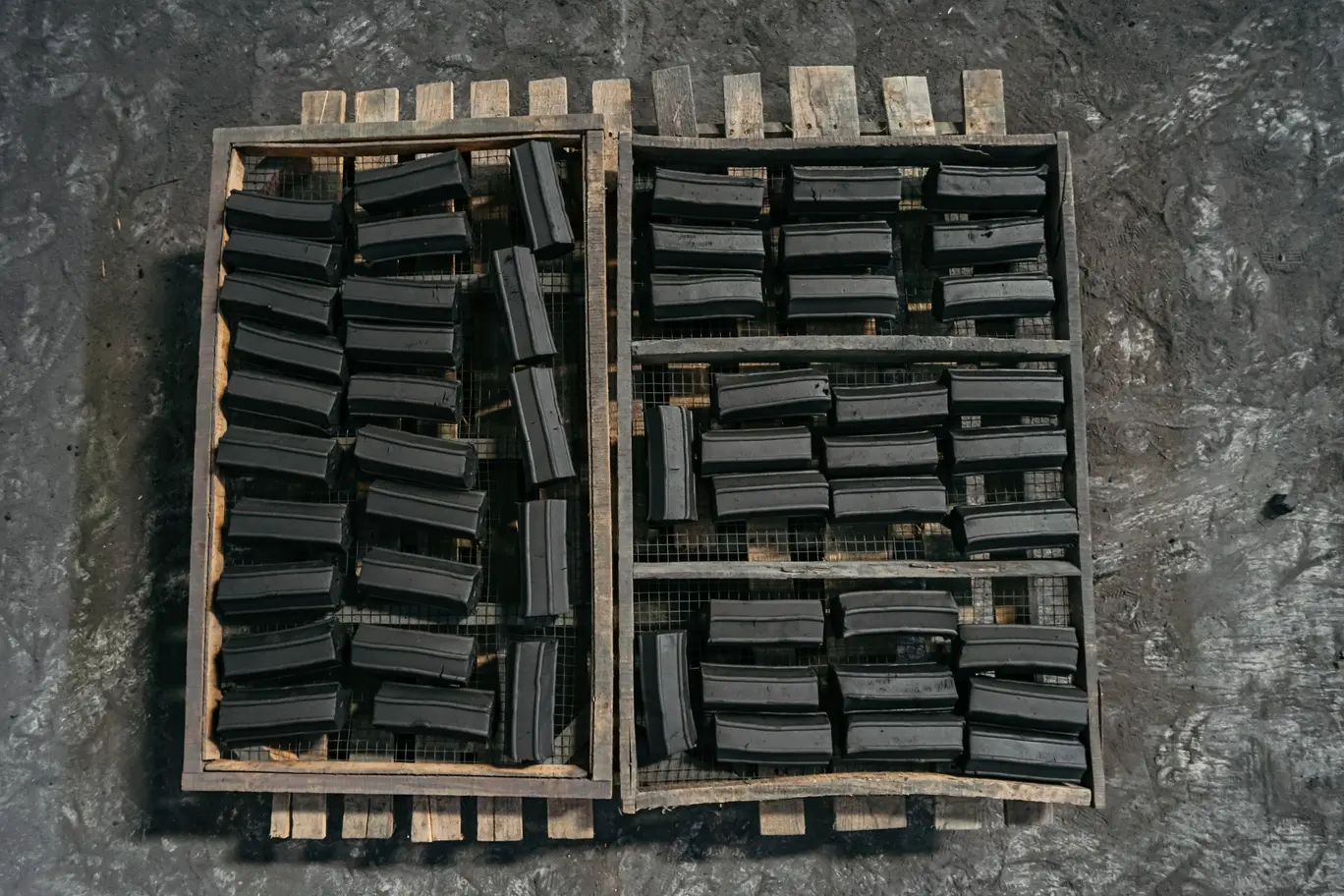
Product-form evidence
Useful for: Visible profile, surface, arrangement, and condition of photographed briquettes.
Not a substitute for: Dimensions, tolerances, composition, strength, or representative sampling.
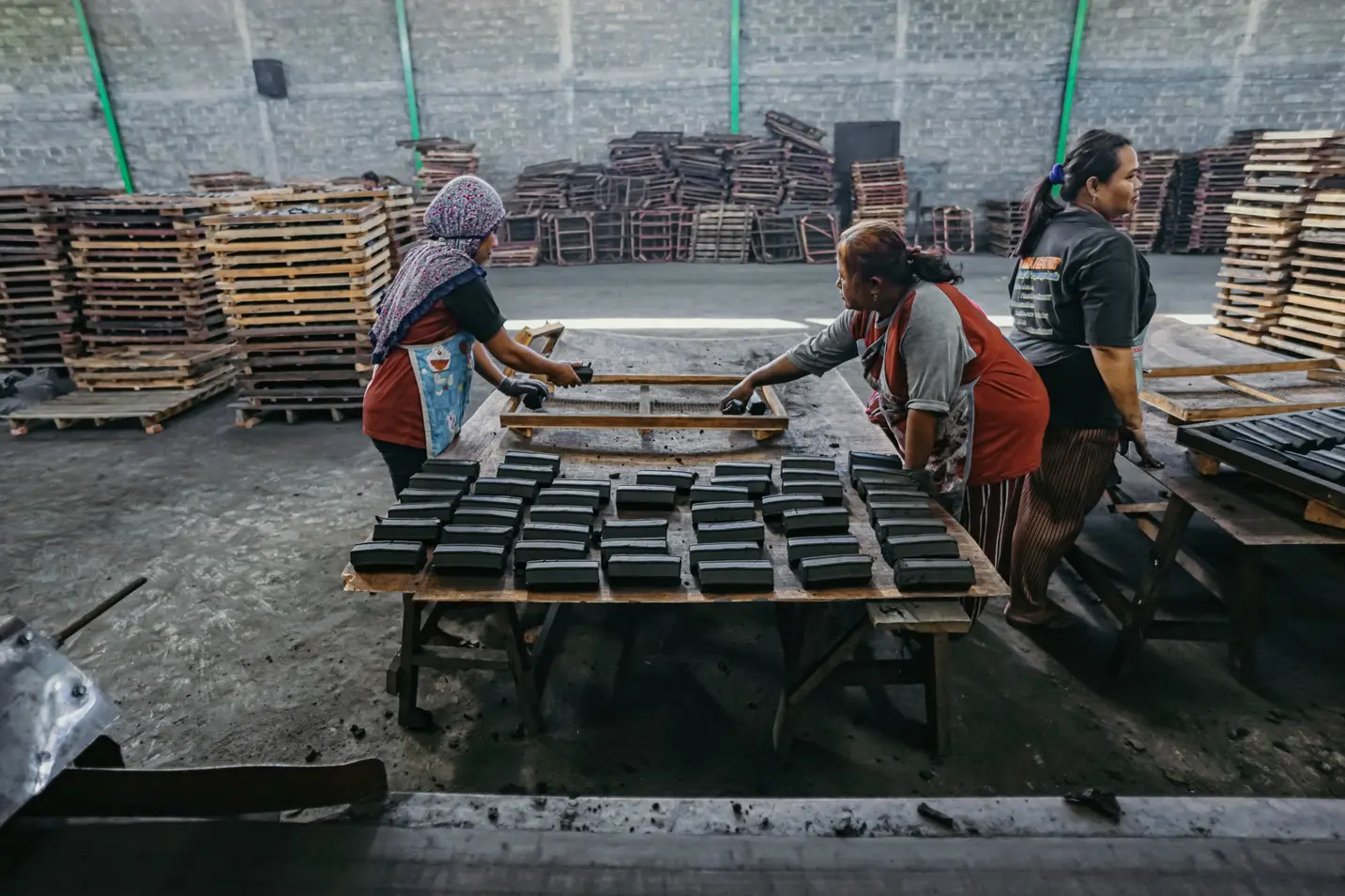
Production evidence
Useful for: People, trays, activity, equipment, and factory context at the photographed moment.
Not a substitute for: A named quality test, analytical value, acceptance record, or batch conformity.

Loading evidence
Useful for: Visible cartons, container condition, lining, and loading activity at the documented moment.
Not a substitute for: Product conformity, total quantity, destination, or arrival condition.
Specification-sheet red flags
Six signs the document is more decoration than control.
A short sheet can be strong when its terms are precise. A long sheet can still be useless when every important word remains negotiable after the goods arrive.
No document revision
The sheet can change without a clear record of which version controlled the sample, quotation, or purchase order.
Only 'typical' values
The page looks technical but does not reveal which values can actually accept or reject the product.
Numbers without methods
A result is presented without the procedure, basis, unit, setup, or sampling needed for fair comparison.
Chemistry used as performance proof
Fixed carbon, calorific value, or ash percentage is stretched into a guarantee of duration, useful heat, ash handling, or shipping strength.
One perfect sample represents everything
The sheet and report are linked to a hand-selected sample but not to the commercial order or repeat-container controls.
Silent supplier substitutions
The quotation permits changes to grade, dimensions, binder, packaging, test method, or production source without buyer approval.
Apply the framework with Unimax
Bring your application and acceptance criteria—not just a competitor PDF.
Unimax can review the intended BBQ application, preferred briquette form, buyer specification, sample plan, packaging requirement, and available technical evidence. Current product-specific values, methods, tolerances, documents, and commercial terms are confirmed for the reviewed requirement.
Product samples are free up to 10 kg. The buyer covers international courier costs.
BBQ specification FAQ
Do not let the cleanest spreadsheet win automatically.
Compare product identity, obligations, methods, bases, samples, and evidence before comparing supplier headline numbers.
01Is a BBQ charcoal specification sheet the same as a lab report?+
No. A specification sheet defines the agreed product and acceptance criteria. A laboratory report records results for an identified specimen under stated methods. One document states the requirement; the other may provide evidence for selected analytical parameters.
02What is the difference between maximum, target, and typical?+
A maximum is an upper acceptance limit when the contract defines it that way. A target is a production aim. A typical value is descriptive and is not automatically a shipment guarantee. The approved document should state which language controls acceptance.
03Can two supplier sheets be compared line by line?+
Only after checking product identity, test method, reporting basis, unit, sampling, limit language, and performance setup. Identical parameter names can still describe different procedures or obligations.
04Does higher fixed carbon always mean better BBQ charcoal?+
No. Fixed carbon is one analytical field. Useful heat, burn duration, ignition, sparks, odor, physical integrity, ash handling, packaging, and buyer application still require separate evaluation.
05Which specification values should be written into a purchase order?+
Use the buyer-approved parameters that can materially affect product acceptance, and reference the exact specification revision, grade, methods, limits, packaging requirements, inspection route, and change-control process. The final list depends on the buyer's application and risk.
06Can Unimax provide a BBQ charcoal sample for evaluation?+
Yes. Product samples are free up to 10 kg, while the buyer pays international courier costs. Share the intended application, preferred form, target performance, and required evidence so the sample discussion starts from the right requirement.
From requirement to controlled evaluation
Build a BBQ Charcoal Specification Your Team Can Actually Enforce
Share your company, destination, intended application, briquette format, acceptance criteria, required tests, packaging needs, and sourcing stage.
Discuss it on WhatsApp