
Importer packing and receiving guide
Palletized vs Floor-Loaded BBQ Charcoal
Choose the loading method around the destination warehouse, pack strength and verified packaging rules. Compare the full journey: cartons loaded efficiently still need to arrive protected and be unloaded on time.
Load efficiencyProtection and unloadingPackaging compliance
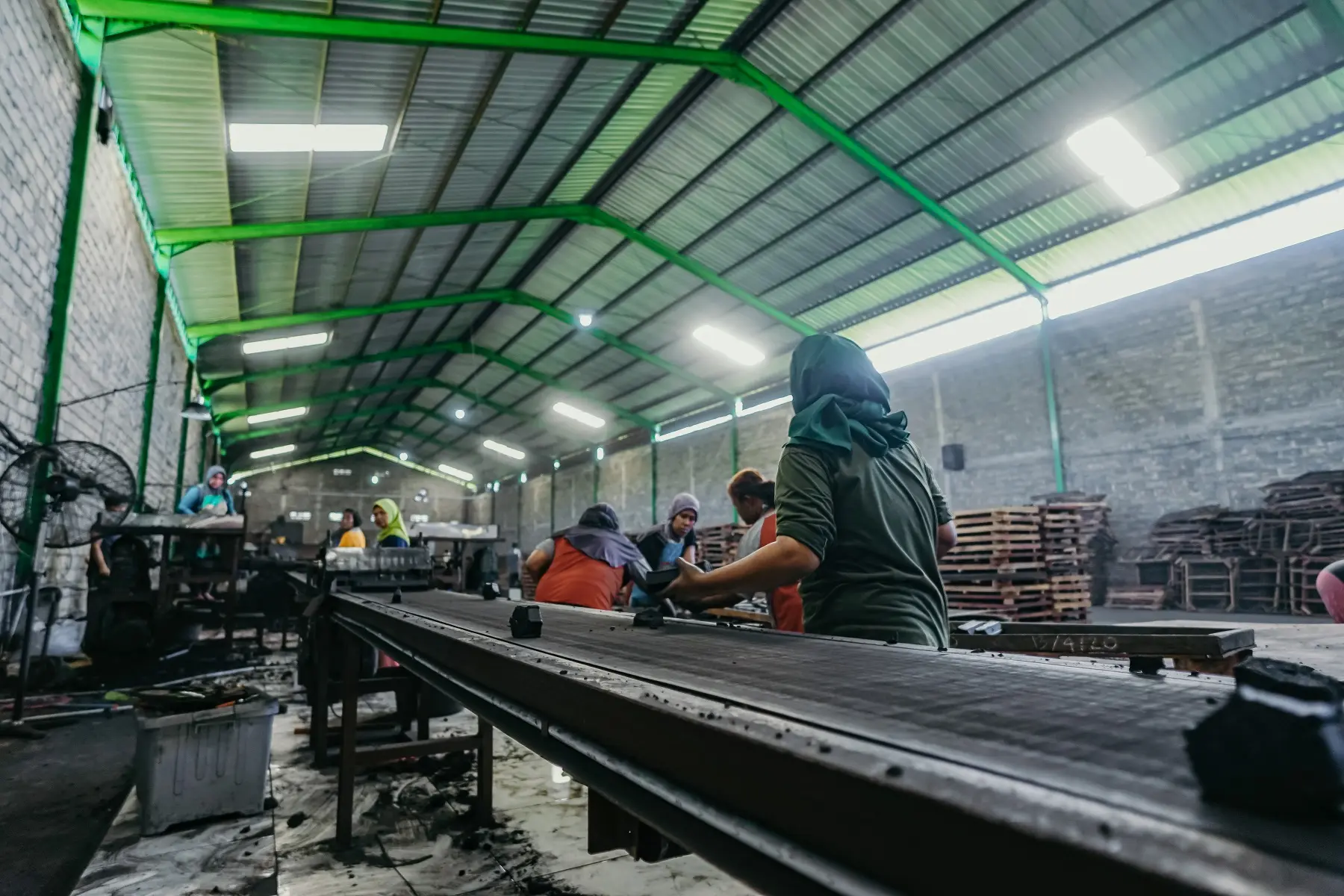
Palletized vs floor loaded charcoal
Choose from the receiving end backward.
Palletized loading groups cartons into unit loads supported by pallets. Floor loading places cartons in a planned arrangement without pallets. Both require an appropriate packing and securing plan; neither method guarantees less breakage or a fixed container quantity.
For BBQ charcoal briquettes, the useful question is which option gives a workable loading, transport and receiving process at the lowest complete cost for conforming goods. Confirm the destination’s handling and packaging requirements before approving the method.
Charcoal unloading options
Compare the full packing and receiving process.
| Factor | Palletized | Floor-loaded |
|---|---|---|
| Space and weight | Pallets and unit-load clearances consume space and weight; map actual pallet positions. | Carton layout may use space more closely; validate stack strength, access and securing. |
| Unloading | Unit handling may reduce carton-by-carton work when equipment and access are compatible. | Plan manual labor, conveyors or another approved method; count receiving and repalletizing work. |
| Carton protection | Pallet support, restraints and edge protection can help; overhang, crushing and fork damage remain risks. | Review bottom-layer compression, stack stability and repeated carton handling. |
| Moisture | Elevation can separate cartons from direct floor contact, but damp pallets and condensation remain concerns. | Review dry floor condition, suitable separation materials and the whole moisture-control plan. |
| Destination fit | Confirm pallet footprint, height, load rating, fork access, rack compatibility and disposal / return arrangements. | Confirm labor, receiving area, storage method and whether the warehouse requires repalletizing. |
| Packaging compliance | Check every material and solid-wood component, applicable treatment, marks and destination records. | No pallets does not mean no regulated wood: inspect dunnage, blocks and other packing materials. |
| Total cost | Add pallet purchase, treatment where required, wrapping, securing and potential load-efficiency effects. | Add loading / unloading labor, destination handling, possible repacking and damage exposure. |
From pack plan to receiving
Six checks before choosing the loading method.
Put the warehouse, packing team and logistics providers on the same written brief.
- 01
Start with the receiving warehouse
Ask the receiver which methods it accepts, its unloading equipment and access, labor availability, receiving hours, storage rules and empty-return plan. A pallet preference should match the actual operation.
- 02
Measure both packing options
Use external carton dimensions and net / gross weights. For pallets, include footprint, full unit-load height and weight, pallet material, load rating and approved carton pattern. Keep the product and carton specification consistent across options.
- 03
Review protection and securing
Have the packing team confirm stack limits, pallet support, restraints, edge protection, gaps and weight distribution. Review fork access and unloading sequence. Do not rely on wrap alone as proof of transport stability.
- 04
Verify destination packaging rules
List pallets, dunnage, blocks, boards and mixed-material components. Have the destination broker confirm applicable official import conditions, evidence, treatment / marking requirements and declarations before loading.
- 05
Compare complete costs and quantities
Calculate each reviewed load plan and its full cost to the same warehouse endpoint. Include destination unloading and repalletizing where needed. Use sellable net charcoal kilograms rather than gross loaded mass.
- 06
Agree receiving evidence and responsibilities
Record the approved method, loading photographs, pack identifiers, counts and gross / net weights. Agree who can stop an unsuitable load, how arrival condition is recorded and how discrepancies are reported.
Space and handling
Capacity savings can disappear during unloading.
Floor loading may improve carton fit because there is no pallet footprint or pallet height in the layout. It does not justify stacking beyond validated carton limits or removing necessary protection. Palletized loads must account for the whole unit load, including pallet mass, wrap, restraints and clearances.
Use the carton-dimensions guide and container-size comparison to review the physical layout. Do not promise a universal percentage gain or a fixed carton count for either method.
Pallet handling can reduce individual carton movements when the receiver has compatible equipment and access. Ask whether the equipment can safely reach and handle the unit loads under the receiving site’s procedures. Floor loading requires a feasible unloading plan and may need repalletizing before storage. Include that work in the comparison.
Protection and moisture
A pallet is one part of the protection system.
Check whether cartons sit fully supported, whether lower layers tolerate the load, and whether straps, wrap and edge protection suit the approved pack. Pallet overhang, poor stacking or fork contact can damage cartons. Floor-loaded stacks also need protection from compression, shifting and repeated handling.
Pallet elevation may reduce direct contact with the container floor, but it does not prevent leaks or condensation. Pallets, cartons and securing materials should be assessed for condition and moisture as part of the packing plan. Damp wood or unsuitable protective materials can undermine the intended separation.
Confirm container condition, pack dryness, appropriate separation and any agreed moisture-control measures with the responsible team. Avoid inventing a universal desiccant quantity or claiming wrapping makes the shipment waterproof. Use the loading checklist to record the controls.
Wood packaging compliance
Check every wood component, including dunnage.
IPPC’s ISPM 15 addresses phytosanitary risk from raw-wood packaging in international trade and includes dunnage. Its scope excludes qualifying processed-wood packaging, such as plywood. That distinction does not mean every pallet described as plywood is exempt: identify all components and the actual destination conditions.
As a destination-specific example, Australia’s Department of Agriculture, Fisheries and Forestry directs importers to BICON conditions. Its guidance distinguishes sufficiently processed materials from solid-timber or mixed-material packaging; solid-timber components bring treatment and declaration requirements. This Australian example is not a universal clearance rule.
Ask your destination broker: Which materials and components are present? Which official conditions apply to pallets and dunnage? What treatment, authorized marks and documentary evidence are required? How are repaired or reused units checked? Who verifies the final packing declaration?
Obtain confirmation before shipment. A treatment statement or photo of a mark is useful evidence for review, not a guarantee of release. Floor loading still needs this check if wood blocks, boards or other regulated materials are used. Do not claim that pallet-free means biosecurity-free.
Commercial comparison
Compare the same endpoint and sellable quantity.
For palletized loading, record pallet supply, treatment where applicable, unit-load preparation, protective materials and the confirmed capacity effect. For floor loading, record loading labor, destination unloading labor, repalletizing where required and associated receiving costs. Add delay or damage scenarios separately from confirmed base charges.
Use the landed-cost checklist to compare both methods to the same warehouse endpoint. Divide by the planned sellable charcoal kilograms. A freight saving is provisional if it excludes the receiver’s handling bill or relies on an unreviewed loading count.
Prefer palletized loading when the receiver requires compatible unit loads or when verified handling benefits justify the complete cost. Prefer floor loading when the reviewed layout and unloading plan support it and the receiver accepts the method. Get written agreement rather than choosing solely from a supplier’s capacity claim.
Arrival evidence
Plan the inspection before the doors open.
Agree who records seal identity, opening condition, load arrangement, carton or pallet counts, packaging damage and moisture observations. Follow the receiving site’s safe unloading procedures and isolate suspect goods for review. Photographs support the condition record but do not replace quantity reconciliation or product assessment.
For palletized loads, record unit-load condition and any crushed, shifted or unsupported cartons. For floor-loaded loads, record stack condition and whether damage is localized or widespread. Link observations to carton identifiers and the approved packing plan.
Compare the packing list with received quantities, preserve relevant evidence and report discrepancies through the agreed process. Do not promise an insurance outcome or treat every broken piece as a total loss; review the shipping breakage guide for the commercial assessment.
Common pallet and floor-loading questions
Are pallets always faster to unload?
Only when unit loads, equipment, access and receiving procedures are compatible. Confirm the warehouse’s actual plan.
Does floor loading always fit more charcoal?
It may improve space use, but the actual result depends on carton geometry, stack limits, protection, securing and weight constraints. Compare reviewed layouts.
Does every wooden pallet need the same treatment?
Requirements depend on material, components and destination rules. Confirm current official conditions with the destination broker; do not rely on the pallet’s commercial name.
Can the method change after the order is approved?
Review changes before loading. They can alter packing dimensions, quantity, gross weight, destination handling, documentation and costs. Obtain agreement on the revised plan.
Use the pre-loading container inspection guide to agree condition checks and loading release.
Official packaging references
- IPPC — ISPM 15: wood packaging in international trade
- Australia DAFF — Timber and bamboo packaging import conditions
References reviewed 4 October 2026. Confirm the current destination conditions for the actual materials and shipment. This guide does not certify pallets or guarantee clearance.
Destination handling comes first
Agree the loading method before confirming the shipment.
Share your BBQ charcoal pack requirements, destination warehouse facilities, pallet preferences and broker-confirmed packaging rules. Review the loading and receiving options with Unimax and your logistics team.